The Cost of Compliance: How Evolving Building Codes Impact Luxury Rebuild Valuations

By Andre Lang · High-value home insurance specialist
Last updated 10 January 2026
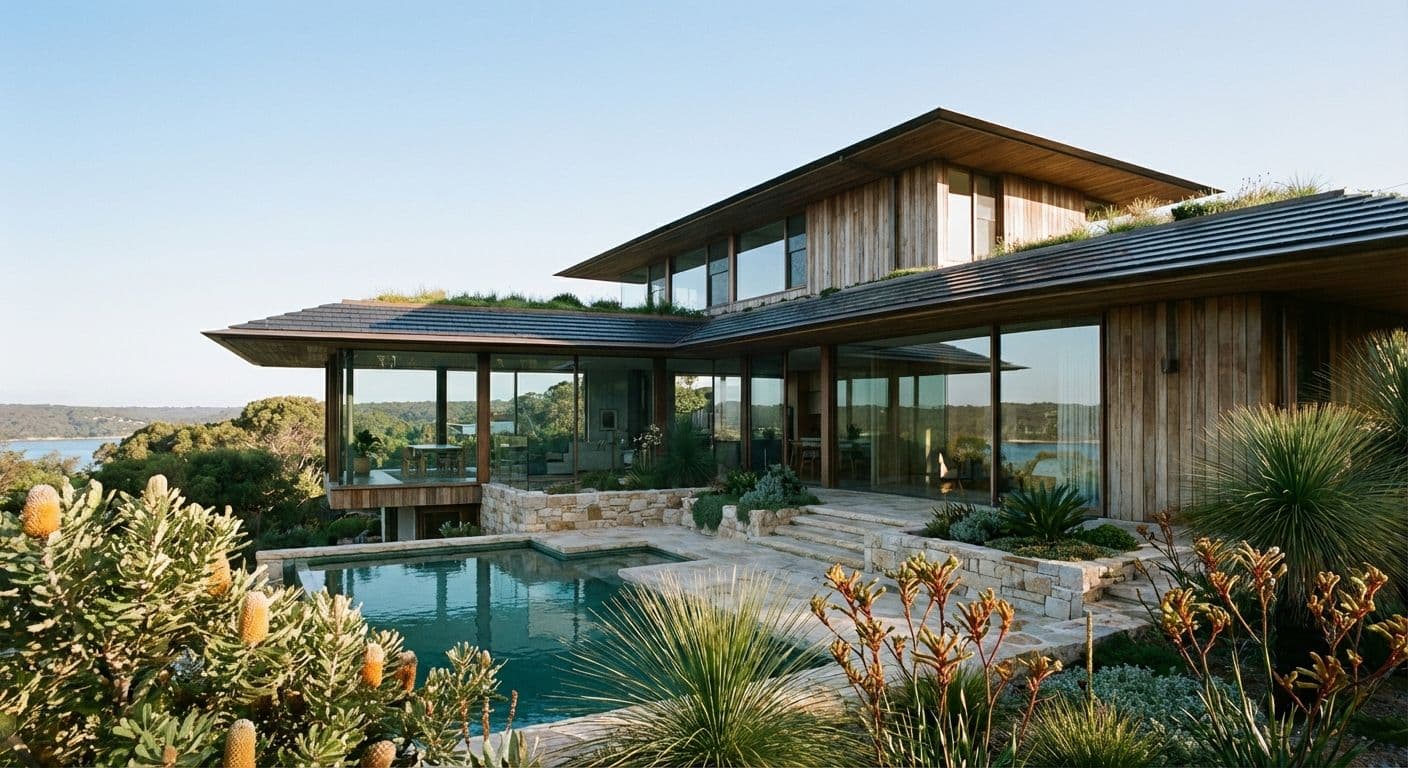
In the sophisticated world of Australian high-end real estate, the definition of 'replacement cost' has undergone a radical transformation. As we navigate 2026, the intersection of luxury architecture and stringent regulatory frameworks has created a complex landscape for property owners, insurers, and developers. No longer can a valuation be based solely on square-metre rates from previous years. Today, the luxury property valuation process must account for a suite of evolving building codes that prioritise sustainability, accessibility, and resilience over traditional aesthetic-only design.
The Shift to the National Construction Code (NCC) 2022 and Beyond
The Australian construction industry is currently operating under the full implementation of the NCC 2022, with further refinements introduced in the 2025 update. These changes are not merely incremental; they represent a fundamental shift in how homes are designed and built. For luxury assets, where bespoke designs often push the boundaries of standard engineering, the cost of meeting these mandates is significantly magnified.
Valuations in 2026 must now reflect the 'Modern Homes Agenda,' which focuses on two primary pillars: increased thermal performance and livable housing design. While these standards are mandatory for all new builds, the premium materials required to maintain a luxury finish while meeting these codes drive rebuild costs significantly higher than historical averages.
The 7-Star Energy Mandate
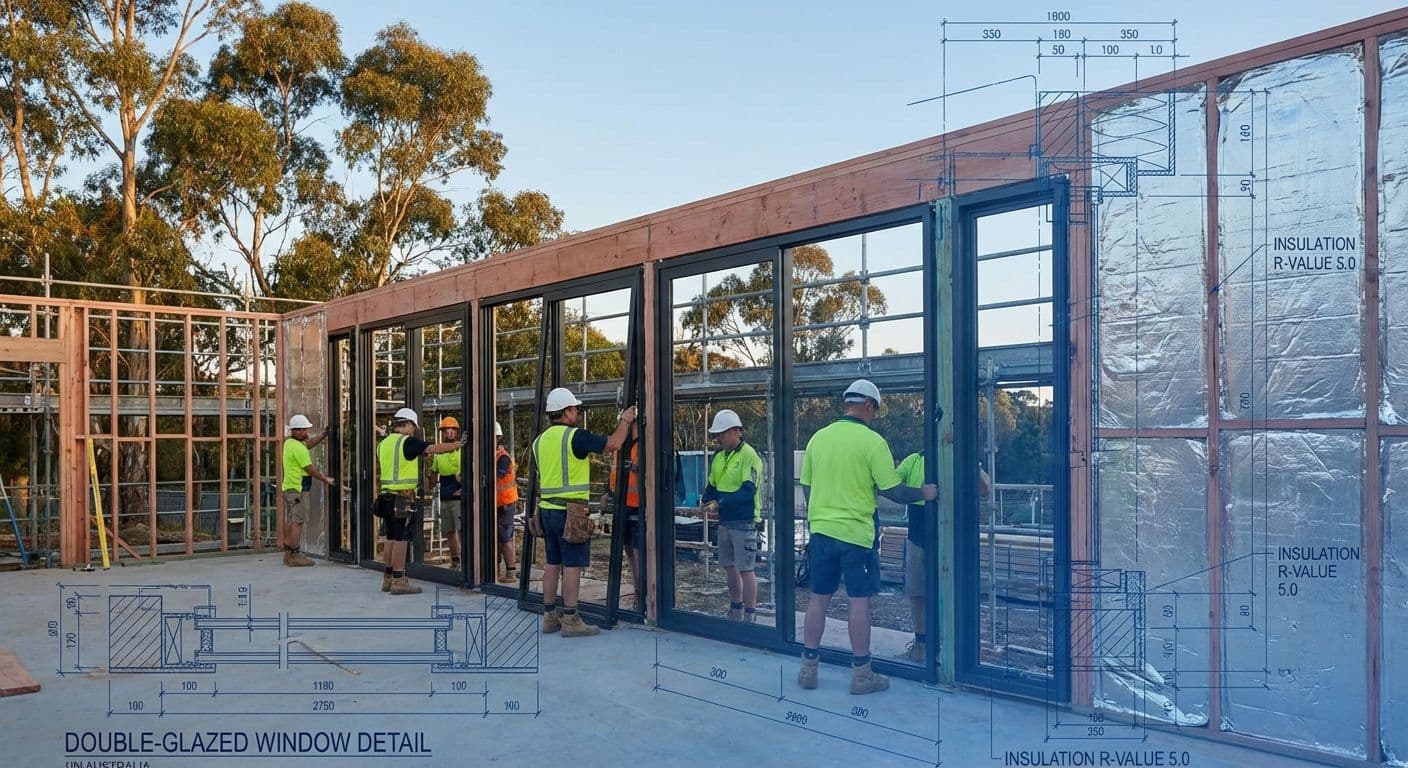
The transition from 6-star to 7-star NatHERS (Nationwide House Energy Rating Scheme) ratings has had a profound impact on luxury rebuilds. High-end homes typically feature expansive glazing—a hallmark of contemporary Australian design. To achieve 7 stars with significant glass areas, developers are forced to move away from standard double glazing toward high-performance, thermally broken systems or even triple glazing.
- Thermal Bridging: Requirements to mitigate heat transfer through steel frames, common in luxury architecture.
- Airtightness: Increased need for specialised membranes and mechanical ventilation systems (HRV).
- Bespoke Insulation: Higher R-value requirements that may necessitate thicker wall cavities, impacting usable floor space and structural design.
Livable Housing Design: Accessibility as a Standard
One of the most significant shifts in recent building codes is the Livable Housing Design (LHD) silver-level requirements. These mandates ensure that new homes are accessible to people with reduced mobility. In a luxury context, this often conflicts with minimalist design trends like recessed door tracks and narrow, sculptural staircases.
Complying with LHD involves wider hallways, specific bathroom reinforcements for future grab rails, and at least one step-free entry point. For a luxury rebuild on a sloping block—common in premium Sydney or Brisbane suburbs—the engineering required to provide a step-free entry can add tens of thousands of dollars in earthworks and structural modifications, which must be captured in any accurate valuation.
Bushfire Compliance (BAL) and Materiality
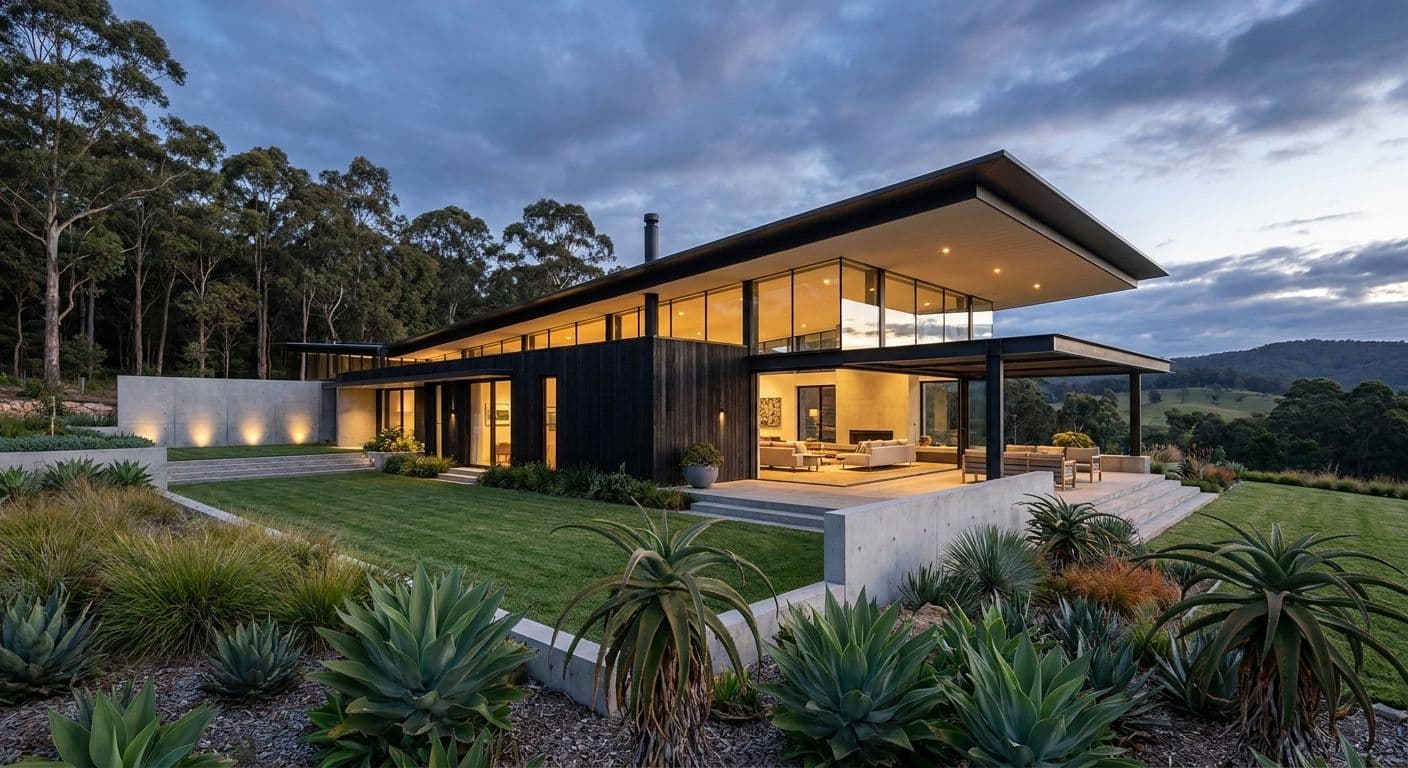
As urban sprawl meets the Australian bush, many luxury properties are situated in high Bushfire Attack Level (BAL) zones. The cost of compliance in these areas is non-negotiable. Rebuilding a luxury home in a BAL-40 or BAL-FZ (Flame Zone) area requires materials that are often at odds with traditional luxury finishes.
To maintain a premium aesthetic while meeting BAL-FZ standards, owners must invest in specialised fire shutters, non-combustible cladding that mimics timber, and toughened fire-rated glass. The valuation of such a property must reflect these 'hidden' costs, as the difference between a standard build and a BAL-compliant luxury build can exceed $2,500 per square metre in additional expenses.
The 'Compliance Premium' and the Risk of Underinsurance
The cumulative effect of these evolving codes is what experts call the 'Compliance Premium.' For luxury assets, this premium is particularly volatile. Many high-net-worth individuals are currently underinsured because their existing policies are based on valuations that precede the NCC 2022/2025 mandates.
A standard valuation might suggest a rebuild cost of $5 million based on 2021 standards. However, to rebuild that same home today to comply with 2026 codes—including solar mandates, EV charging readiness, and advanced thermal envelopes—the actual cost could easily reach $6.5 million. This 30% gap represents a significant financial risk.
Factors Driving Rebuild Inflation in 2026
- Specialised Labour: The demand for tradespeople skilled in installing high-performance European window systems or complex HRV units is high, driving up hourly rates.
- Consulting Fees: A luxury rebuild now requires a larger team of consultants, including ESD (Ecologically Sustainable Development) consultants, accessibility experts, and fire engineers.
- Debris Removal: Modern environmental regulations have increased the cost of disposing of construction waste, particularly for bespoke materials.
Future-Proofing Your Luxury Asset
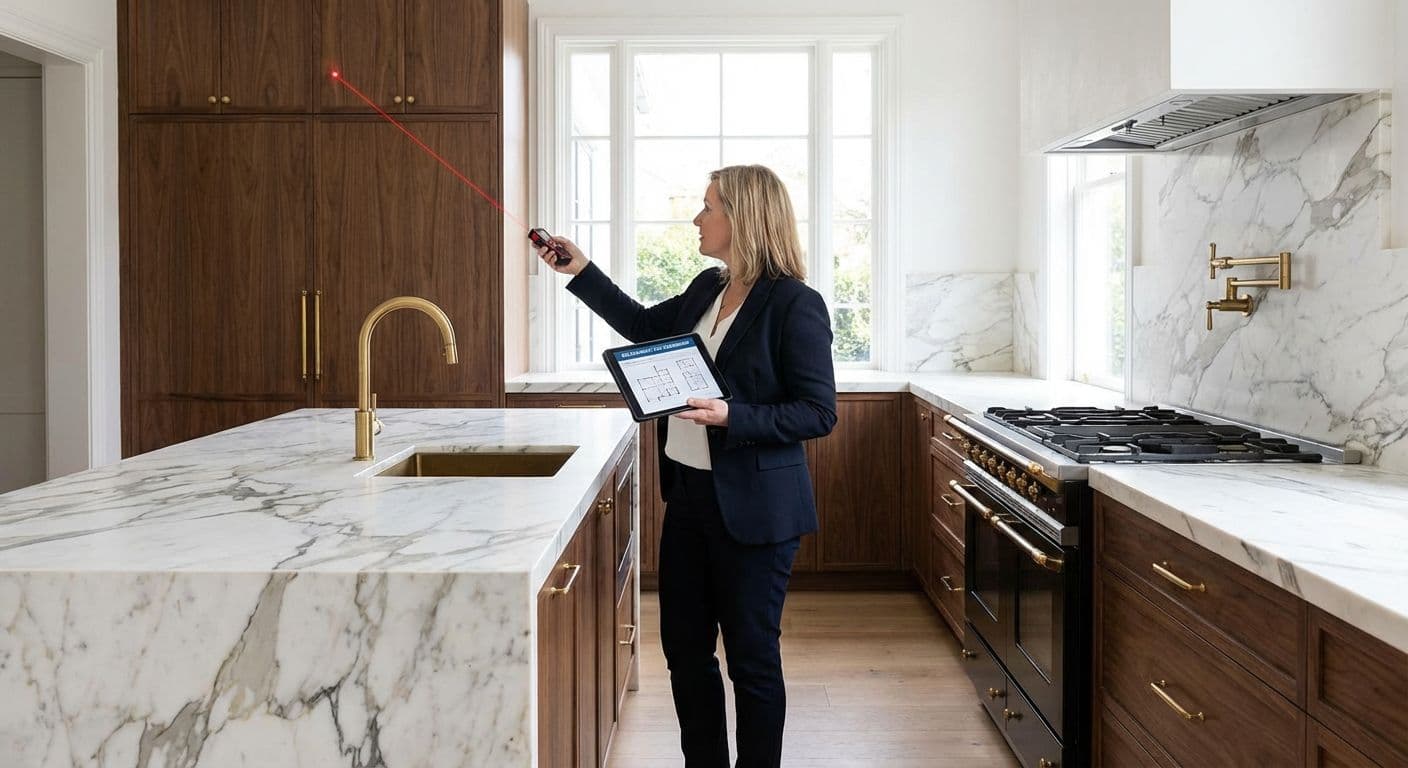
To ensure accurate valuations, owners of luxury properties should move away from automated valuation models (AVMs), which often fail to account for the nuances of high-end compliance. Instead, a comprehensive assessment by a specialist quantity surveyor or a high-end valuer is essential.
These professionals evaluate the 'elemental cost' of the building—breaking down the home into its core components and applying current market rates for both the bespoke finishes and the necessary compliance measures. This approach ensures that in the event of a total loss, the insurance payout is sufficient to rebuild a home that is not only equal in quality but fully compliant with the laws of the day.
Conclusion
The cost of compliance is an inescapable reality of the 2026 Australian property market. For the luxury sector, where innovation and design excellence are paramount, the impact of evolving building codes is even more pronounced. By understanding these regulatory shifts and ensuring that valuations reflect the true cost of modern construction, property owners can protect their investments and ensure their luxury retreats remain resilient, sustainable, and legally compliant for decades to come.
Frequently Asked Questions
How do the new NCC 2022 and 2025 updates affect luxury home insurance?
These updates introduce stricter energy efficiency and accessibility requirements. For luxury homes, this means replacement costs must now account for higher-grade insulation, high-performance glazing, and structural modifications, often increasing valuations by 15-25% compared to older standards.
What is the impact of a high Bushfire Attack Level (BAL) rating on rebuild costs?
A high BAL rating, particularly BAL-40 or BAL-FZ (Flame Zone), requires specialised non-combustible materials, fire-rated glazing, and specific roofing systems. In luxury builds, maintaining aesthetic standards while meeting these safety codes can add hundreds of thousands of dollars to the rebuild cost.
Why is market value different from rebuild valuation?
Market value is what a buyer will pay based on location and demand. Rebuild valuation is the actual cost to reconstruct the exact home from scratch, including current compliance costs, professional fees, and debris removal, which in 2026 often exceeds the market value due to high labour and material costs.
Related insights
Explore our cover

Andre LangHigh-value home insurance specialist
Andre Lang is a high-value home insurance specialist who advises owners of architecturally significant and high-net-worth Australian homes on protecting their property, fine art, and collections.