Jewellery Insurance
Australia
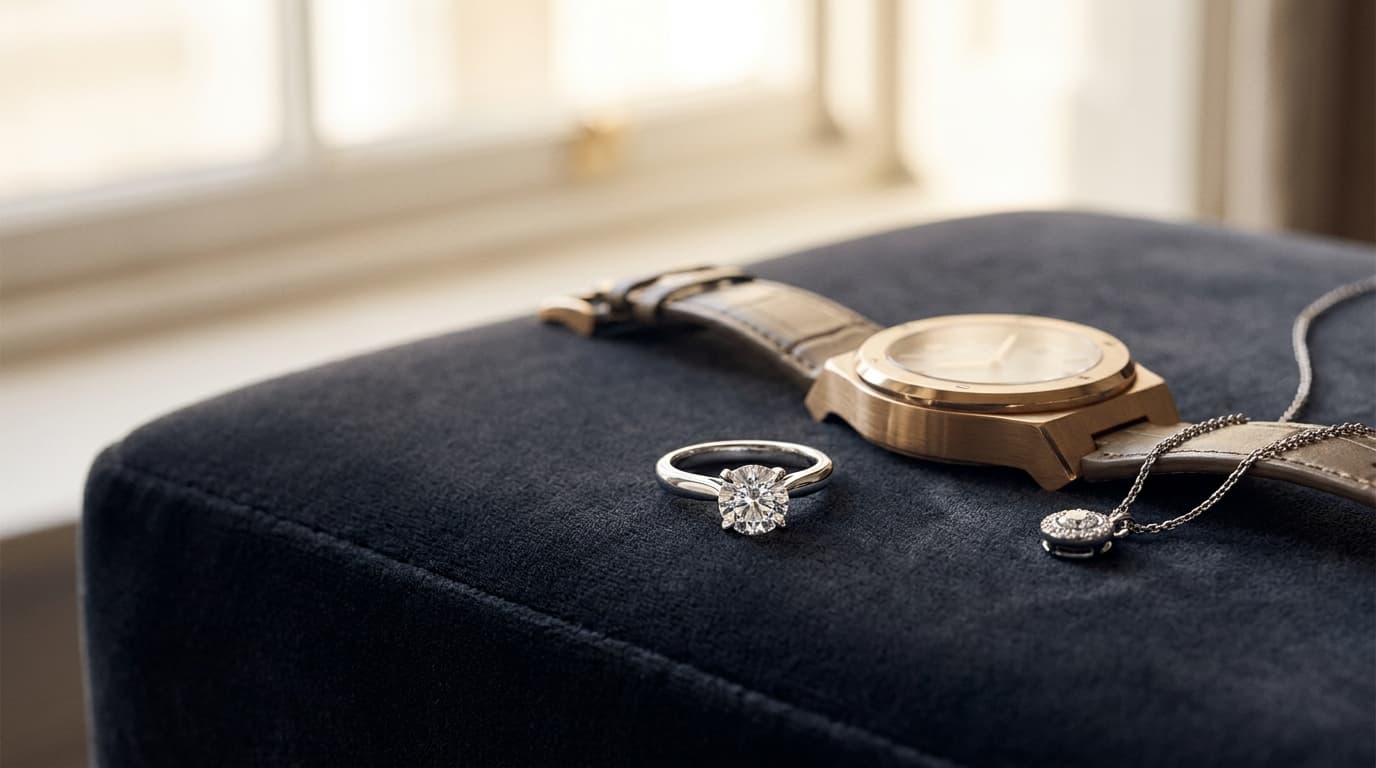
Specialist worldwide cover for engagement rings, luxury watches, inherited heirlooms, and precious collections -- with agreed value protection and claims handled by brokers who understand what your pieces truly mean.
Why Jewellery Requires Specialist Insurance
Jewellery needs specialist insurance because home contents policies usually cap individual items and limit cover away from home. A specialist jewellery policy insures each significant piece at an agreed value, with worldwide cover so engagement rings, watches and heirlooms are protected at home and while travelling. Accidental loss and damage are typically included as standard.
Standard home and contents policies typically limit jewellery cover to between $2,500 and $5,000 per item, with aggregate caps that can leave significant collections dangerously underinsured. For anyone who owns an engagement ring, a curated watch collection, or inherited pieces with sentimental and financial value, these limits are wholly inadequate. A single diamond solitaire can exceed a standard policy's entire unspecified jewellery allowance.
Specialist jewellery insurance addresses these shortfalls with policies specifically designed for precious items. Unlike contents insurance, which reimburses at depreciated market value, a properly structured jewellery policy can provide agreed value coverage -- meaning the insurer and policyholder agree on the replacement value at inception, and that amount is paid in full upon a valid claim with no depreciation applied.
At Luxury Cover, we work with insurers who understand the nuances of precious items. Whether you are insuring a single engagement ring or a collection spanning antique brooches, contemporary diamonds, and Swiss timepieces, our brokers structure cover that reflects the true replacement cost and the specific risks your pieces face -- from accidental damage at home to theft while travelling overseas.
Our approach begins with understanding your collection. We review current valuations, identify gaps in existing cover, and recommend policy structures that protect your jewellery worldwide without the restrictive conditions found in standard policies. Every recommendation is backed by our knowledge of the specialist insurer market and our commitment to placing cover that will respond when you need it most.
- Agreed value coverage eliminates disputes over replacement cost at claim time
- Worldwide unspecified cover protects your jewellery anywhere in the world, not just at home
- No excess options available on many policies for high-value collections
- Cover for accidental damage, theft, loss, and mysterious disappearance
- Specialist claims handling by assessors who understand gemstone grading, watchmaking, and precious metals
The Real Cost of Underinsuring Your Jewellery
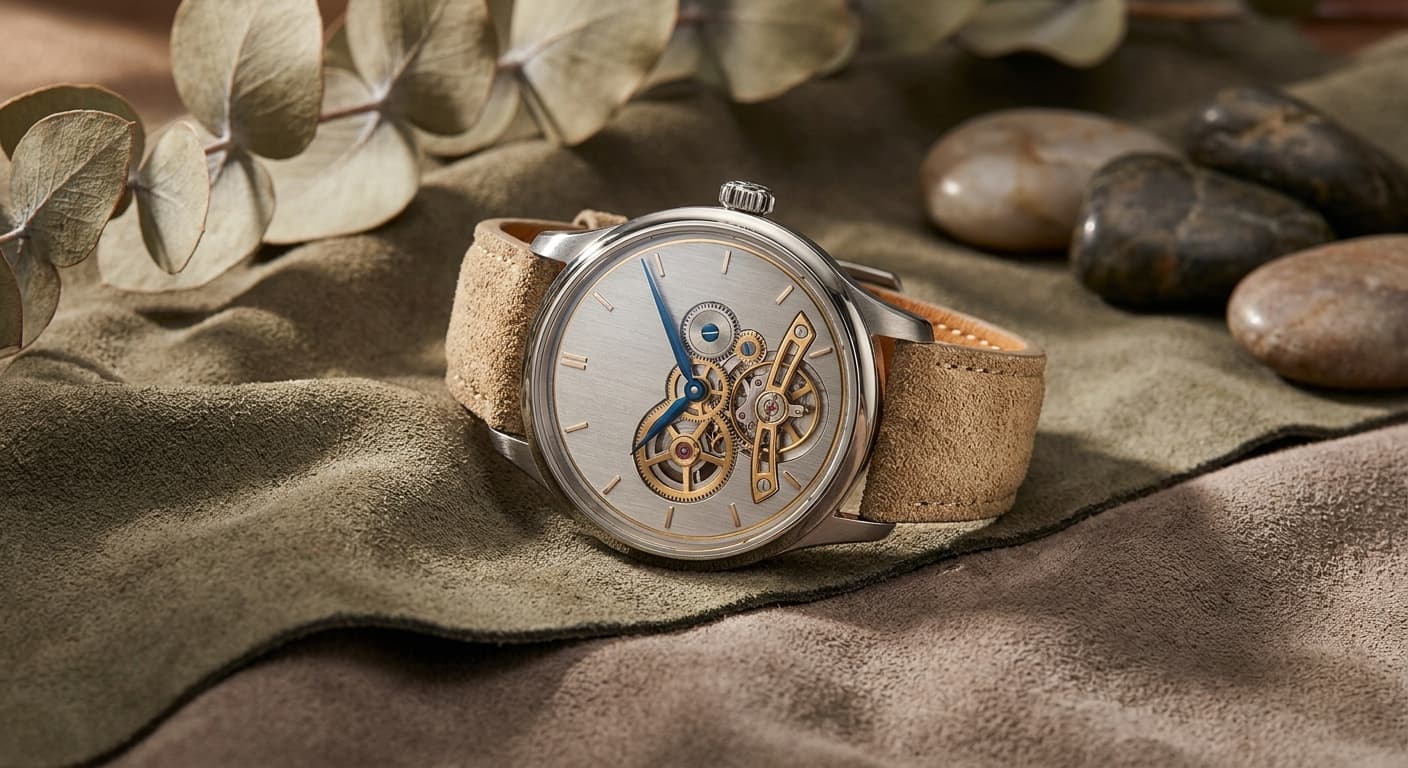
Jewellery values move with gold, diamond and watch markets, so a valuation from years ago often understates today's replacement cost. If a piece is underinsured, a settlement may not fund an equivalent replacement. Regular professional valuations and agreed-value cover keep your jewellery insured for what it would actually cost to replace today.
Jewellery is one of the most commonly underinsured asset classes in Australia. The gap between what people believe their jewellery is worth and what their policy will actually pay out is often substantial. A valuation conducted five years ago may bear little resemblance to today's replacement cost, particularly for diamonds and coloured gemstones where market prices have moved significantly. Gold alone has more than doubled in value over the past decade, yet many policyholders have not updated their sums insured.
The consequences of underinsurance become painfully apparent at claim time. If your engagement ring was valued at $15,000 when you purchased it but now costs $28,000 to replace with an equivalent stone and setting, a standard policy paying market value or applying average clauses will leave you substantially out of pocket. Agreed value policies, properly maintained with regular valuations, remove this risk entirely.
Beyond financial exposure, the wrong policy can impose conditions that render cover almost meaningless. Some standard policies exclude jewellery worn away from home, refuse claims where items were left in a hotel room, or require jewellery to be stored in a safe when not worn. Specialist jewellery insurance is designed with the understanding that jewellery is meant to be worn and enjoyed, not locked away.
There is also the question of inherited and antique jewellery, which presents unique challenges. These pieces often have provenance and craftsmanship that cannot be replicated by modern jewellers. A specialist policy can be structured to account for both the intrinsic material value and the additional cost of sourcing or commissioning a comparable period piece, ensuring you are not left with a mass-produced replacement for a handcrafted Art Deco brooch.
- Average clauses in standard policies can reduce payouts by the proportion of underinsurance
- Valuations should be updated every two to three years, or annually for items sensitive to commodity prices
- Inherited pieces often require specialist valuation that accounts for provenance, period, and craftsmanship
- Travel exclusions in standard policies leave jewellery unprotected when the risk of theft is highest
- Specialist policies cover pairs and sets, so damage to one earring can trigger replacement of the pair
What Your Jewellery Policy Covers
Worldwide Unspecified Cover
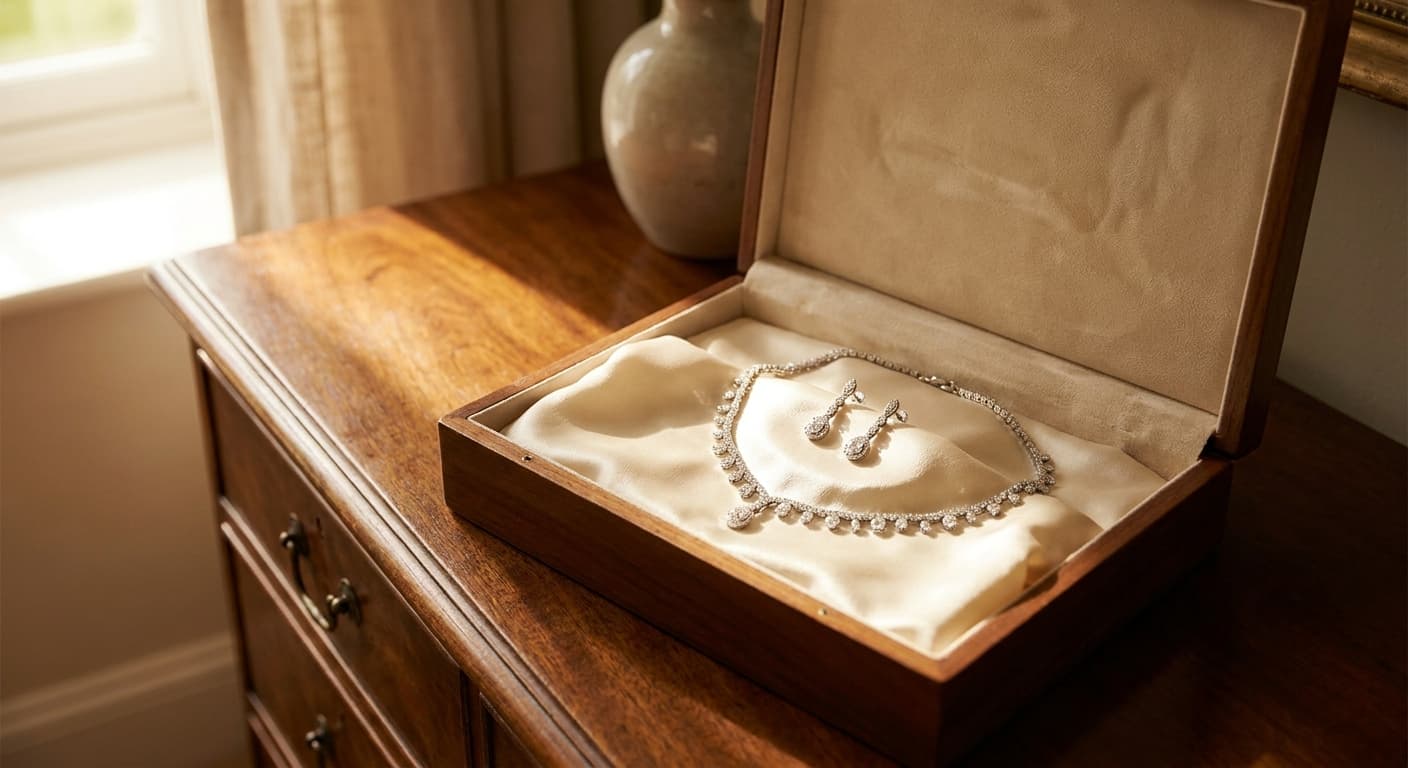
Your jewellery is protected wherever you go -- at home, at work, travelling domestically, or overseas. Unlike standard home insurance that may limit cover to your residence, specialist jewellery insurance follows your pieces around the world. This includes cover while jewellery is being worn, stored in a hotel safe, or even temporarily removed at a gym or medical appointment. For pieces above specified thresholds, individual listing with current valuations ensures each item is covered for its full agreed replacement value.
Agreed Value Protection
Agreed value is the cornerstone of proper jewellery insurance. At policy inception or renewal, you provide a current valuation from a qualified valuer, and the insurer agrees to pay that amount in the event of a total loss. There is no depreciation, no argument over replacement cost, and no average clause reducing your payout. This is particularly important for items that appreciate in value, such as coloured gemstones, vintage watches, and pieces by recognised designers or houses like Cartier, Tiffany, or Van Cleef & Arpels.
Accidental Damage and Loss
Specialist policies cover the full spectrum of risks that jewellery faces in everyday life. This includes accidental damage such as a stone falling from its setting, a watch crystal cracking after a knock, or a chain snapping. Many policies also extend to cover mysterious disappearance -- where an item cannot be found but there is no evidence of theft. This is a critical distinction from standard policies, which typically require evidence of forcible entry or a police report to process a theft claim.
Watches and Timepieces
Luxury watches present distinct insurance considerations. Mechanical movements are susceptible to damage from impacts and magnetism, while the secondhand market for brands like Rolex, Patek Philippe, and Audemars Piguet means replacement costs can exceed original purchase prices. Our specialist policies cover mechanical breakdown where caused by an insured event, protect against theft from the wrist, and can be structured to reflect current market values rather than original purchase prices. We also arrange cover for watches stored in winders or safes, and pieces being serviced by authorised workshops.
How We Protect You
Collection Assessment
We begin with a detailed conversation about your jewellery and watches. Our brokers ask about the number of pieces, approximate values, how frequently items are worn, whether you travel with them, and how they are stored at home. This allows us to understand the risk profile and recommend the most appropriate policy structure, whether that is a standalone jewellery policy, a valuable articles extension, or coverage within a broader high-net-worth home and contents programme.
Valuation Guidance
Current valuations are essential for agreed value cover. We advise on the type of valuation required -- replacement value for insurance purposes, which differs from retail price or resale value -- and can recommend qualified valuers experienced with fine jewellery, antique pieces, and luxury timepieces. For large collections, we coordinate the valuation process to ensure it is efficient and that the resulting documentation meets insurer requirements.
Policy Placement
With valuations in hand, we approach the specialist insurer market to obtain terms tailored to your collection. We compare policy wordings, not just premiums, to ensure the cover responds in the scenarios that matter. Key considerations include excess levels, storage requirements, geographical limits, and whether the policy covers pairs and sets. We present our recommendation with a clear explanation of what is and is not covered, so you can make an informed decision.
Ongoing Management
Jewellery collections evolve. New pieces are acquired, inherited items are received, and values change with commodity markets and demand. We proactively remind you when valuations are due for renewal, adjust your policy when pieces are added or removed, and ensure your cover remains adequate as your collection grows. In the event of a claim, our brokers manage the process from initial notification through to settlement, liaising with loss adjusters and ensuring you receive the full benefit of your agreed value cover.
Frequently Asked Questions
How often should I have my jewellery revalued for insurance?
We recommend having your jewellery professionally revalued every two to three years as a general rule. However, items particularly sensitive to commodity price movements -- such as gold jewellery, diamond pieces, and luxury watches -- may warrant annual revaluation. The cost of a revaluation is modest compared to the financial risk of being underinsured. Your valuation should reflect the full retail replacement cost, including GST, of acquiring an equivalent item from a comparable retailer. We can recommend qualified valuers in your area who specialise in insurance replacement valuations.
What happens if my jewellery is stolen while I am travelling overseas?
Under a specialist jewellery policy with worldwide unspecified cover, theft overseas is treated the same as theft at home. You should report the theft to local police as soon as practicable and obtain a police report or reference number. Contact our office, and we will guide you through the claims process. The policy pays the agreed value of the stolen item, regardless of where in the world the theft occurred. Some policies may have specific requirements around storage in hotel rooms -- for instance, requiring items over a certain value to be placed in the hotel safe when not being worn -- and we will ensure you understand these conditions before you travel.
Can I insure inherited jewellery that I do not have a receipt for?
Absolutely. Inherited jewellery is insured based on a current professional valuation, not the original purchase price. A qualified valuer will assess the piece based on its materials, gemstones, craftsmanship, condition, and any provenance or maker's marks. For antique or period pieces, the valuation should reflect the cost of sourcing or commissioning a comparable item, which can be significantly higher than the intrinsic material value. We regularly arrange cover for inherited collections and can guide you through the valuation process, including recommending valuers with expertise in antique and estate jewellery.
What is the difference between specified and unspecified jewellery cover?
Specified cover means individual items are listed on your policy with their own agreed values and descriptions. Unspecified cover provides a blanket sum insured for items below a certain value threshold without listing each one individually. Most specialist policies use a combination: high-value pieces above the policy's automatic inclusion limit (often $5,000 to $10,000 per item) are individually specified with valuations, while items below this threshold are covered under an unspecified blanket amount. This approach keeps the policy manageable while ensuring your most valuable pieces have guaranteed agreed value protection.
Does jewellery insurance cover accidental damage, or only theft?
Specialist jewellery insurance covers a broad range of perils well beyond theft alone. Standard covered events include accidental damage (such as a prong breaking and a stone being lost, or a watch crystal cracking), theft, burglary, fire, and flood. Many policies also cover mysterious disappearance, where an item goes missing without any evidence of how it was lost. Importantly, cover extends to damage that occurs while the jewellery is being worn -- a common exclusion in basic home contents policies. The policy will typically pay for repair if the item can be restored to its pre-loss condition, or the full agreed value if the item is a total loss or cannot be satisfactorily repaired.
Explore Our Solutions
Jewellery Insurance Calculator
Estimate the annual premium to insure your jewellery and luxury watches in seconds. Add your engagement ring, watches and precious pieces for an indicative figure.
Fine Art Insurance
Protect your private art collection with specialist policies covering transit, exhibition, and restoration. Agreed value cover for paintings, sculptures, and contemporary works.
Luxury Home Insurance
Comprehensive coverage for properties over $3M, including bespoke rebuilding costs, landscaping, and ancillary structures. Policies tailored to the unique risks of high-value residences.
Protect What Matters Most
Let our senior licensed brokers conduct a comprehensive review of your high-value assets and provide a bespoke insurance solution.