The Green Gold Standard: Insuring High-Value Sustainable Technology in Eco-Luxury Builds

By Andre Lang · High-value home insurance specialist
Last updated 10 January 2026
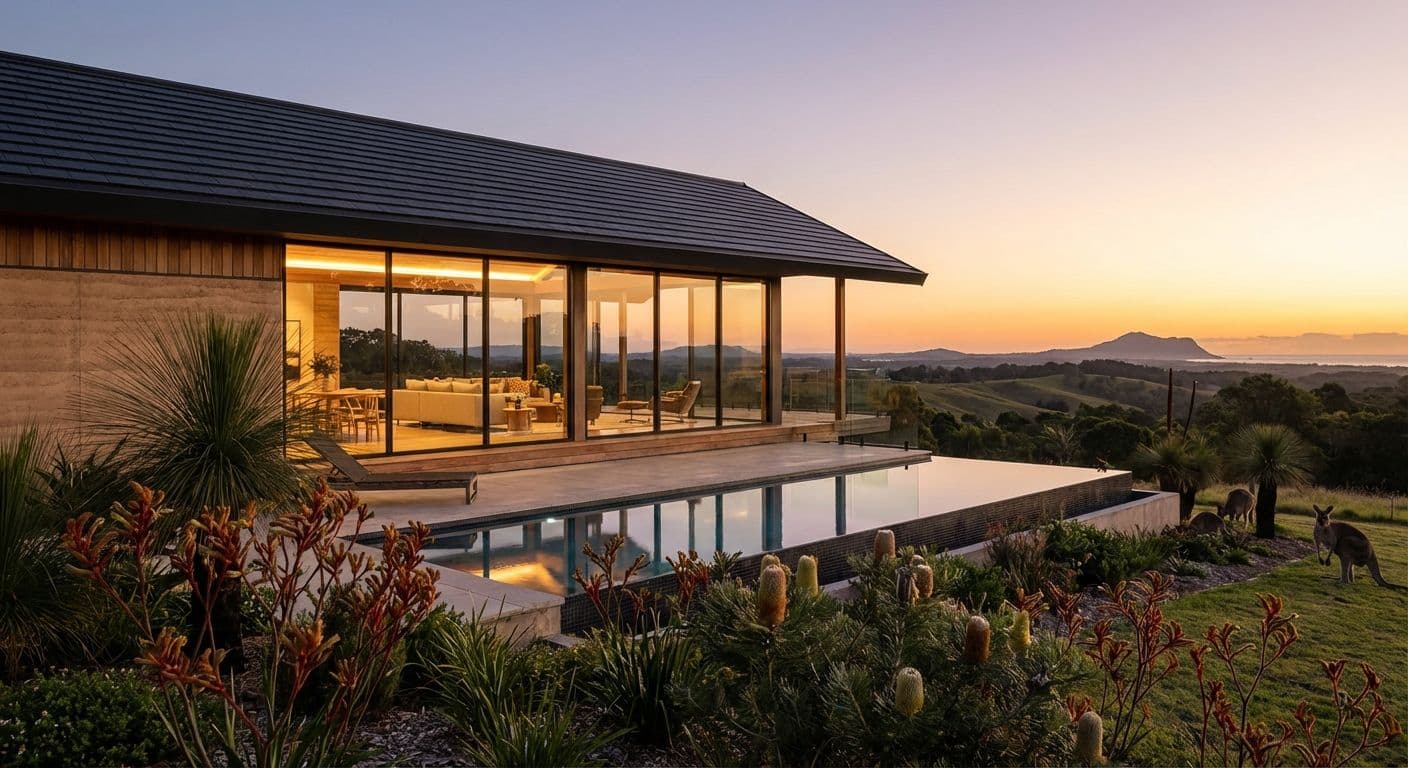
The landscape of Australian luxury real estate has undergone a tectonic shift in 2026. High-net-worth individuals are no longer just looking for prestigious postcodes in Sydney’s Eastern Suburbs or Melbourne’s Toorak; they are demanding 'Eco-Luxury'—residences that marry opulent design with cutting-edge, sustainable autonomy. However, as these homes move off-grid or integrate seamless 'Green Gold' technologies, they outpace the capabilities of standard home insurance policies.
The Anatomy of the 2026 Eco-Luxury Build
In the current market, a sustainable home is defined by more than just double glazing and a few solar panels. Today’s eco-luxury builds are sophisticated machines. Key components often include:
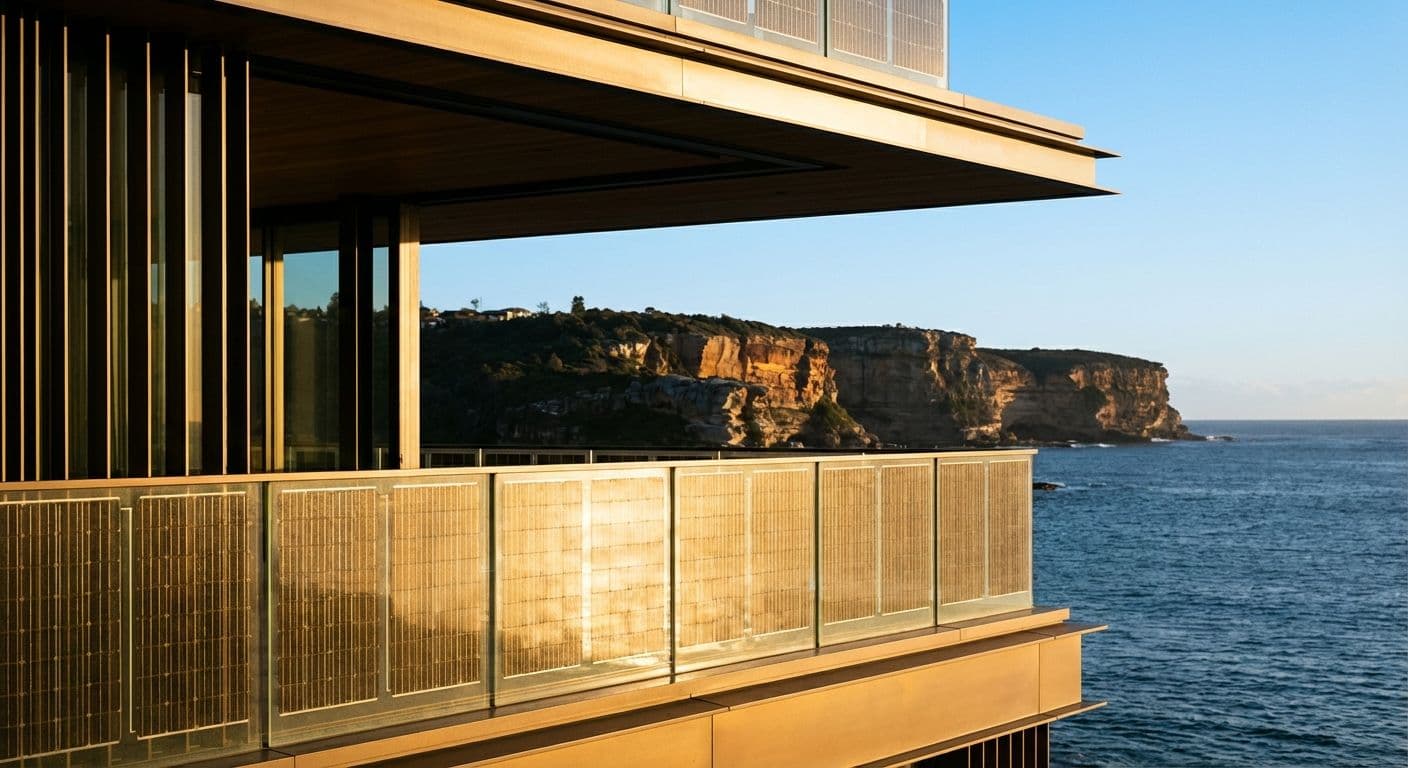
- Building-Integrated Photovoltaics (BIPV): Solar cells embedded directly into roof tiles, facades, or window glass, maintaining aesthetic purity while generating megawatts of power.
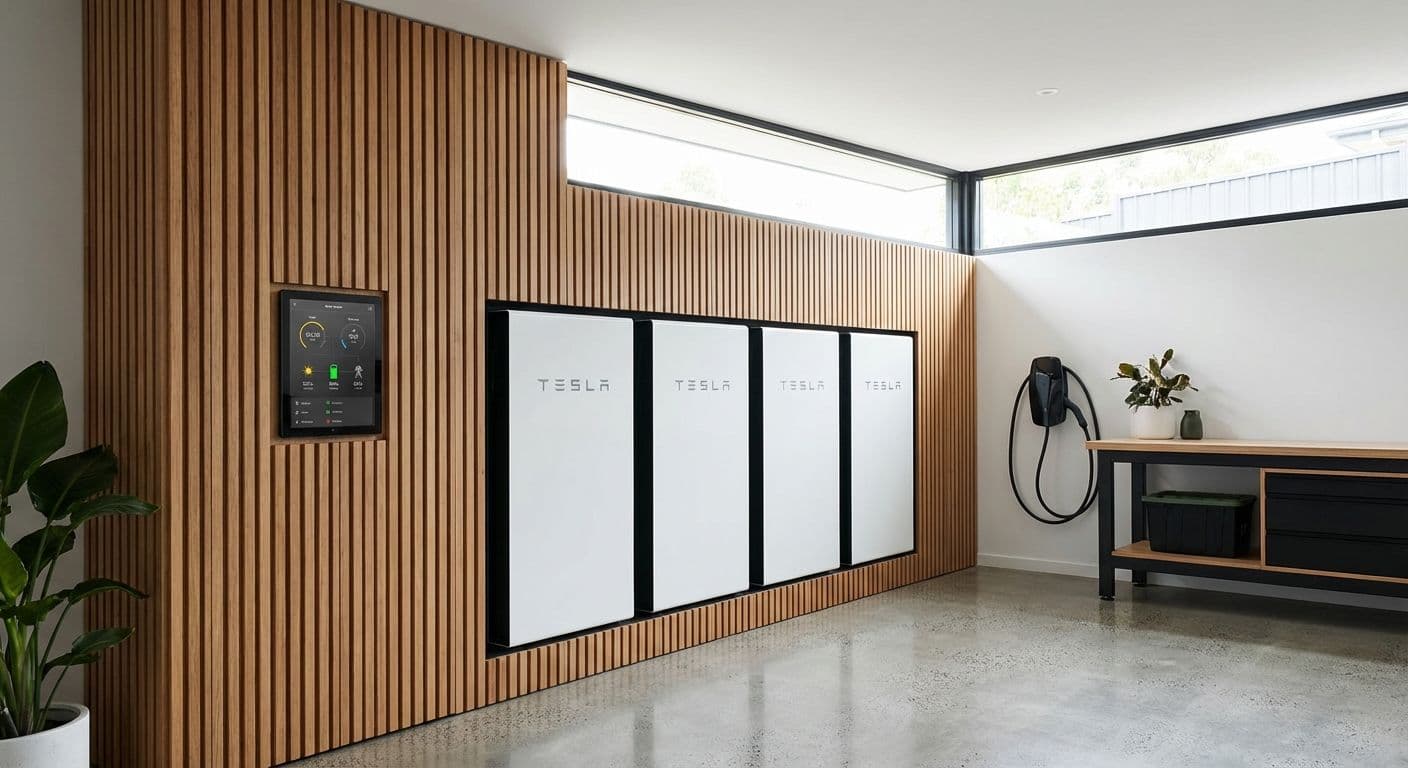
- Advanced Energy Storage Systems (ESS): High-capacity lithium or flow-battery banks that allow for complete grid independence.
- Greywater Micro-Plants: Industrial-grade filtration systems that recycle water for use in complex vertical gardens and landscaping.
- Passive House Plus Certification: Construction methods that require specialized airtight membranes and Heat Recovery Ventilation (HRV) systems.
These technologies represent a significant capital investment, often adding 25% to 40% to the total construction cost. Insuring these assets requires a move away from 'off-the-shelf' coverage toward bespoke, high-value asset management.
Why Standard Policies Fall Short
The primary issue with mass-market insurance is the 'Total Sum Insured' calculation. Most online calculators use generic square-meterage rates that fail to account for the specialized labor and rare materials required in an eco-luxury build. If a fire damages a BIPV roof, a standard insurer might only pay for basic terracotta tiles, leaving the homeowner with a six-figure shortfall to restore the home's energy-generating capacity.
Furthermore, traditional policies often lack 'Environmental Upgrade' clauses. In 2026, Australian building codes have become more stringent. If a partial loss occurs, your insurance must cover not just the repair, but the cost of bringing the entire structure up to the latest sustainable standards, which may include new insulation requirements or advanced fire-resistant eco-cladding.
Risk Profiles: Navigating the Challenges of High-Tech Sustainability
While sustainable technology reduces a home’s carbon footprint, it can introduce unique risk profiles that insurers are now pricing into their models. Awareness of these factors is critical for the eco-luxury homeowner.
1. Thermal Runaway and Battery Safety
As battery densities increase, the risk of thermal runaway—though rare in high-end systems—remains a concern. Insurers in 2026 are looking for homes equipped with AI-driven monitoring systems that can detect heat anomalies before they escalate. Proper placement of storage units, ideally in fire-rated enclosures or separate structures, can significantly lower premiums.
2. Supply Chain and Specialized Labor
Eco-luxury builds often utilize proprietary technology from European or North American manufacturers. In the event of a claim, the lead time for replacement parts can be months. High-value policies should include 'Extended Loss of Use' coverage to provide luxury alternative accommodation while these specialized components are sourced and installed by certified technicians.
Key Policy Features for the Sustainable Estate
When reviewing a policy for a high-value sustainable build in Australia, ensure these three specific 'Green Gold' protections are present:
- Agreed Value for Specialized Plant: Ensure that energy systems, microgrids, and water recycling plants are listed as individual assets with an agreed replacement value, rather than bundled into general contents.
- Net Excess Generation Protection: If your home operates as part of a Virtual Power Plant (VPP) and generates revenue, your policy should cover the loss of that income if the system is offline due to a covered peril.
- Cyber-Physical Coverage: As smart-home systems control environmental locks and energy distribution, they become targets for cyber-attacks. Modern luxury policies should cover 'Cyber-Extortion' or 'System Restoration' for your home's OS.
The Role of Valuation in 2026
In 2026, the 'market value' of an eco-luxury home is increasingly decoupled from its 'rebuild cost.' While a home in Mosman might sell for $20 million, the cost to rebuild its specialized sustainable infrastructure—utilizing carbon-neutral concrete and recycled Australian hardwoods—might exceed $25 million. Professional valuations from quantity surveyors who specialize in sustainable architecture are no longer optional; they are a prerequisite for adequate coverage.
Future-Proofing Your Investment
Protecting a high-value sustainable home requires a proactive partnership between the owner and the insurer. By maintaining meticulous records of system installations, software updates, and professional servicing, homeowners can demonstrate a lower risk profile. In the world of eco-luxury, sustainability is the new gold standard—and insuring it correctly is the only way to ensure that gold doesn't lose its luster.
Frequently Asked Questions
What is the 'Green Rebuild' clause in high-value home insurance?
A Green Rebuild clause allows the homeowner to replace damaged property with more sustainable, energy-efficient alternatives, even if they cost more than the original materials. In 2026, this is essential for homes looking to maintain their 7-star or higher NatHERS rating after a loss.
How does battery storage affect my home insurance premium in Australia?
While batteries increase the home's value, they also introduce specific risks like thermal runaway. Insurers may require proof of professional installation to Australian Standards (AS/NZS 5139) and regular maintenance. Properly declared, they are fully covered, but premiums reflect the high replacement cost.
Can I insure my home as a 'Virtual Power Plant' (VPP)?
If your eco-luxury build participates in a VPP, you may need specialized coverage for 'Business Interruption' or 'Loss of Income' if your system fails and you can no longer export energy or receive grid-service credits, alongside standard physical asset protection.
Related insights
Explore our cover

Andre LangHigh-value home insurance specialist
Andre Lang is a high-value home insurance specialist who advises owners of architecturally significant and high-net-worth Australian homes on protecting their property, fine art, and collections.