Heritage-Listed Elegance: The Cost of Authenticity in Restoring Historic Mansions

By Andre Lang · High-value home insurance specialist
Last updated 9 January 2026
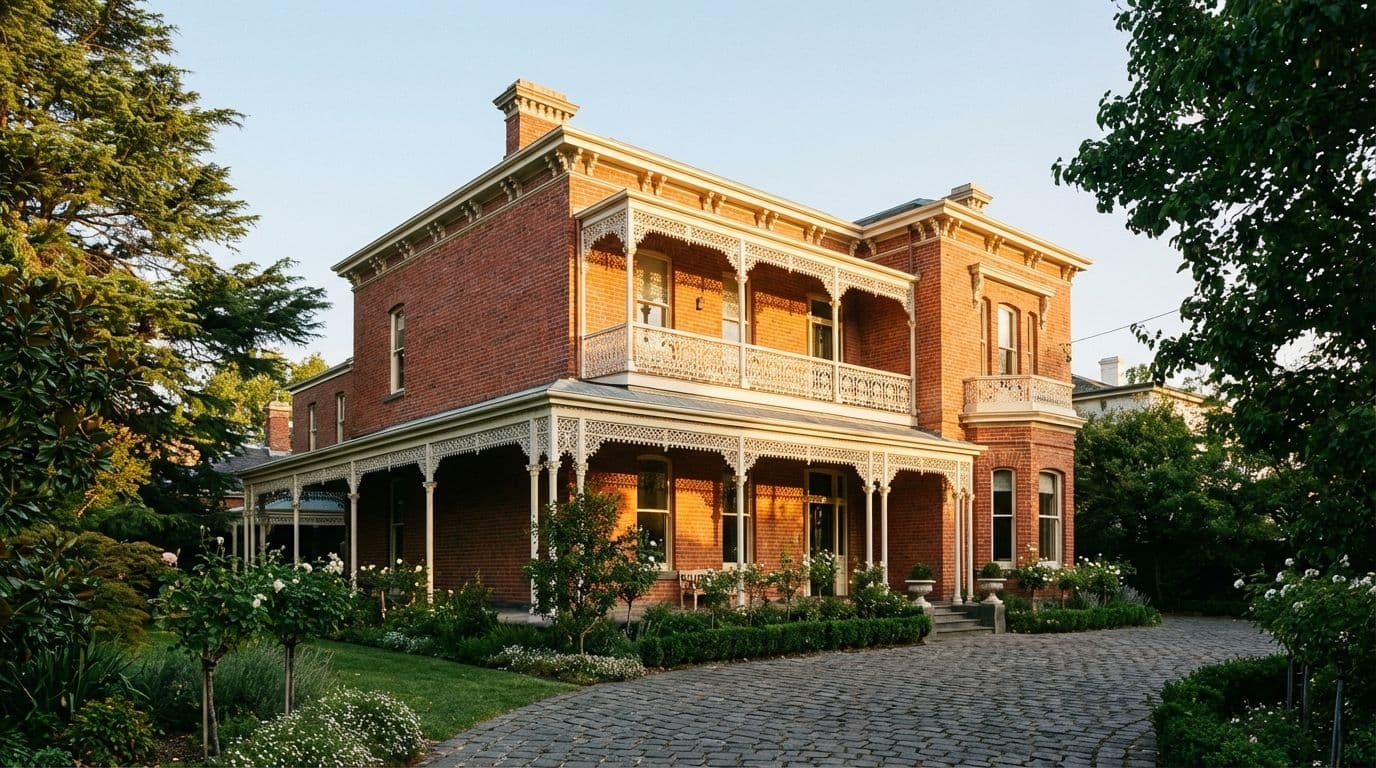
For the discerning homeowner, an Australian heritage-listed mansion represents more than just a residence; it is a custodial responsibility. Whether it is a grand Victorian Italianate in Melbourne’s Toorak or a sprawling Federation Filigree estate in Sydney’s Wahroonga, these properties offer a level of craftsmanship and soul that modern builds simply cannot replicate. However, the path to preserving this elegance is paved with complex regulations, rare materials, and significant financial investment.
Restoring a heritage asset to its former glory requires a delicate balance between 'authenticity'—using period-correct techniques and materials—and 'habitability'—ensuring the home meets 21st-century standards of comfort and efficiency. This guide explores the multifaceted costs and requirements of bringing a piece of Australian history back to life.
Understanding the Heritage Regulatory Landscape
Before a single brick is laid, the restoration of a historic mansion is governed by a stringent legal framework. In Australia, heritage listing occurs at three levels: Local, State, and National. Most historic mansions fall under Local Environmental Plans (LEPs) or State Heritage Registers.
The primary document guiding these restorations is the **Burra Charter**. This set of principles defines the best practice for conserving heritage places. It emphasizes 'doing as much as necessary, but as little as possible' to preserve the cultural significance of the site. For owners, this means that any proposed changes must undergo a rigorous Heritage Impact Statement (HIS) process to ensure that the building's 'spirit of place' is not compromised.
The Financial Pillars of Authentic Restoration
The 'Heritage Premium' is a well-known reality in the construction industry. While a standard renovation might focus on aesthetics, a heritage restoration focuses on forensics. The costs can be categorized into three main pillars: Materials, Artisans, and Compliance.
1. Rare and Bespoke Materials
Authenticity demands the use of materials that are often no longer in mass production. For example:
- Slate Roofing: Sourcing Welsh slate or high-quality Canadian equivalents to replace weathered tiles on a Victorian mansion can cost five times more than modern concrete tiles.
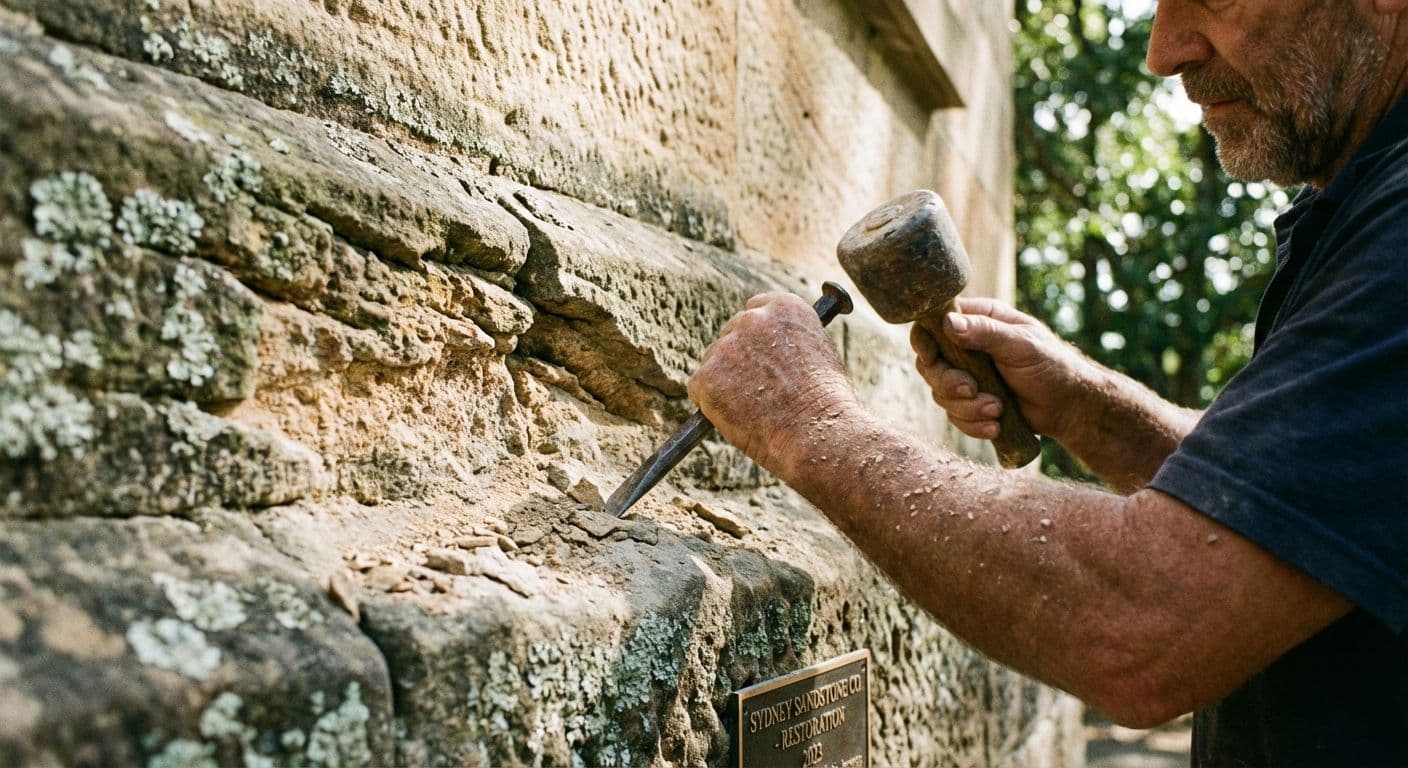
- Lime Mortar: Using modern Portland cement on historic sandstone or brickwork is a catastrophic mistake. It traps moisture and causes the stone to crumble (spalling). Authentic lime mortar must be used, which requires specific mixing and curing conditions.
- Australian Hardwoods: Replacing rotted veranda posts or floorboards often requires ethically sourced Jarrah, Spotted Gum, or Cedar, which carry a significant price premium.
2. The Scarcity of Specialist Trades
The tradespeople capable of performing authentic heritage work are few and far between. You are not just hiring a painter; you are hiring a decorative artist who understands wood graining, stenciling, and gold leaf application. You are not just hiring a bricklayer; you are hiring a tuckpointer.
In Australia, the hourly rate for a heritage-certified stonemason or leadlight glazier can be 50% to 100% higher than a general contractor. Their expertise is essential not just for the finish, but for the longevity of the structure.
Hidden Structural Challenges and Modern Compliance
Historic mansions were built before modern Building Codes of Australia (BCA) existed. When you undertake a significant restoration, you often trigger a requirement to bring certain elements up to modern safety standards. This can lead to unforeseen costs.
- Foundation Stabilization: Many older mansions sit on reactive clay with shallow footings. Underpinning a grand estate to prevent cracking is a major engineering feat.
- Hazardous Materials: Lead paint and asbestos were staples of early 20th-century construction and renovations. Safe removal by certified specialists is non-negotiable and expensive.
- Electrical & Fire Safety: Rewiring a mansion with double-brick walls and ornate plaster ceilings without damaging original cornices requires extreme care and creative routing.
Integrating Modern Luxury: The Invisible Tech
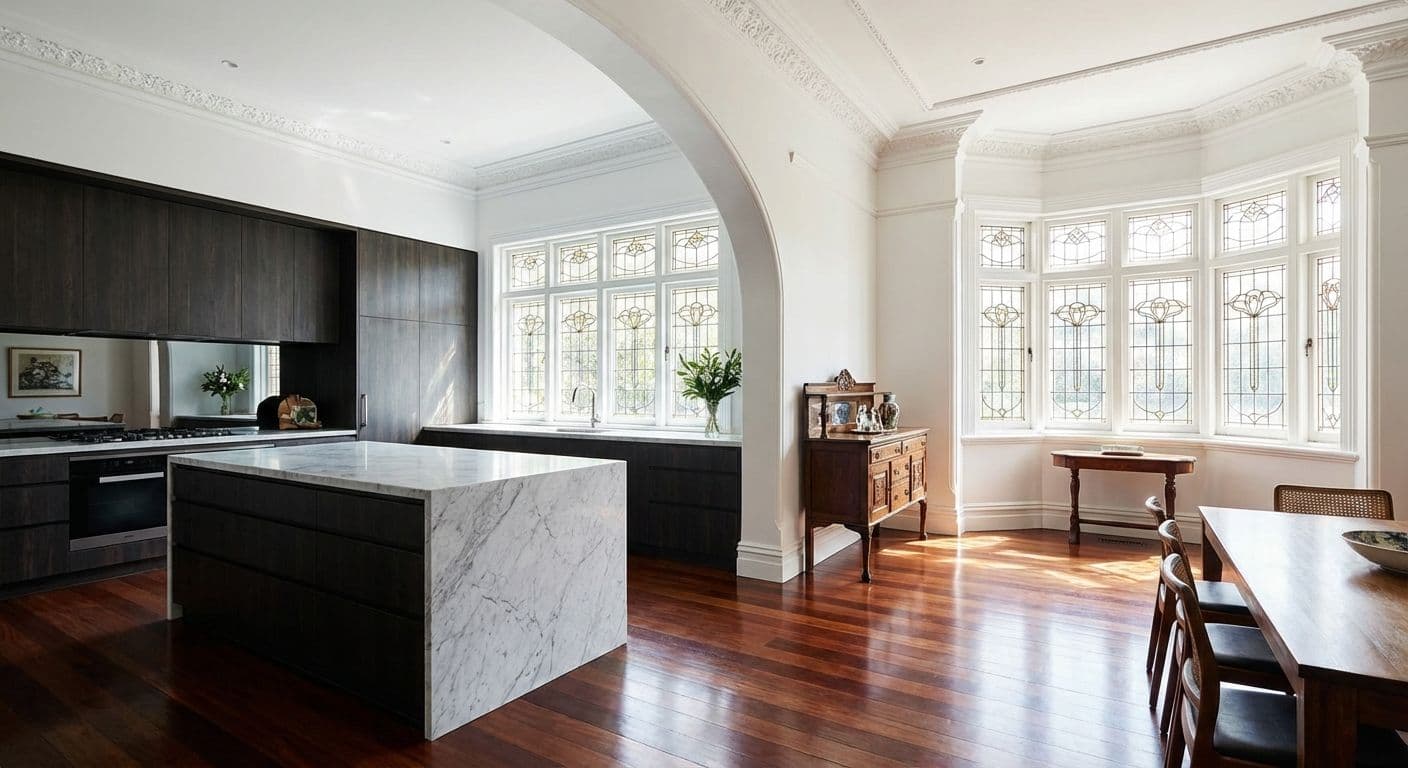
The greatest challenge in restoring a historic mansion is integrating modern HVAC, smart home technology, and high-end kitchens without disrupting the visual narrative. In a luxury context, this usually means 'invisible' integration.
Concealed ducted air conditioning often requires custom-built bulkheads or the use of existing floor vents and chimneys. High-speed data cabling must be threaded through floor joists, and home automation switches are often custom-fitted into period-style brass plates. This level of detail ensures the home functions as a modern luxury residence while looking like a preserved time capsule.
Is the Investment Worth It? ROI and Heritage Value
While the costs are higher, the return on investment for an authentically restored mansion is often superior to that of a new build. Heritage properties are inherently limited in supply. As the 'missing middle' of our cities becomes more homogeneous, the scarcity of a perfectly preserved Victorian or Federation estate drives significant capital growth.
Furthermore, there is a prestige factor. An authentically restored heritage mansion is viewed as a trophy asset. In markets like Sydney's Eastern Suburbs or Melbourne's inner-east, these homes consistently set suburb records because they offer a level of architectural 'gravitas' that modern luxury homes cannot match.
Conclusion: The Price of History
Restoring a heritage-listed mansion is a marathon, not a sprint. It requires a team of specialist architects, heritage consultants, and master tradespeople who respect the building's past. While the cost of authenticity is high, the result is a home that stands as a testament to Australian history—a timeless blend of 19th-century elegance and 21st-century sophistication. For those with the vision and the capital, it is the ultimate architectural achievement.
Frequently Asked Questions
Is it more expensive to renovate a heritage-listed home compared to a standard house?
Yes, typically 30% to 50% more expensive. This premium accounts for specialist trades, bespoke materials like lime mortar or slate, and the extensive documentation required for heritage impact statements and council approvals.
Can I modernize the interior of a heritage-listed mansion in Australia?
Generally, yes. Heritage authorities often allow internal modernization—especially in 'non-significant' areas like kitchens and bathrooms—provided the external facade and key structural elements remain intact. This is governed by the Burra Charter principles.
Are there grants available for heritage restoration in Australia?
Yes, various state-based programs like the NSW Heritage Grants or Heritage Victoria’s 'Living Heritage' program offer financial assistance for major structural repairs, though these are often competitive and limited to items of state significance.
What is 'tuckpointing' and why is it expensive?
Tuckpointing is a decorative masonry technique used on Federation and Victorian homes to create the illusion of perfectly fine brickwork joints. It is labor-intensive and requires a specialist artisan, making it a significant but necessary restoration cost for authenticity.
Related insights
Explore our cover

Andre LangHigh-value home insurance specialist
Andre Lang is a high-value home insurance specialist who advises owners of architecturally significant and high-net-worth Australian homes on protecting their property, fine art, and collections.