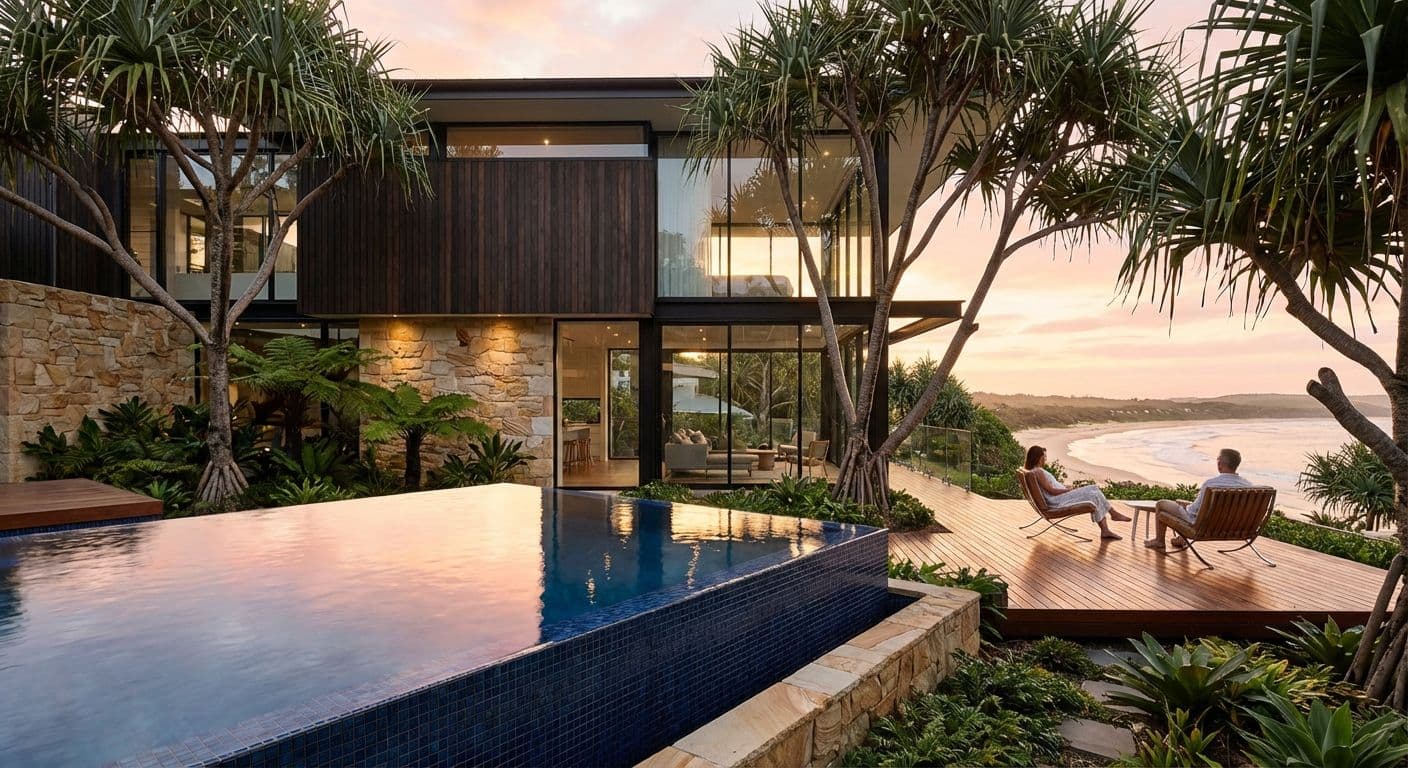
Insuring the Secondary Sanctuary: Risk Management for Unoccupied Holiday Homes in Noosa and Byron Bay

By Andre Lang · High-value home insurance specialist
Last updated 10 January 2026
The Prestige and the Peril of the Secondary Sanctuary
In the prestigious enclaves of Noosa’s Little Cove and the hinterlands of Byron Bay, a secondary residence is more than an investment; it is a sanctuary. However, the very nature of these 'secondary sanctuaries'—often left unoccupied for weeks or months at a time—creates a unique risk profile that standard insurance products frequently fail to address. As we move through 2026, the intersection of climate volatility, rising building costs, and stringent insurer requirements necessitates a more sophisticated approach to risk management.
For owners in these high-demand Australian locales, the challenge is twofold: maintaining the physical integrity of a property against the harsh subtropical elements and ensuring that the insurance 'safety net' remains intact during long periods of vacancy. This guide explores the critical nuances of insuring unoccupied holiday homes and the proactive measures required to safeguard coastal assets.
Defining 'Unoccupied' vs. 'Vacant' in 2026
In insurance parlance, the terms 'unoccupied' and 'vacant' are often used interchangeably by laypeople, but they carry distinct legal meanings that can determine the success of a claim. An unoccupied home is one that contains enough furniture and utilities for a person to live in, but where no one is currently residing. A vacant home is typically entirely empty of contents.
Most premium insurers in the Australian market now trigger an 'Unoccupancy Clause' after 60 days. If your Noosa beach house remains empty beyond this period without formal notification to the underwriter, coverage for 'key risks'—such as glass breakage, water escape, and theft—may be automatically suspended or restricted. In 2026, we are seeing a trend where insurers in high-risk coastal zones are tightening these windows to 30 days due to the increased prevalence of mold and storm-related incidents.
Specific Regional Risks: Noosa and Byron Bay
While both Noosa and Byron Bay represent the pinnacle of Australian luxury real estate, they present distinct environmental challenges that owners must account for in their risk management strategies.
1. Subtropical Humidity and Mold Proliferation
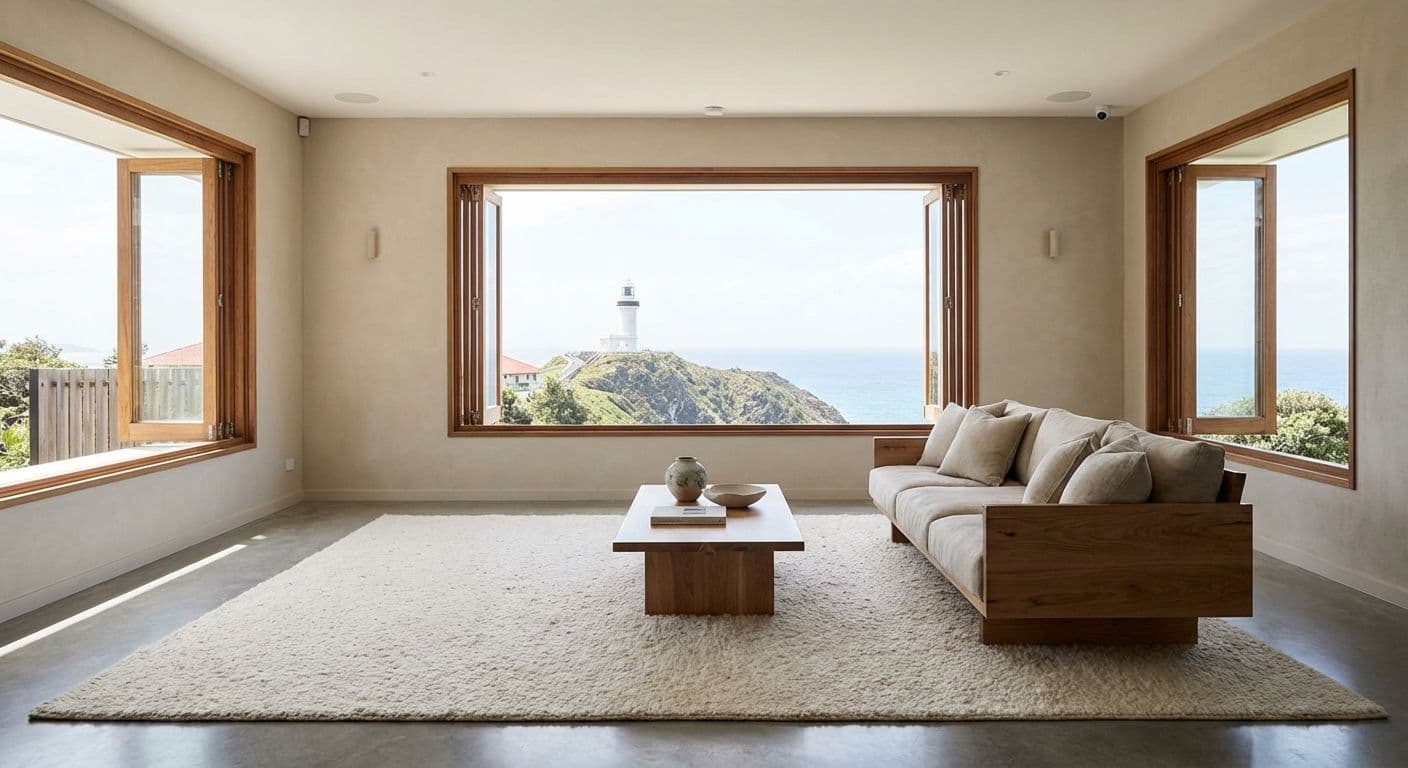
In the humid climates of South East Queensland and Northern NSW, an unoccupied home with poor airflow becomes a greenhouse for mold. Without regular habitation to trigger air conditioning or manual ventilation, mold can cause six-figure damages to high-end finishes and soft furnishings within weeks. Many standard policies exclude 'gradual damage,' making proactive climate control essential.
2. Coastal Corrosion and 'Salt Creep'
Properties on Noosa Parade or Byron’s Wategos Beach are subject to constant salt spray. This accelerates the degradation of mechanical systems, including air conditioning condensers, security gate motors, and smart home hardware. Insurers view 'wear and tear' as a maintenance issue, not an insurable event. A rigorous maintenance log is often required to prove that a failure was sudden and accidental rather than a result of coastal neglect.
3. Bushfire and Storm Surge
Byron Bay’s lush hinterland properties face significant bushfire risks (BAL ratings), while Noosa’s riverfront homes are sensitive to tidal surges and localized flooding. In 2026, insurers utilize satellite-driven AI to assess vegetation proximity and elevation. Owners must ensure their 'Sum Insured' reflects the current hyper-inflated cost of specialized coastal trades and materials required for reconstruction in these regions.
Critical Insurance Clauses for Holiday Home Owners
To ensure your secondary sanctuary remains protected, several specific policy features must be reviewed with a specialist broker:
- Accidental Damage Cover: Essential for high-net-worth homes where a simple spill or glass breakage can cost thousands to rectify.
- Loss of Rent: If the property is also used for short-term letting, ensure the policy covers lost income following an insurable event (e.g., a fire that makes the home untenantable during the Peak Christmas season).
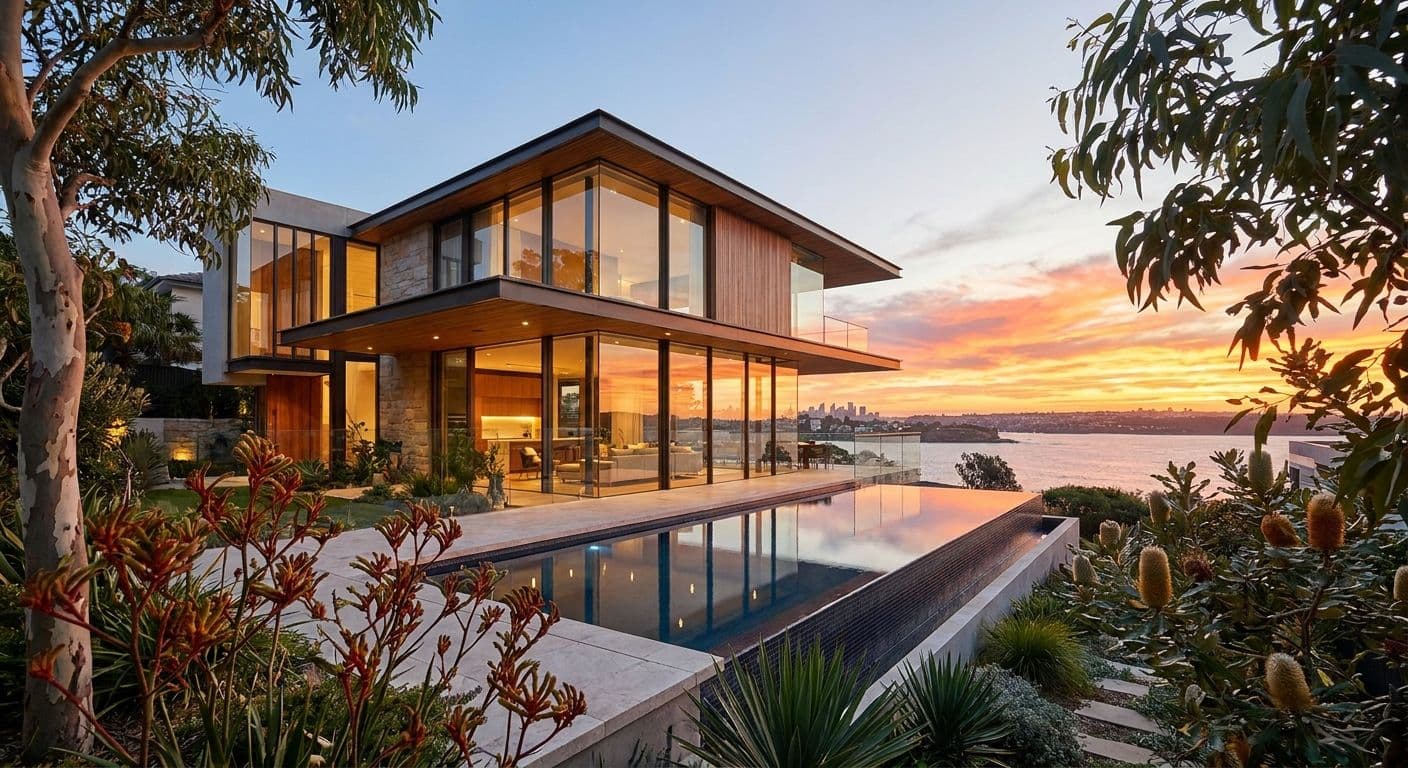
- Public Liability: A minimum of $20 million is standard for Byron and Noosa properties, especially if the home features high-risk amenities like infinity pools or private beach access.
- Cyber and Smart Home Coverage: With the rise of IoT-integrated homes, protection against hacking of security systems is an emerging necessity in 2026.
2026 Risk Mitigation Checklist for Unoccupied Homes
Effective risk management is about reducing the probability of a claim and ensuring that if a claim occurs, the insurer has no grounds for denial. Use this checklist for your Noosa or Byron property:
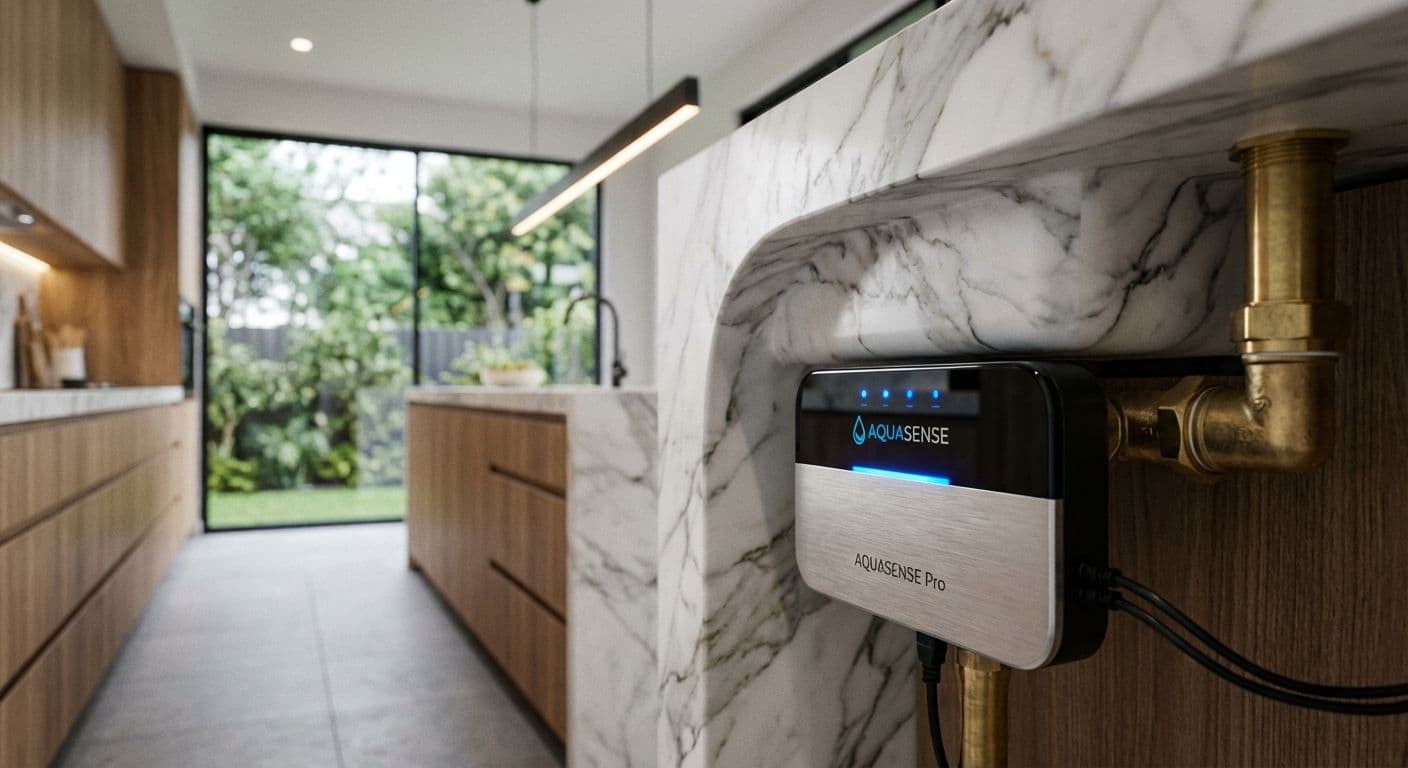
- Install Smart Water Shut-off Valves: These detect abnormal flow and automatically cut the water supply, preventing catastrophic internal flooding while the home is empty.
- Maintain a 'Lived-In' Aesthetic: Use smart lighting on randomized timers and engage a local concierge service to clear mail and maintain landscaping. This deters theft and squatting—a rising concern in high-value vacant properties.
- Quarterly Professional Inspections: Many insurers now mandate a 'bi-monthly inspection' by a professional property manager to maintain full coverage. Ensure these inspections are documented with time-stamped photos.
- Remote Humidity Monitoring: Use smart sensors to monitor internal humidity. If levels exceed 65%, have a local contact trigger the AC's dry mode to prevent mold spores from taking hold.
Conclusion: The Importance of Specialized Advice
Insuring a luxury holiday home in Noosa or Byron Bay in 2026 requires more than a 'set and forget' mentality. The market has shifted away from generalized policies toward bespoke risk assessment. By understanding the unoccupancy limits of your policy and leveraging smart technology to mitigate environmental threats, you can ensure that your secondary sanctuary remains a place of relaxation rather than a source of financial liability.
Always consult with a broker who understands the specific micro-climates of the Sunshine Coast and Northern Rivers. Transparency with your insurer regarding the home's usage is the only way to guarantee the peace of mind you sought when acquiring your piece of the Australian coast.
Frequently Asked Questions
What is the standard unoccupancy limit for Australian holiday home insurance?
Most standard Australian policies define a home as 'unoccupied' after 60 consecutive days. However, in 2026, many high-end insurers in Noosa and Byron Bay have reduced this to 30 or 45 days. Exceeding this limit without notifying your insurer can void your coverage for theft, vandalism, and water damage.
Does holiday letting change my insurance requirements in Noosa or Byron Bay?
Yes. If you transition from a private holiday home to a short-term rental (e.g., Airbnb or Stayz), you require specific Short-Term Rental Insurance or a 'Holiday Letting' endorsement. Standard home and contents policies typically exclude commercial activities and malicious damage by guests.
How do coastal risks in Byron Bay affect insurance premiums?
Properties in Byron Bay face unique risks including salt air corrosion, coastal erosion, and high-wind events. In 2026, insurers use granular flood and storm surge mapping. Proximity to the shoreline and the use of 'marine-grade' building materials are now primary factors in premium calculation.
Can smart home technology lower my holiday home insurance costs?
Many specialist insurers now offer 'technology discounts' for properties equipped with back-to-base alarms, smart water shut-off valves, and temperature sensors that detect mold-conducive conditions, as these mitigate the most common unoccupied home claims.
Related insights
Explore our cover

Andre LangHigh-value home insurance specialist
Andre Lang is a high-value home insurance specialist who advises owners of architecturally significant and high-net-worth Australian homes on protecting their property, fine art, and collections.