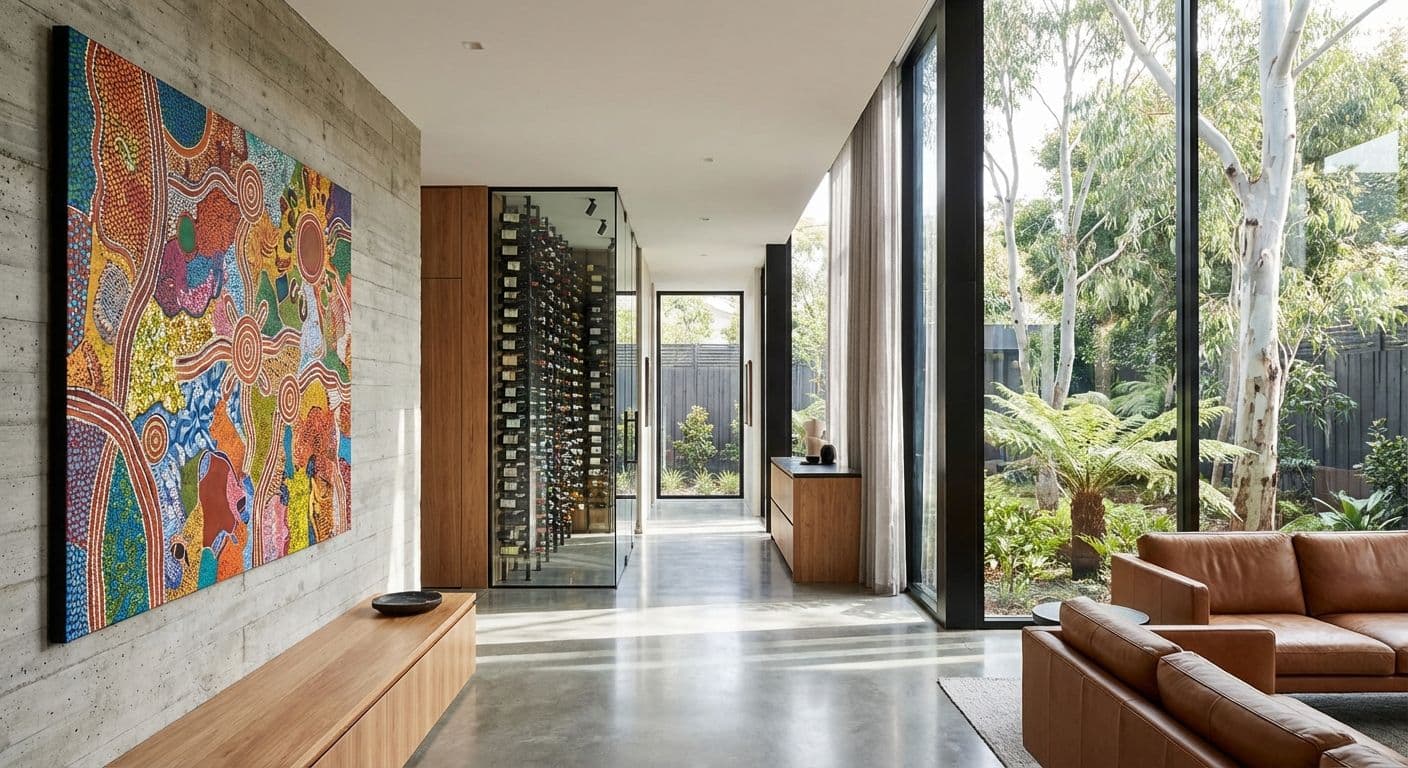
Beyond the Walls: Insuring High-Value Art and Private Wine Collections

By Andre Lang · High-value home insurance specialist
Last updated 10 January 2026
The Evolution of Passion Investments in 2026
In 2026, the landscape of wealth in Australia has shifted significantly. High-net-worth individuals (HNWIs) are increasingly diversifying their portfolios into 'passion assets'—specifically fine art and investment-grade wine. These assets often provide a hedge against inflation and market volatility, but they also introduce unique risks that traditional insurance products are ill-equipped to handle. Protecting these collections requires moving 'beyond the walls' of standard property insurance.
Whether it is a curated selection of First Nations contemporary art or a vertical collection of Penfolds Grange, these items represent more than just financial value; they are cultural and personal legacies. However, the Australian climate—marked by extreme heat, humidity, and bushfire risks—poses significant threats to these delicate assets. Understanding the intersection of valuation, risk management, and specialized coverage is now a prerequisite for any serious collector.
Why Standard Home Insurance Falls Short
The most common mistake collectors make is assuming their general home and contents policy provides adequate protection. Standard policies are designed for replaceable household goods, not irreplaceable cultural artifacts or delicate consumables. Here is why they often fail the high-value collector:
- Sub-limits: Most policies cap the payout for 'unspecified' valuables at a fraction of their actual worth.
- Market Value vs. Agreed Value: Standard policies usually pay out based on 'market value' at the time of loss, which can be difficult to prove for art and may not reflect the price paid or the potential for appreciation.
- Exclusion of Accidental Damage: While fire and theft are usually covered, the accidental 'oops' moment—like a painting being bumped during a party or a bottle being dropped—is often excluded.
- Lack of Restoration Coverage: If a painting is damaged and restored, it often loses significant market value. Standard policies cover the repair but not the resulting 'loss in value.'
Art Insurance: Protecting the Canvas and the Legacy
Australia’s art market has seen a surge in interest for both domestic contemporary works and international blue-chip pieces. Insuring these requires a nuanced approach that considers the entire lifecycle of the piece—from acquisition and transit to display and storage.
Agreed Value and Appreciation
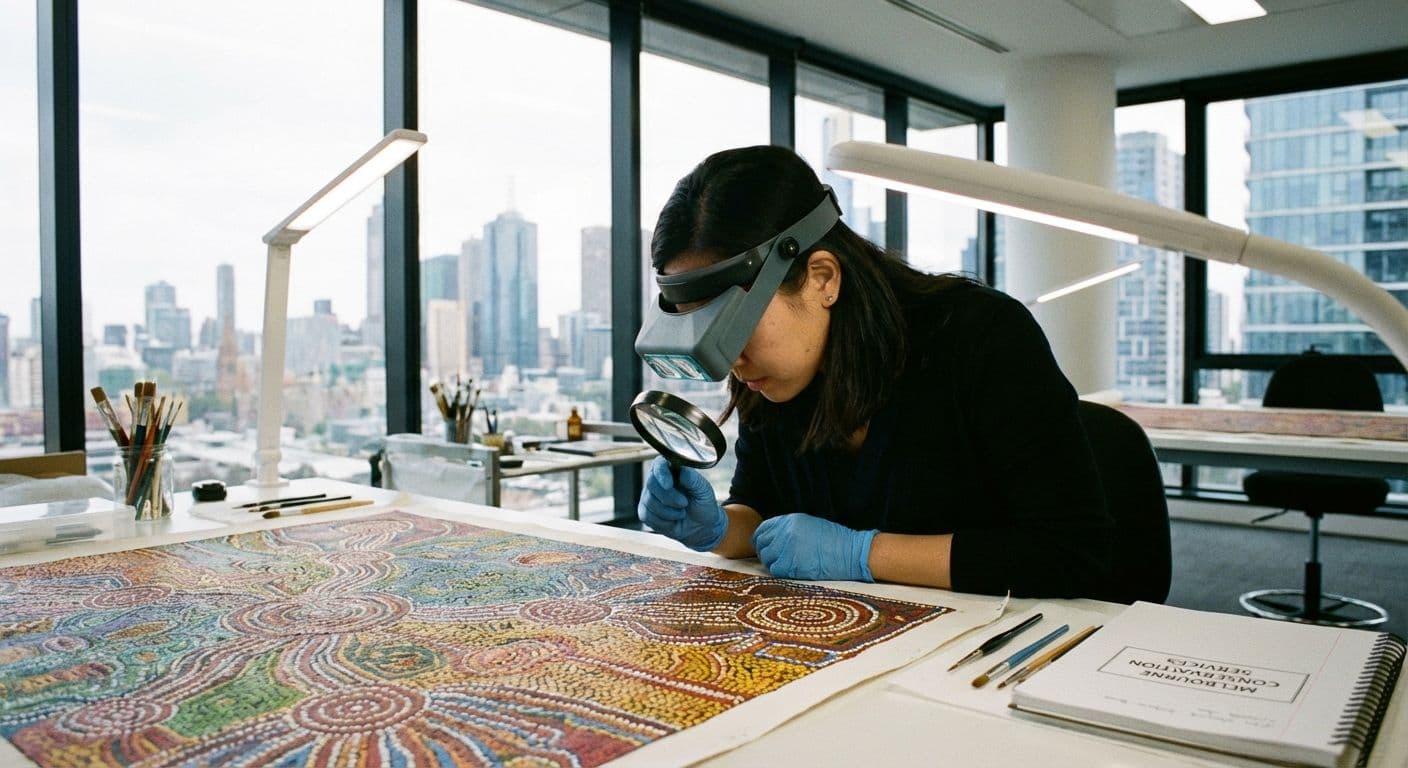
Specialist art insurance operates on an 'Agreed Value' basis. This means you and the insurer agree on the value of each piece when the policy is written, typically based on a recent professional appraisal. Crucially, high-end policies in 2026 often include 'Market Increase' clauses, which can pay up to 150% of the agreed value if the artist’s market value spikes shortly before a total loss occurs.
The Risk of Transit and Installation
Statistically, art is most vulnerable when it is being moved. Whether it is being transported from a gallery in Sydney to a home in Perth, or simply being moved between rooms, the risk of puncture, tearing, or climate shock is high. A comprehensive policy provides 'Wall-to-Wall' coverage, ensuring the piece is insured from the moment it leaves its current location until it is securely installed at its destination.
Liquid Assets: The Complexity of Wine Insurance
For the serious oenophile, a wine collection is a living entity. Unlike art, which is relatively stable if kept out of direct sunlight, wine is chemically sensitive to its environment. In Australia’s harsh summers, a single afternoon of power failure in a cellar can destroy decades of careful curation.
Climate Control and Spoilage
Specialist wine insurance must include coverage for 'spoilage' due to temperature fluctuation and humidity failure. This covers the loss if a cooling unit breaks down or if a rolling blackout (increasingly common in certain Australian regions) lasts long enough to 'cook' the wine. This is a critical distinction from standard policies which only cover fire and theft.
Label and Bottle Damage
In the investment market, the condition of the label is nearly as important as the wine itself. Flooding, humidity-induced mould, or even minor handling accidents can deface a label, stripping 30-50% off the bottle’s resale value. Specialist policies often include coverage for label damage and 'Pairs and Sets'—meaning if one bottle in a rare case is destroyed, the insurer may compensate for the loss of value to the remaining collection.
Risk Mitigation: The Best Insurance is Prevention
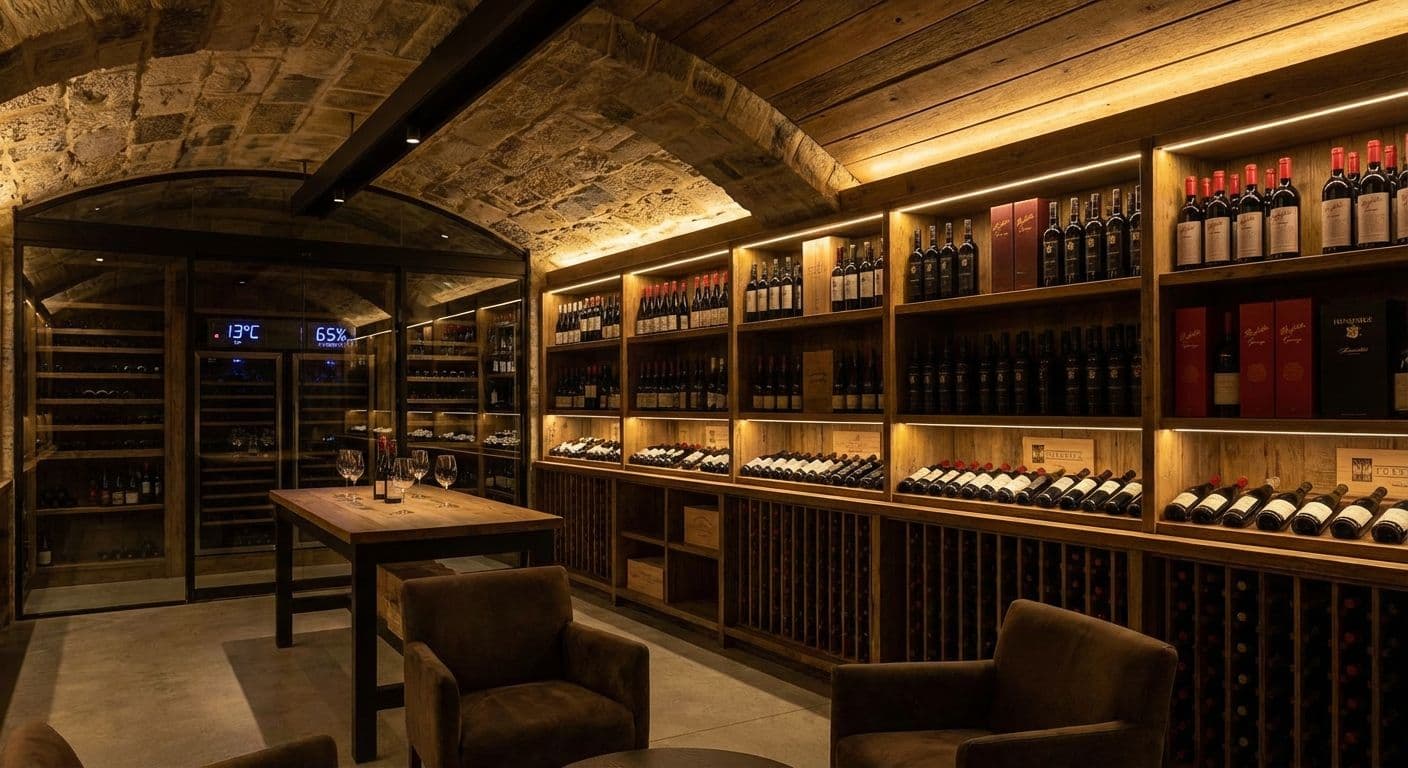
Insurance is a safety net, but for irreplaceable items, prevention is paramount. In 2026, technology plays a major role in risk mitigation for HNWIs:
- Smart Cellar Monitoring: IoT sensors that provide real-time alerts to your smartphone if temperature or humidity levels deviate by even one degree.
- Art Security Systems: Hidden vibration sensors behind frames and UV-filtering glass for display areas exposed to Australia's harsh light.
- Digital Inventory Management: Using blockchain-based platforms to maintain a secure, immutable record of provenance, appraisals, and condition reports.
- Professional Storage: For many collectors, off-site professional storage (like specialized bond stores) offers the highest level of protection against bushfires and local weather events.
Key Policy Clauses Every Collector Should Know
When reviewing a high-value asset policy, look for these specific terms to ensure you are not left vulnerable:
- Worldwide Coverage: Ensures your collection is covered while in transit internationally or if temporarily housed in a secondary residence abroad.
- Newly Acquired Items: Provides automatic coverage (usually for 30–90 days) for new purchases until they can be formally added to the policy.
- Right of First Refusal: In the event of a total loss where the item is later recovered (common in art theft), this clause gives you the right to buy the item back from the insurer at the price of the settlement.
- No-Deductible Options: Many ultra-high-end policies offer a $0 deductible, reflecting the care collectors take with their assets.
Conclusion: A Strategy for the Modern Collector
Insuring a high-value art or wine collection in 2026 is no longer a 'set and forget' task. It requires an active partnership between the collector, specialized appraisers, and an insurance broker who understands the nuances of these unique markets. As these assets continue to rise in value and cultural significance, the cost of being underinsured is simply too high.
By moving beyond the limitations of standard home insurance and embracing bespoke, 'Agreed Value' coverage combined with modern risk management technology, you can ensure that your passion investments remain protected for generations to come.
Frequently Asked Questions
Does my standard home insurance cover my art collection?
Generally, no. Most standard Australian home and contents policies have 'item limits' (often between $2,000 and $10,000) for art and curios. For high-value collections, you need a specialist 'Agreed Value' policy that accounts for market appreciation and specific risks like restoration-related loss of value.
How often should I have my wine and art collections appraised?
In the 2026 market, it is recommended to conduct professional appraisals every three to five years. Rapid shifts in the global art market and the maturing of specific wine vintages can leave you significantly underinsured if your valuations are outdated.
Is wine spoilage covered if my cellar cooling system fails?
Not always. Basic policies may exclude 'mechanical breakdown' or 'spoilage.' Specialist wine insurance typically includes coverage for temperature variation caused by mechanical failure or power outages, provided the equipment is properly maintained.
What is 'Title Insurance' for fine art?
Title insurance protects the collector against financial loss if a piece of art is discovered to have a defective title—for example, if it was stolen decades ago or was subject to an illegal export. This is increasingly important for high-value international acquisitions.
Related insights

Explore our cover

Andre LangHigh-value home insurance specialist
Andre Lang is a high-value home insurance specialist who advises owners of architecturally significant and high-net-worth Australian homes on protecting their property, fine art, and collections.