Verdant Assets: Insuring Multi-Million Dollar Landscaping and External Infrastructure

By Andre Lang · High-value home insurance specialist
Last updated 10 January 2026
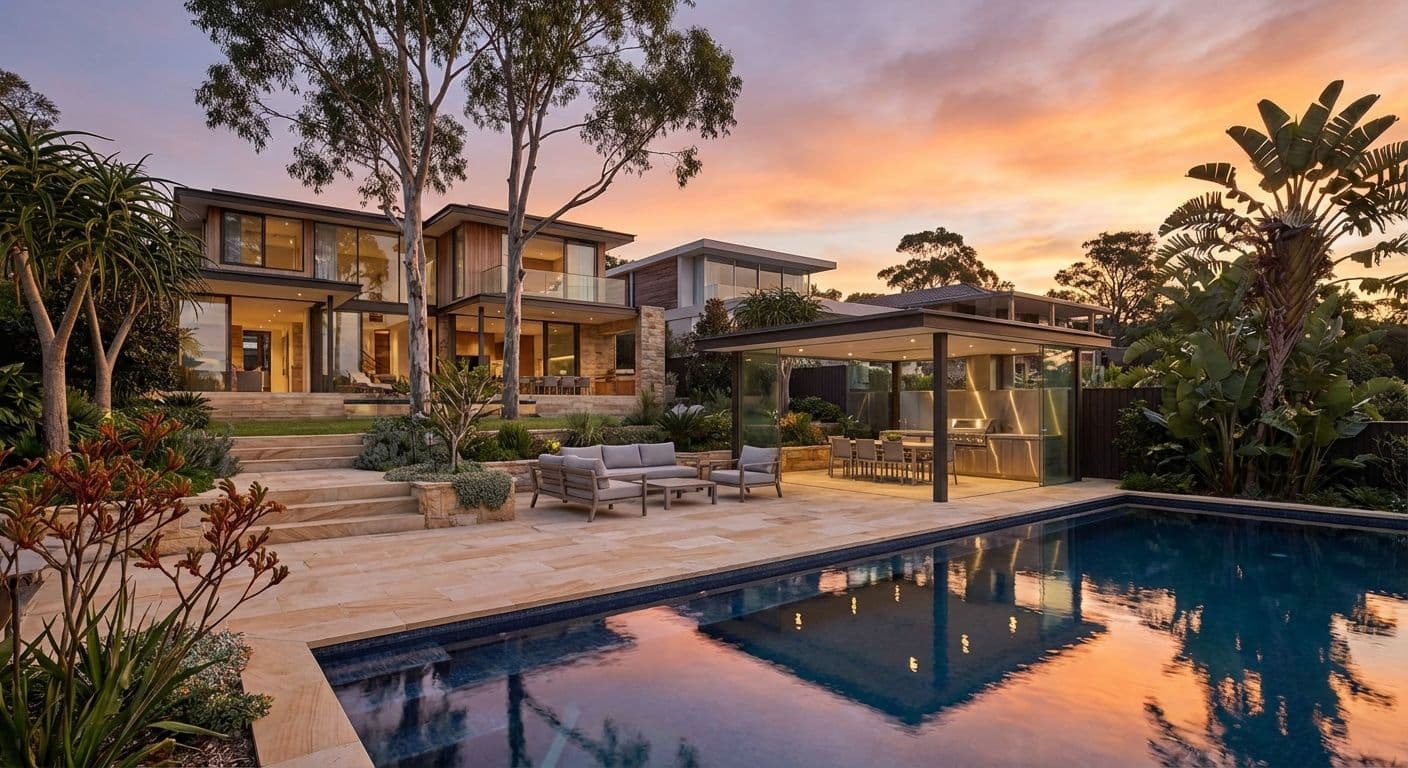
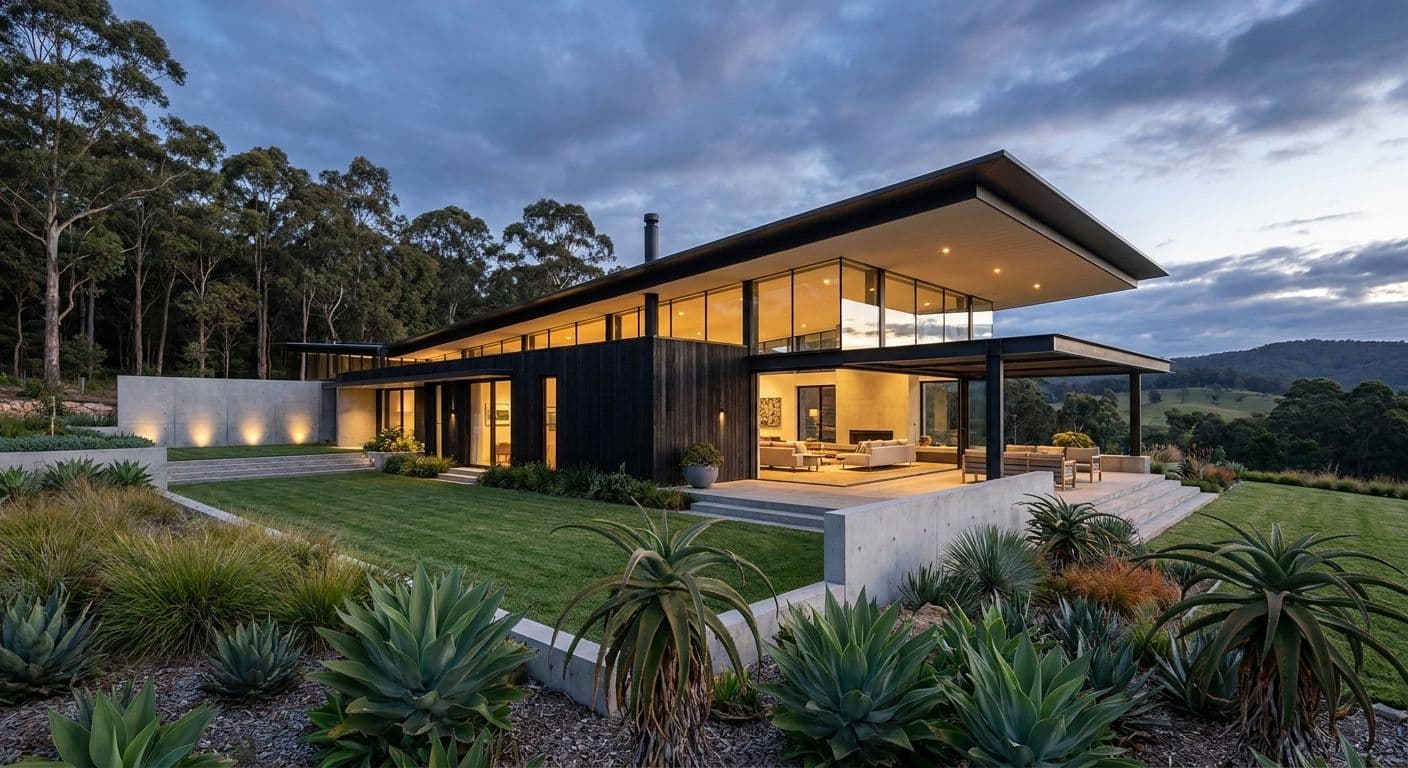
In the upper echelons of the Australian property market, the concept of the 'home' has transcended the four walls of the primary residence. As we move through 2026, the 'Verdant Asset'—a term encompassing multi-million dollar landscaping, mature botanical collections, and complex external infrastructure—has become a significant portion of a property’s total valuation. For estates in suburbs like Sydney’s Point Piper, Melbourne’s Mornington Peninsula, or Perth’s Peppermint Grove, the external environment is no longer just a backdrop; it is a sophisticated, engineered asset class that requires specialized protection.
The Evolution of External Infrastructure
The traditional backyard has been replaced by 'outdoor rooms' that feature the same level of technological and architectural complexity as the interior. We are seeing a surge in high-value external infrastructure, including:
- Architectural pavilions and climate-controlled outdoor kitchens.
- Designer infinity pools with integrated smart-cleaning and heating systems.
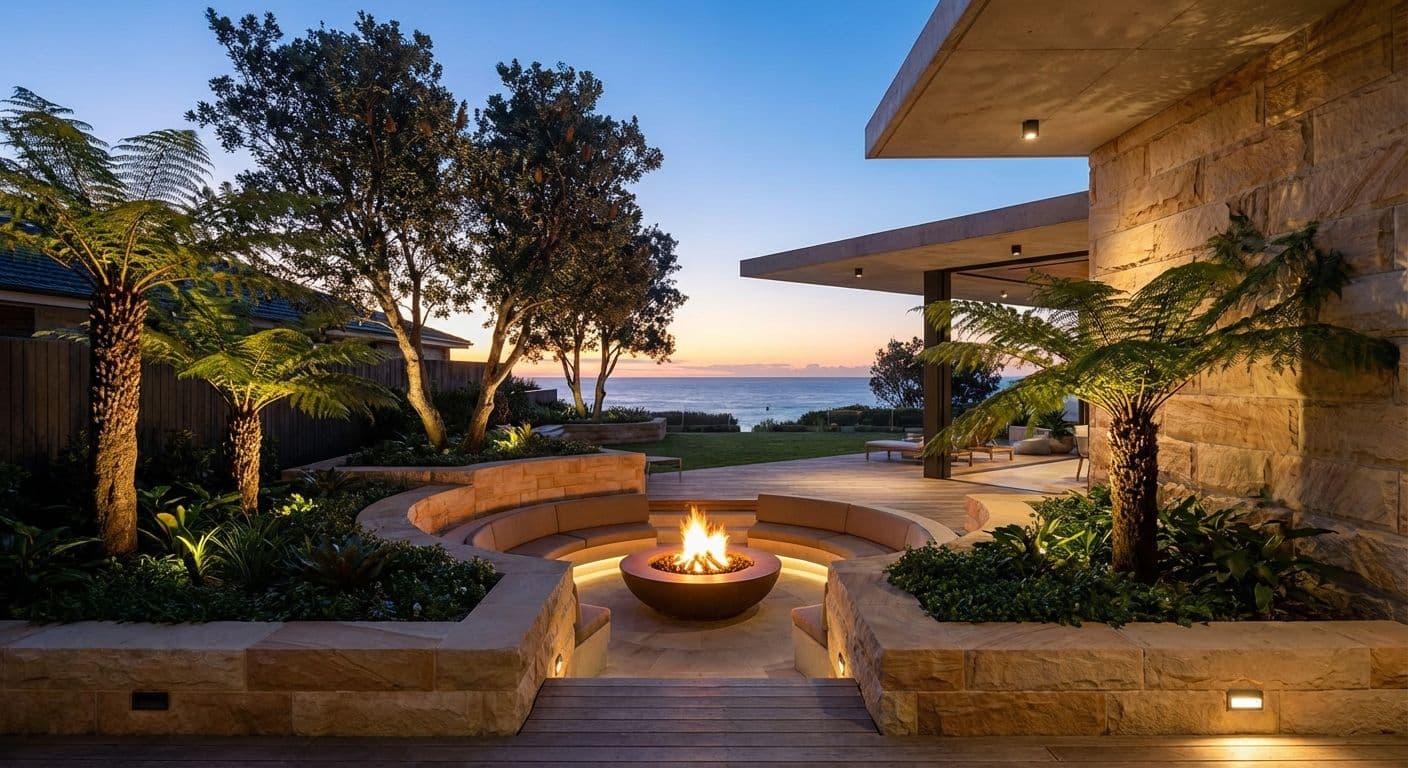
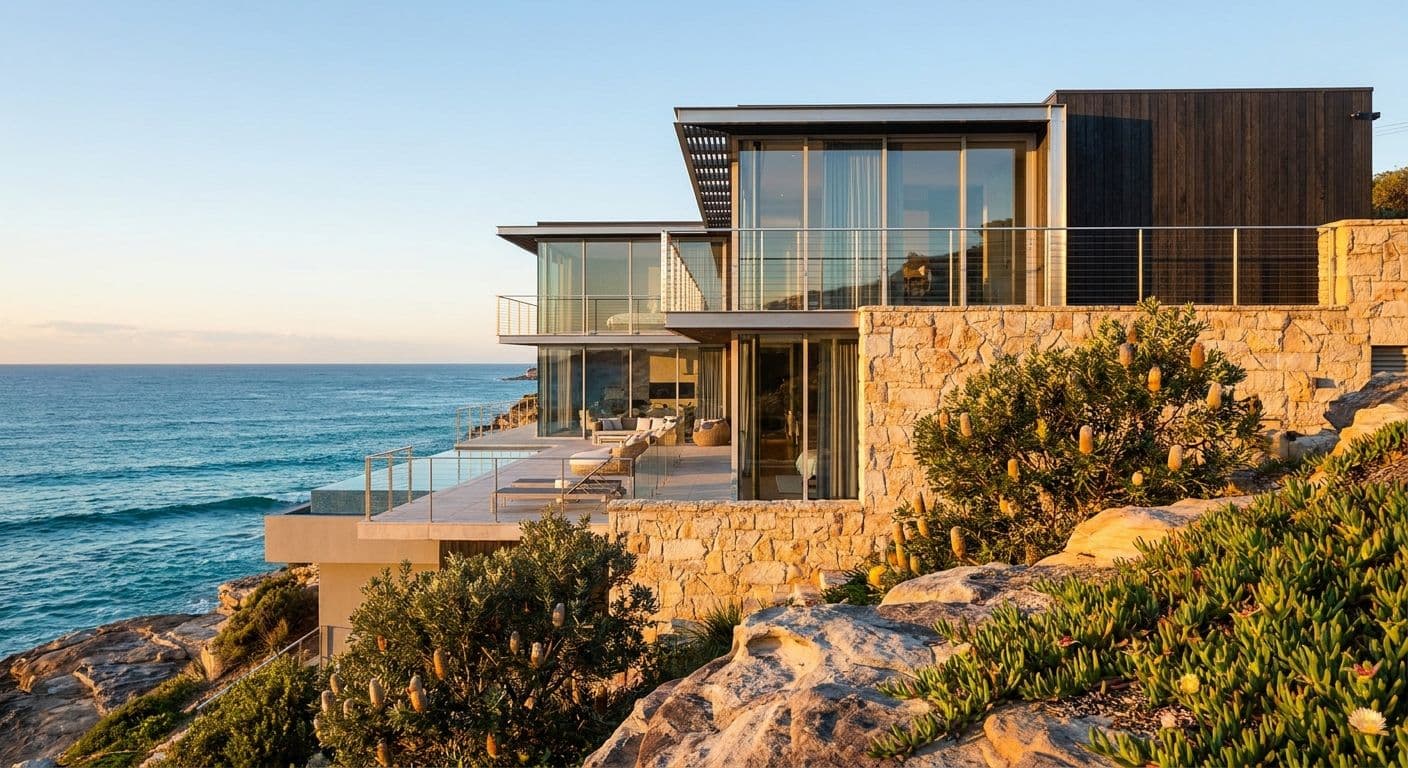
- Precision-engineered retaining walls and terracing on steep coastal or hillside blocks.
- Extensive 'Smart Garden' ecosystems featuring automated nutrient delivery and moisture sensors.
- Bespoke lighting installations and high-fidelity outdoor audio-visual networks.
For a $20 million estate, it is not uncommon for the landscaping and external works to account for $3 million to $5 million of the total project cost. Standard homeowners' insurance policies, however, are often ill-equipped to handle the nuances of these investments.
The Critical Coverage Gap: Why Standard Policies Fail
Most off-the-shelf insurance products in Australia treat landscaping as an afterthought. Common pitfalls include restrictive sub-limits and exclusions that can leave a property owner facing millions in out-of-pocket expenses after a disaster.
Restrictive Sub-Limits on Flora
A typical policy might cap the payout for 'trees, shrubs, and plants' at a flat rate—often between $2,500 and $10,000 for the entire claim. When a single mature Canary Island Date Palm can cost $25,000 to source, transport, and crane into position, these limits are functionally useless for high-end gardens.
The 'Earth Movement' Exclusion
Standard policies frequently exclude damage caused by landslip, subsidence, or erosion unless directly caused by a specific 'insured event' like a pipe burst. For luxury homes perched on the Sydney cliffs or the slopes of the Dandenongs, the external infrastructure is most at risk from these very movements. Specialized High Net Worth (HNW) insurance provides broader wording that covers the stabilization of the land itself—a crucial distinction.
Valuing the Invaluable: Mature Landscapes
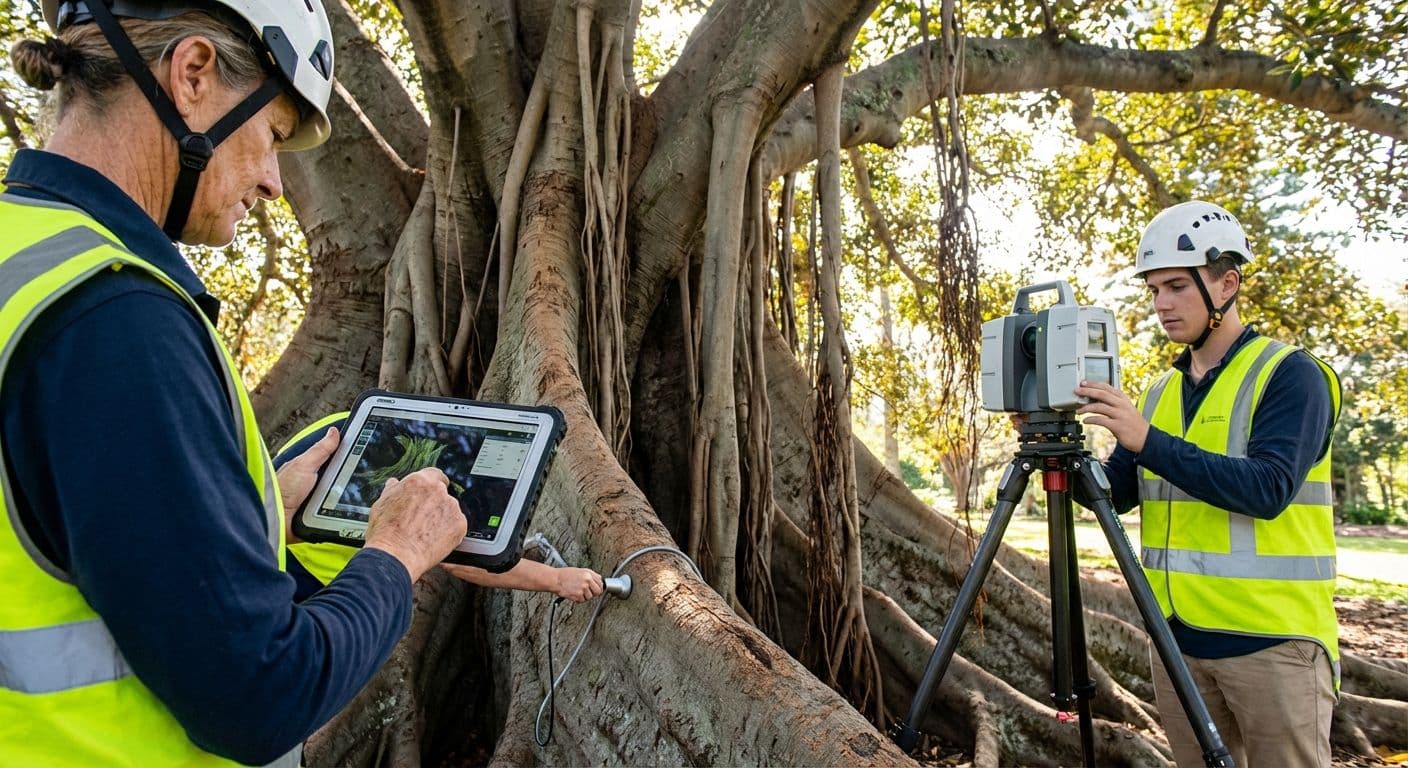
How do you put a price on a 100-year-old Morton Bay Fig or a grove of century-old Olives? In 2026, insurers are utilizing more sophisticated valuation models to ensure 'Verdant Assets' are covered for their true replacement value.
The valuation process typically involves a combination of:
- Arboricultural Assessment: Specialists determine the species, health, and 'irreplaceability' of the plants.
- Logistical Modeling: Calculating the cost of heavy machinery, road closures, and specialist cranes required to plant mature replacements.
- The Thyer or Burnley Methods: Standardized Australian formulas used to calculate the monetary value of amenity trees based on size, location, and life expectancy.
Navigating Australian Climate Risks in 2026
The Australian landscape is defined by its volatility. For owners of expansive estates, the risks of 2026 are more pronounced than ever. Insurers now scrutinize the 'resilience' of external infrastructure before offering coverage.
Bushfire Zones and Defensible Space
In regions like the Blue Mountains or the Adelaide Hills, the landscaping is often the primary fuel source for fires. Insurers are rewarding owners who implement 'defensible space' designs—using fire-retardant species (like certain succulents or Australian natives with low oil content) and non-combustible hardscaping. Comprehensive policies in these areas should include high limits for debris removal, which can be astronomically expensive following a fire.
Storm Surges and Coastal Infrastructure
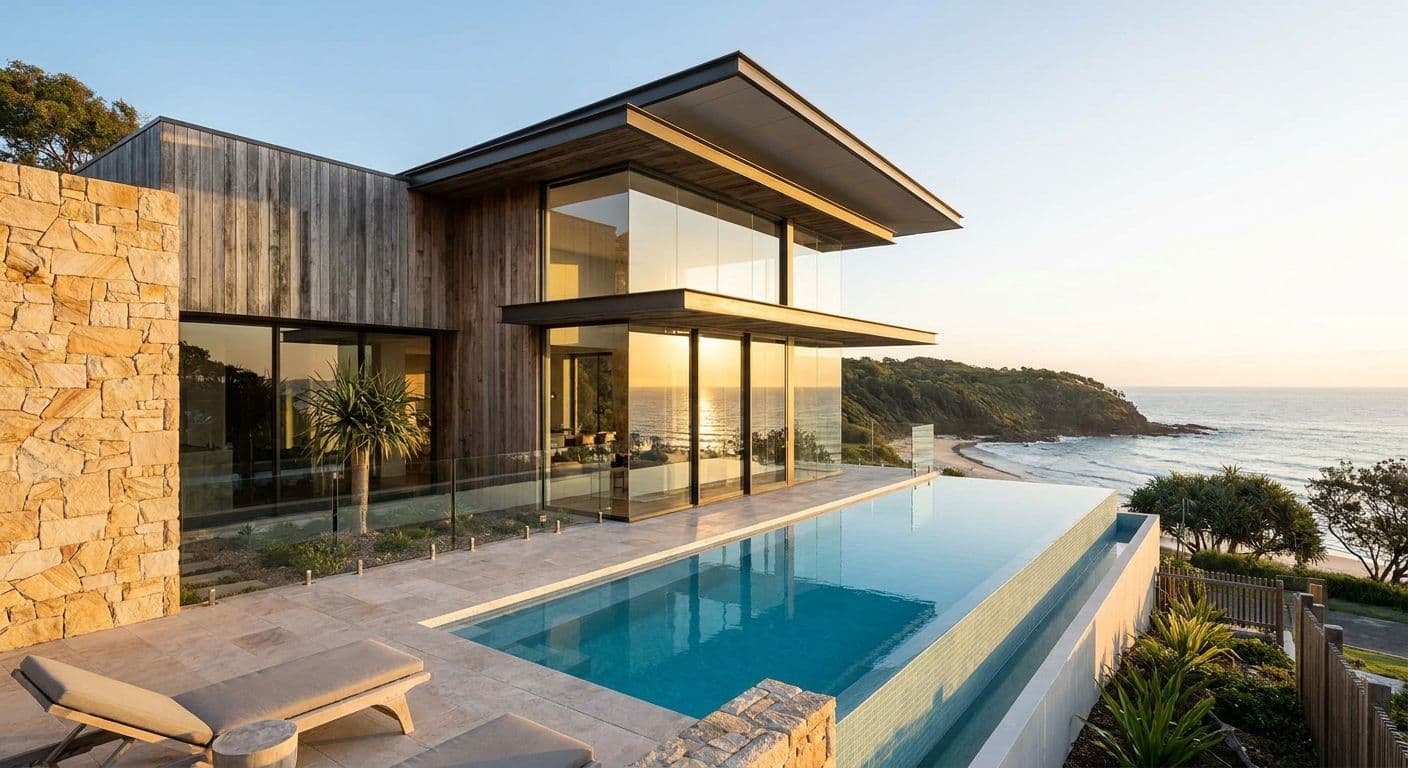
For waterfront properties, the external infrastructure is the first line of defense. Sea walls, jetties, and coastal planting are subject to salt spray and tidal surges. In 2026, bespoke insurance policies are offering specific 'coastal protection' endorsements that cover the repair of these specialized structures which are usually excluded from standard home policies.
Risk Mitigation: The Underwriter’s Perspective
To secure the best terms for multi-million dollar landscaping, proactive risk management is essential. Underwriters for premium insurers (such as Chubb, AIG, or specialist Lloyd’s syndicates) look for the following:
- Detailed Asset Registers: A catalog of all significant flora, including photographs, species names, and professional valuations.
- Maintenance Contracts: Evidence of professional arborist care and irrigation system servicing.
- Smart Monitoring: Use of IoT sensors to detect soil moisture levels (reducing the risk of plant death during drought) and structural sensors on major retaining walls.
- Engineering Certifications: Up-to-date certificates for pools, tennis courts, and steep-slope infrastructure.
Conclusion: Protecting the Full Estate
As we move into an era where external spaces are as curated and valuable as a fine art collection, the 'one size fits all' approach to home insurance is no longer viable. For the discerning Australian property owner, protecting 'Verdant Assets' is about more than just replacing a few shrubs; it is about safeguarding the structural integrity, the aesthetic value, and the environmental heritage of their estate. Consulting with a specialist broker who understands the nuances of external infrastructure is the only way to ensure that when disaster strikes, the sanctuary you’ve built can truly be restored.
Frequently Asked Questions
Does my standard home insurance cover mature trees and professional landscaping?
Most standard policies have strict sub-limits for landscaping, often capped at $5,000 to $10,000, which is insufficient for multi-million dollar gardens. Specialized HNW (High Net Worth) policies are required to cover the true replacement cost of mature specimens and complex hardscaping.
How is a multi-million dollar garden valued for insurance purposes?
Insurers use specialized valuation methods such as the Thyer Method or Burnley Method, considering the species rarity, age, size, and the logistical cost of transplanting a mature replacement. Professional arborists and quantity surveyors typically provide these assessments.
Are retaining walls and tennis courts covered under standard building insurance?
While often included, they are frequently underinsured or subject to 'earth movement' exclusions. For high-value estates, these 'external infrastructure' items should be listed specifically with a defined replacement value that includes engineering and excavation costs.
What role does climate change play in landscaping insurance in 2026?
In 2026, insurers are increasingly looking at 'climate-resilient' design. Properties in high-risk bushfire or flood zones may require specific mitigation strategies, such as fire-retardant plant selections and advanced drainage systems, to maintain comprehensive coverage.
Related insights
Explore our cover

Andre LangHigh-value home insurance specialist
Andre Lang is a high-value home insurance specialist who advises owners of architecturally significant and high-net-worth Australian homes on protecting their property, fine art, and collections.