The Invisible Threat: Why Modern Luxury Homes Face Higher Fire Risks in Bushland Fringes

By Andre Lang · High-value home insurance specialist
Last updated 11 February 2026
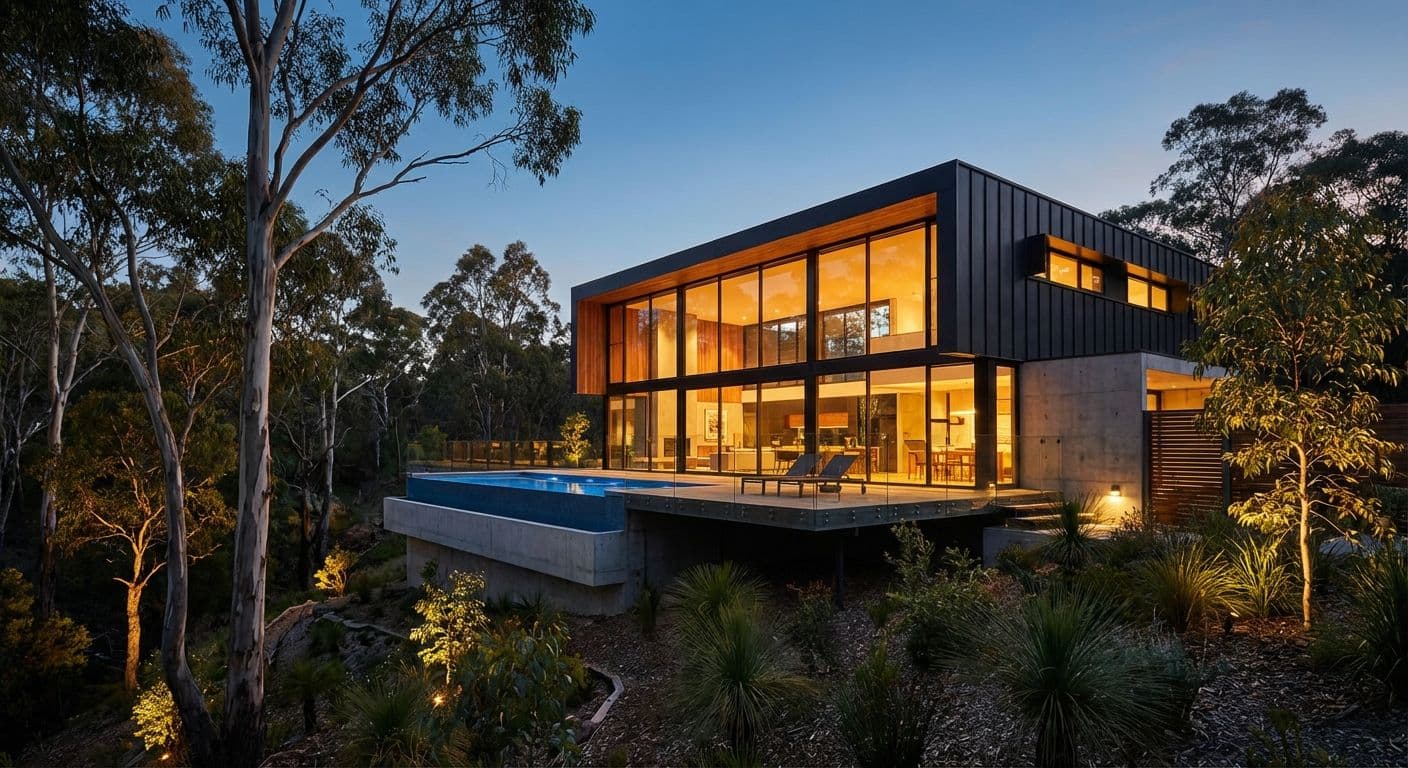
The allure of the Australian bushland is undeniable. For many high-net-worth individuals, the dream of a modern architectural masterpiece nestled within the serene silhouette of eucalyptus trees represents the pinnacle of luxury living. These properties, located on the 'urban-bushland interface' (UBI), offer unparalleled privacy and views. However, as we move into 2026, a sobering reality has emerged: the very design elements that define modern luxury are often the same factors that increase vulnerability to bushfires.
The threat is often 'invisible' because it does not always arrive as a towering wall of flame. Instead, it manifests through subtle architectural vulnerabilities, microclimatic shifts, and the long-range travel of embers. Understanding why these high-end homes face elevated risks is the first step in protecting both the physical asset and the lives within it.
The Paradox of Modern Architecture and Fire Risk
Modern luxury architecture frequently prioritises a 'seamless transition' between indoor and outdoor spaces. This is achieved through expansive glazing, cantilevered structures, and open-plan designs. While aesthetically breathtaking, these features create unique challenges during a bushfire event.
The Vulnerability of Expansive Glazing
Floor-to-ceiling glass is a staple of the modern luxury home. In a bushfire, the primary threat to glass is radiative heat. Even if the fire front is fifty metres away, the intense heat can cause the glass to lose structural integrity. Once a window fails, embers have direct access to the interior of the home—where curtains, furniture, and flooring provide ample fuel. In 2026, while toughened glass is standard in high BAL (Bushfire Attack Level) areas, the sheer scale of glazing in luxury builds means that any minor installation flaw can lead to catastrophic failure.
Complex Rooflines and Debris Traps
Contemporary designs often move away from traditional pitched roofs in favour of complex, multi-level, or flat rooflines. While visually striking, these designs often create 'valleys' and 'nooks' where dry leaves and bark accumulate. During the summer months, these areas become tinderboxes. When an ember attack occurs, these pockets of debris ignite, placing the fire directly against the roof's sealing points or under-cladding, often bypassing the home's external defences.
Ember Attack: The 80% Factor
It is a common misconception that homes are lost primarily to direct flame contact. In reality, ember attack is responsible for approximately 80% of house losses in Australia. Embers can travel several kilometres ahead of a fire front, carried by strong winds. For a luxury home on the bushland fringe, this means the threat can arrive long before a fire is even visible from the property.
Modern luxury homes often feature sophisticated ventilation systems and 'shadow line' architectural details. If these are not meticulously screened with stainless steel mesh (with an aperture of less than 2mm), they act as entry points for embers. Once an ember enters a wall cavity or a ceiling void, the home can burn from the inside out, often while the exterior remains relatively untouched.
The Conflict of Landscape Design
The landscape of a luxury home is often designed to blend into the surrounding bush. This 're-wilding' aesthetic, though environmentally conscious, can be dangerous. Thick undergrowth, mulch-heavy garden beds, and certain species of eucalyptus located close to the structure provide a 'wick' for fire to travel directly to the building.
- Flammable Mulch: Organic mulches used for water retention are highly flammable and can carry ground fire to the house walls.
- Tree Overhangs: Branches overhanging the roof provide a direct path for fire and increase the volume of leaf litter in gutters.
- Timber Decking: Large timber decks, popular in luxury builds, are significant fuel loads that can ignite from ember drift underneath the boards.
Why BAL Ratings Aren't a Guarantee
In Australia, the Bushfire Attack Level (BAL) system provides a framework for construction standards based on potential exposure to ember attack, radiant heat, and direct flame. However, for a bespoke luxury home, a standard BAL rating may not capture the full risk profile. Factors such as the 'chimney effect' of a steep slope or the specific wind funneling created by a valley can increase the intensity of a fire beyond what the BAL rating anticipated.
Furthermore, many luxury homes built before the most recent revisions of AS 3959 (the Australian Standard for construction in bushfire-prone areas) may have significant 'legacy' vulnerabilities. Even minor renovations or additions can compromise the integrity of a previously compliant home.
The 2026 Insurance Landscape for Bushland Homes
The insurance market in 2026 has become increasingly sophisticated in how it assesses fire risk. Insurers now use high-resolution satellite imagery and AI-driven climate modelling to determine the risk levels of individual properties. For owners of luxury homes on the bushland fringe, this has several implications:
- Higher Premiums: Properties in high-risk zones face significantly higher premiums reflecting the potential for total loss.
- Strict Mitigation Requirements: Insurers may mandate specific mitigation measures—such as automated external sprinkler systems or independent water tanks—before offering coverage.
- Underinsurance Risk: With rising construction costs in 2026, many luxury homeowners find their sum insured is insufficient to rebuild a bespoke home to current, more stringent fire standards.
Strategic Mitigation: Beyond the Building Code
Protecting a modern luxury home requires a holistic approach that goes beyond mere compliance. Proactive risk management involves three key pillars: design, technology, and maintenance.
1. Defensible Space and Landscaping
Creating a 'defensible space' involves managing the vegetation around the home to reduce fire intensity. This doesn't mean clearing all trees; rather, it means strategically thinning 'ladder fuels' (shrubs that carry fire from the ground to the canopy) and using fire-retardant plants. Hardscaping—such as stone terraces, gravel paths, and concrete retaining walls—can act as effective fuel breaks while enhancing the architectural aesthetic.
2. Advanced Fire Suppression Systems
For high-value assets, an automated external sprinkler system is a critical investment. These systems, often drawing from a dedicated onsite water tank (as mains water pressure often fails during fires), can drench the roof and surrounding glass, significantly lowering the surface temperature and extinguishing embers before they can ignite debris. In 2026, these systems can be integrated into smart home platforms, allowing for remote activation via satellite link if cellular towers are compromised.
3. Rigorous Maintenance Schedules
A bushfire-resilient home is only as good as its last maintenance check. For luxury homes, this means quarterly inspections of gutter guards, checking the integrity of ember screens on all vents, and ensuring that any 'soft' landscaping remains hydrated and managed. It also involves testing backup power systems and fire pumps regularly.
Conclusion: A Commitment to Resilience
Living in the Australian bush is a privilege that comes with a unique set of responsibilities. The 'invisible' threat of fire for modern luxury homes is a combination of architectural ambition and environmental reality. By acknowledging these risks and moving beyond basic compliance toward a culture of active risk management, homeowners can protect their investments and enjoy the beauty of the bushland with peace of mind.
As we navigate the complexities of 2026, the intersection of luxury and safety has never been more critical. Whether through intelligent design, advanced technology, or comprehensive insurance coverage, the goal remains the same: ensuring that the dream of a home in the bush doesn't become a cautionary tale.
Frequently Asked Questions
What is the primary cause of home loss during a bushfire?
While the fire front is devastating, ember attack is responsible for over 80% of home losses. Embers can travel kilometres ahead of a fire, entering small gaps in the roof, under floorboards, or through open vents, igniting the home from the inside out.
Does a high BAL rating mean my home is fireproof?
No. A Bushfire Attack Level (BAL) rating, such as BAL-40 or BAL-FZ (Flame Zone), indicates the construction standards required to improve a building's resilience. However, no home is completely fireproof; survival depends on ongoing maintenance, site management, and the intensity of the event.
Why do large glass windows pose a risk in luxury homes?
Large glass panes are vulnerable to radiative heat. Even without direct flame contact, the heat can cause standard glass to crack or shatter, allowing embers to enter the home. Additionally, radiative heat can ignite internal furnishings through the glass.
How does 2026 climate data affect luxury home insurance?
Increasingly volatile weather patterns and longer fire seasons in 2026 have led insurers to scrutinise bushland fringe properties more closely. High-value homes often require bespoke risk assessments and specialized coverage to ensure they are not underinsured against total loss.
Related insights
Explore our cover

Andre LangHigh-value home insurance specialist
Andre Lang is a high-value home insurance specialist who advises owners of architecturally significant and high-net-worth Australian homes on protecting their property, fine art, and collections.