The High Cost of Rare Materials: Why Luxury Rebuilds Defy Standard Valuation

By Andre Lang · High-value home insurance specialist
Last updated 9 January 2026
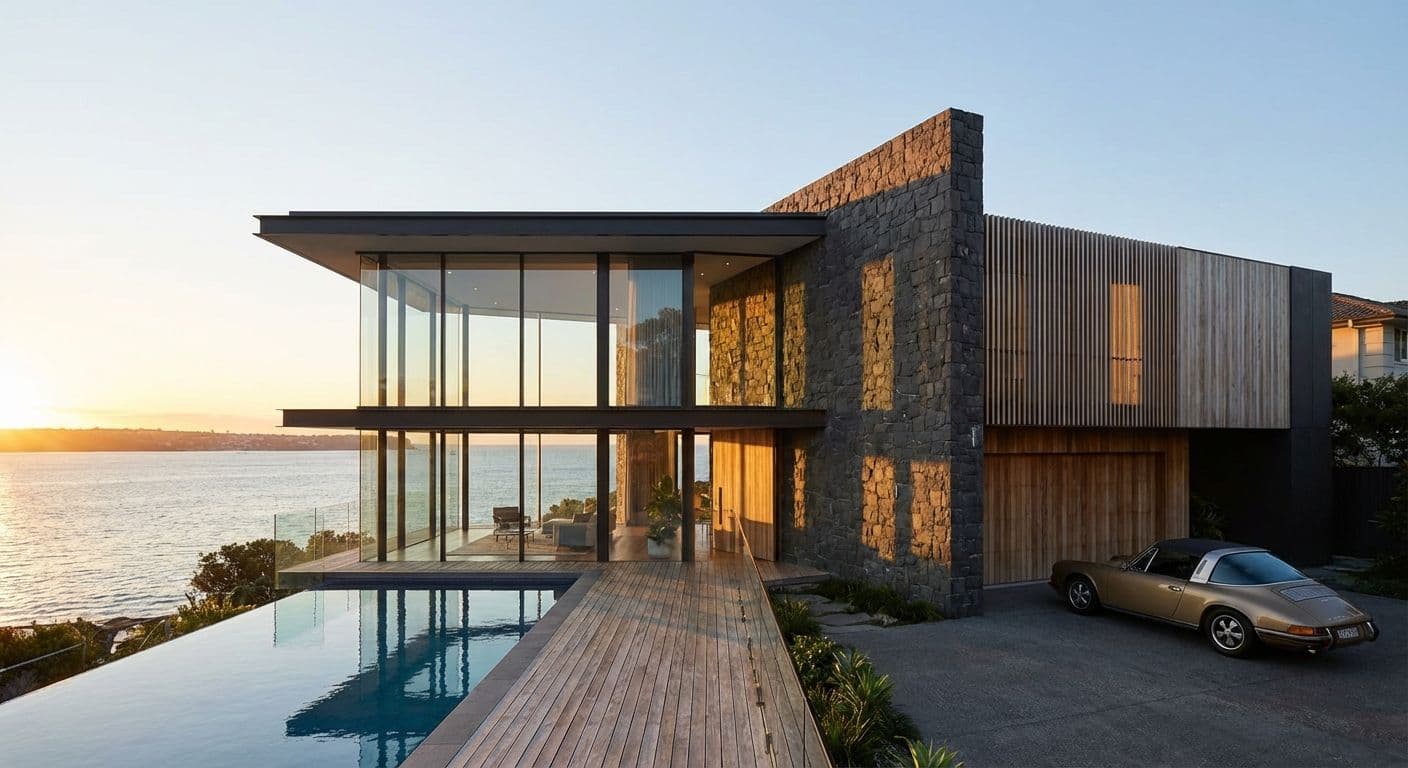
For the owners of Australia’s most prestigious residences—from the clifftops of Vaucluse to the leafy estates of Toorak—the term 'replacement cost' is often a source of profound financial misunderstanding. In the luxury sector, the standard metrics used by banks, insurers, and digital valuation tools frequently fall short by 30% or more. As we navigate 2026, a unique convergence of global material scarcity, localized artisan labor shortages, and stringent new building codes has created a landscape where luxury rebuilds fundamentally defy standard valuation models.
The Valuation Gap: Why Algorithms Fail Bespoke Architecture
Standard property valuations typically rely on 'comparable sales' or 'square-metre rates.' While effective for suburban tract housing, these methods collapse when applied to high-end architectural masterpieces. A standard home might cost $2,500 to $3,500 per square metre to build in a major Australian city. In contrast, a luxury rebuild featuring rare materials and custom engineering can easily exceed $15,000 per square metre.
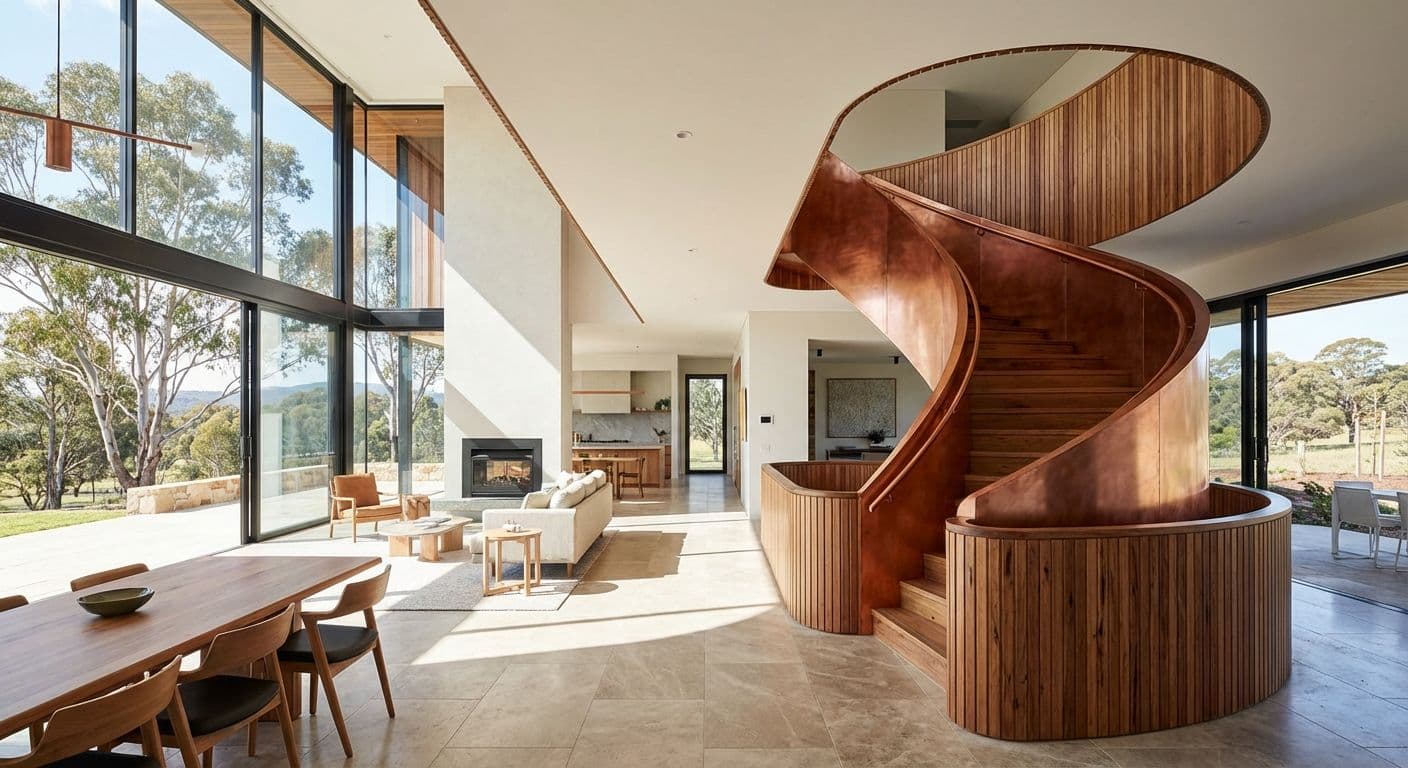
The primary reason for this discrepancy is the 'reproduction vs. replacement' conflict. An insurer’s algorithm may suggest replacing a damaged floor with 'high-quality timber.' However, for a luxury home, that floor might be hand-laid, end-matched European Oak parquetry that takes months to source and weeks to install. The algorithm sees timber; the reality is an irreproducible work of art.
Rare Materials: The Drivers of Escalating Costs in 2026
Materiality is the soul of luxury architecture, but in 2026, it is also the greatest source of cost volatility. Several key categories of materials are currently driving rebuild valuations into unprecedented territory:
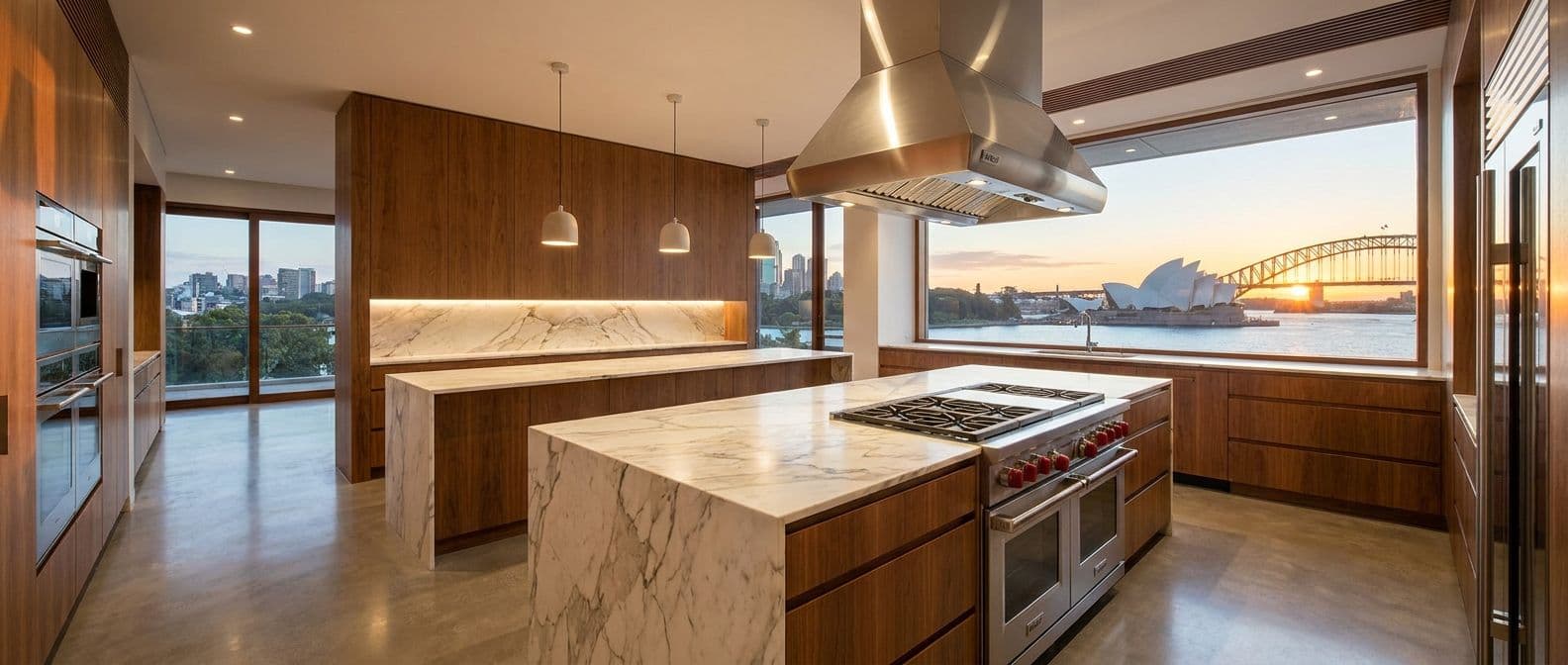
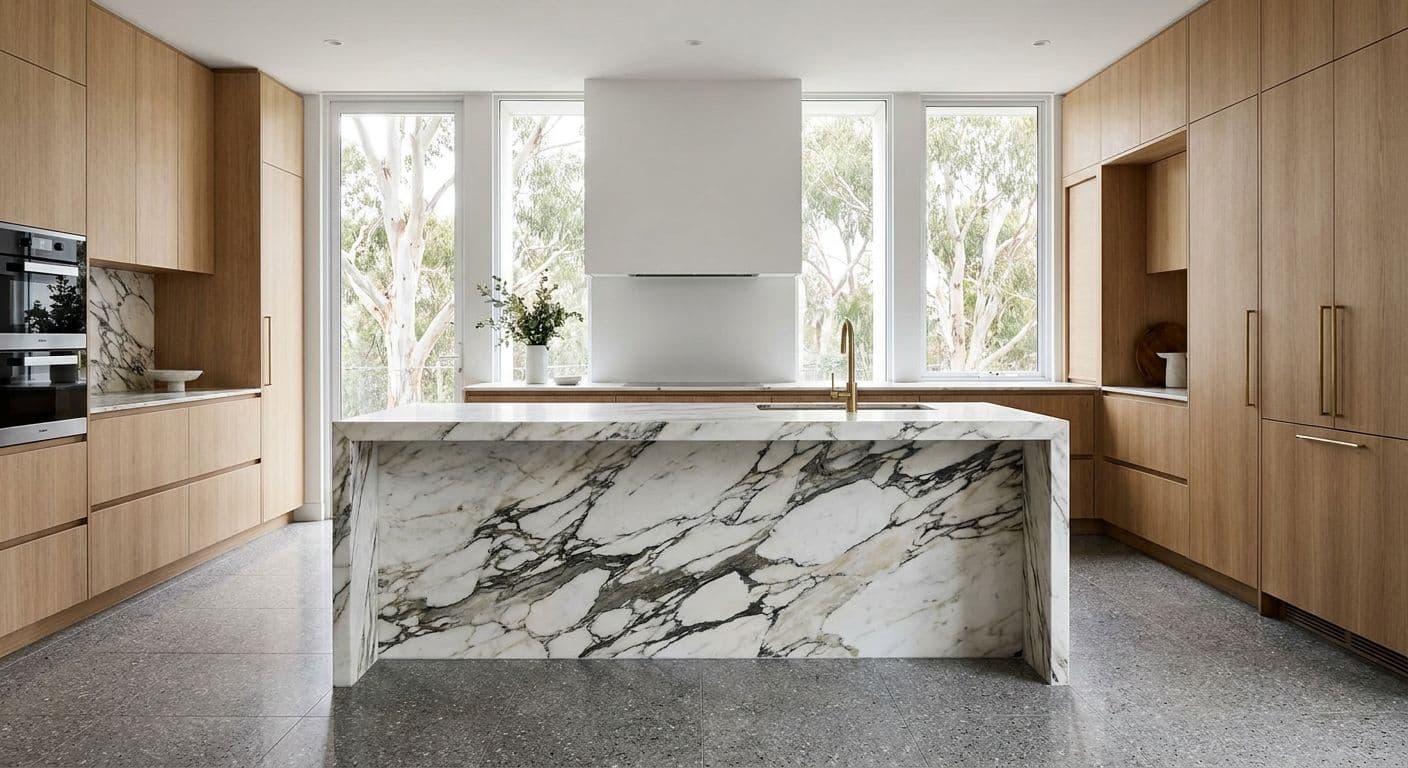
- Bespoke Natural Stone: Sourcing a single, flawless slab of Calacatta Borghini or Brazilian Quartzite involves global travel and high rejection rates. The cost is not just in the stone, but in the matching of veins across an entire room.
- Architectural Metals: Zinc, copper, and bronze cladding have become staples of Australian contemporary design. These materials are subject to global commodity price swings and require specialized fabricators who are increasingly rare.
- High-Performance Glazing: Modern Australian luxury homes prioritize seamless indoor-outdoor flow. This requires oversized, double- or triple-glazed panels, often curved, which must be imported from specialized factories in Europe or China at immense logistical expense.
When these materials are lost to fire, flood, or accident, the cost to procure them on short notice is often double the original purchase price due to the loss of bulk-ordering leverage and the immediate need for air-freight over sea-freight.
The Artisan Factor: The Hidden Cost of Specialized Labor
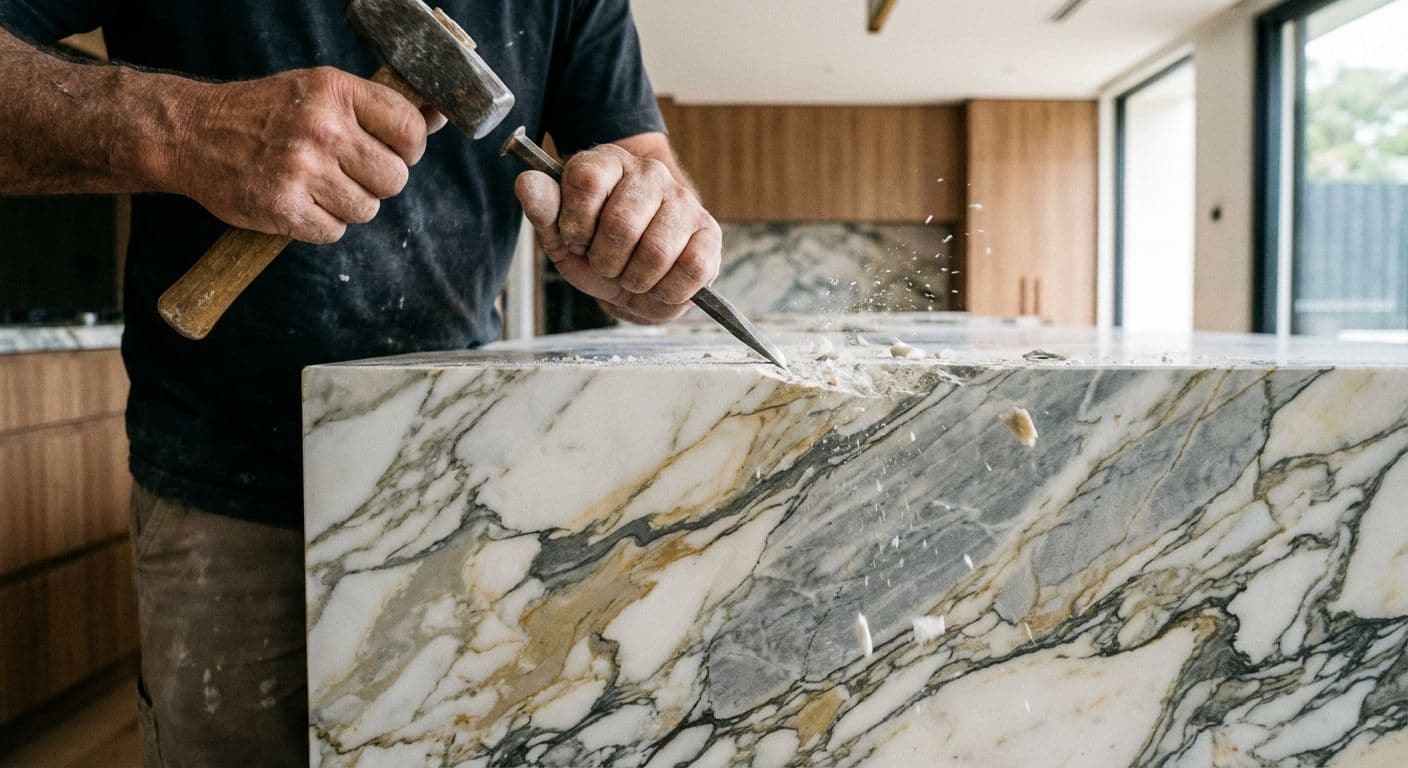
A luxury home is not just 'built'; it is 'crafted.' The Australian construction industry is currently facing a bifurcated labor market. While general trades are in high demand, master artisans—those capable of working with rare stones, complex joinery, or heritage-listed masonry—are a vanishing breed.
In a luxury rebuild, labor often accounts for a higher percentage of the total cost than in standard builds. For example, installing a standard porcelain tile might take a day; hand-fitting a book-matched marble wall can take weeks. In 2026, the premium for these specialized trades has risen as fewer young people enter traditional apprenticeships, creating a bottleneck that drives up 'waiting list' premiums and hourly rates.
Logistics and Local Constraints: The Australian Premium
Australia’s geography adds a unique layer of complexity to luxury rebuild valuations. Many of the nation’s most expensive homes are located on difficult sites: steep cliffs in Sydney’s Eastern Suburbs, remote bushland in the Adelaide Hills, or narrow heritage streets in Melbourne’s inner-south.
Rebuilding on these sites in 2026 involves significant 'soft costs' that standard valuations ignore:
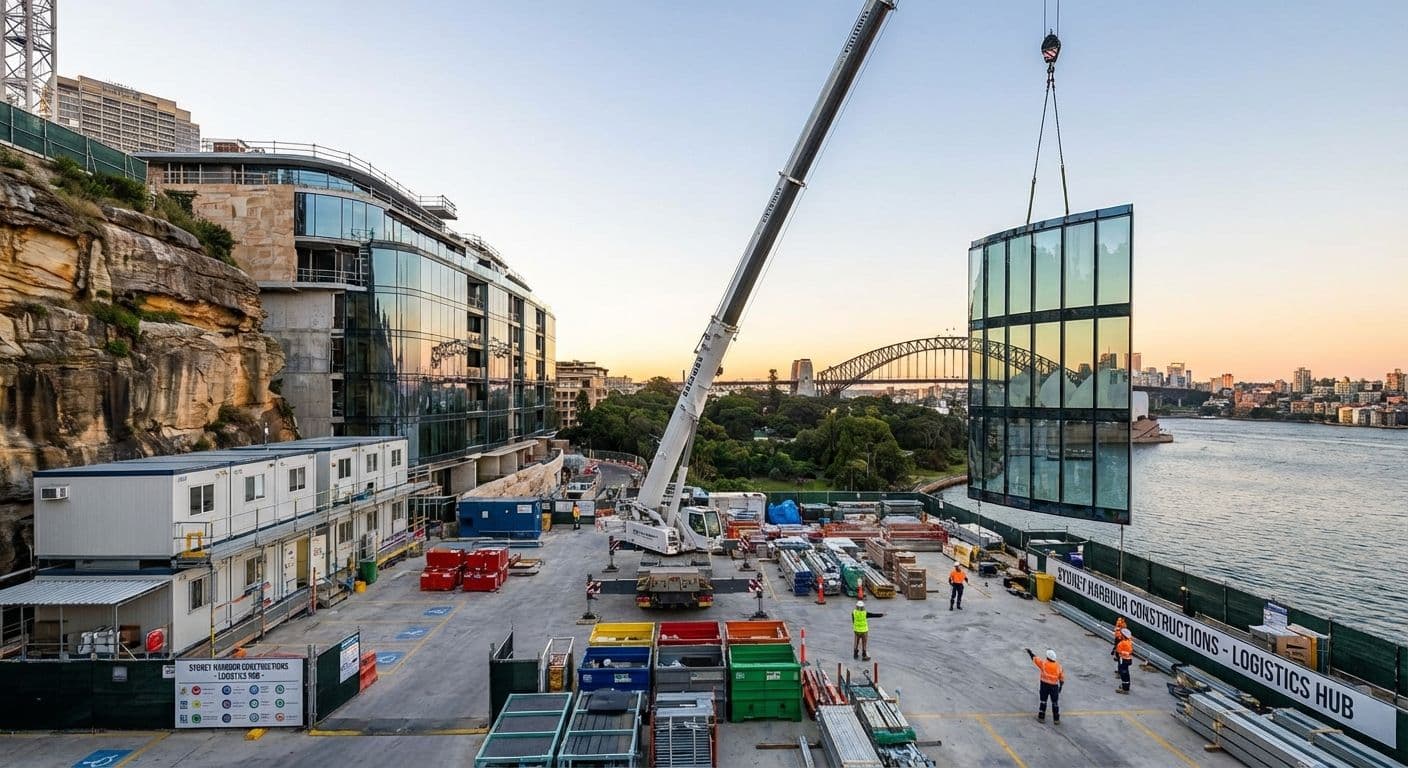
- Crane Access and Traffic Management: In suburbs like Mosman or New Farm, simply getting a crane on-site can cost tens of thousands in permits and specialized equipment.
- Environmental and Bushfire Compliance: New AS3959 standards for bushfire-prone areas require specific, high-cost materials (like BAL-FZ rated windows) that were not required when the original home was built.
- Heritage Overlays: Rebuilding a luxury home with a heritage facade requires specialized heritage consultants and materials that match 19th-century specifications, which are significantly more expensive than modern equivalents.
Economic Realities of 2026: Scarcity as the New Normal
As we move through 2026, the global economy has shifted toward a model of 'scarcity by design.' Sustainable sourcing requirements and geopolitical shifts mean that many high-end materials are no longer available at the push of a button. For the luxury homeowner, this means 'time' is a major cost factor. A rebuild that takes three years instead of one incurs massive costs in alternative accommodation, project management fees, and inflationary price hikes on materials not yet purchased.
Standard valuations often fail to index for this 'duration risk,' leaving owners with a shortfall when the actual rebuild timeline begins to stretch due to material lead times.
Strategic Management: Protecting Your Luxury Asset
To bridge the gap between standard valuation and luxury reality, owners must move beyond simple market appraisals. A multi-disciplinary approach is required to ensure the financial protection of the asset.
1. Quantity Surveyor Reinstatement Reports
Every luxury homeowner should commission a Quantity Surveyor (QS) who specializes in high-end residential property. Unlike a real estate agent, a QS provides a granular breakdown of every brick, slab of marble, and hour of labor required to rebuild the home from scratch. This report is the only credible document for setting insurance sums insured.
2. Agreed Value vs. Market Value
Standard 'Total Replacement' policies are dangerous for luxury builds because the insurer ultimately decides what 'replacement' means. An 'Agreed Value' policy, backed by a recent QS report, ensures that the insurer must pay out a specific dollar amount that reflects the true cost of rare materials and bespoke craftsmanship.
3. The Escalation Clause
In a volatile market, a valuation done today may be obsolete in twelve months. High-end policies should include an escalation clause—typically 10-15%—to account for inflation and material price surges that occur between the time of the loss and the completion of the rebuild.
Conclusion: The Future of Luxury Rebuilds
In 2026, the definition of luxury is increasingly tied to the 'irreplaceable.' Whether it is a heritage-listed sandstone facade in Sydney or a cutting-edge carbon-neutral estate in the Margaret River, these homes represent a level of complexity that standard financial models cannot capture. By understanding the rare material market, the artisan labor crisis, and the logistical hurdles unique to Australia, homeowners can ensure their architectural legacies are properly valued and protected against the unpredictable.
Frequently Asked Questions
Why is my market valuation different from my rebuild cost?
Market valuation focuses on land value and buyer demand, whereas rebuild cost (reinstatement) accounts for the current price of materials, specialized labor, and modern building codes. For luxury homes, the cost to replicate rare finishes often exceeds the market price of the existing structure.
How often should I update the valuation of a luxury home in 2026?
Given the volatility of rare material supply chains and the 5-8% annual escalation in specialized trade wages in Australia, luxury homeowners should seek a professional Quantity Surveyor report every 18 to 24 months.
Do standard insurance policies cover rare materials like imported marble?
Most standard 'off-the-shelf' policies have caps on finishes or use 'functional replacement' language, which replaces rare materials with common alternatives. Luxury rebuilds require 'Agreed Value' policies with specific riders for bespoke materials.
What are the most expensive materials in Australian luxury builds right now?
In 2026, the highest costs are driven by imported Italian stones (Calacatta, Arabescato), sustainably sourced old-growth Australian hardwoods, custom-extruded architectural bronze, and high-performance oversized curved glazing.
Related insights
Explore our cover

Andre LangHigh-value home insurance specialist
Andre Lang is a high-value home insurance specialist who advises owners of architecturally significant and high-net-worth Australian homes on protecting their property, fine art, and collections.