The Rise of the Multi-Generational Estate: Insurance for Expanded Family Compounds

By Andre Lang · High-value home insurance specialist
Last updated 10 January 2026
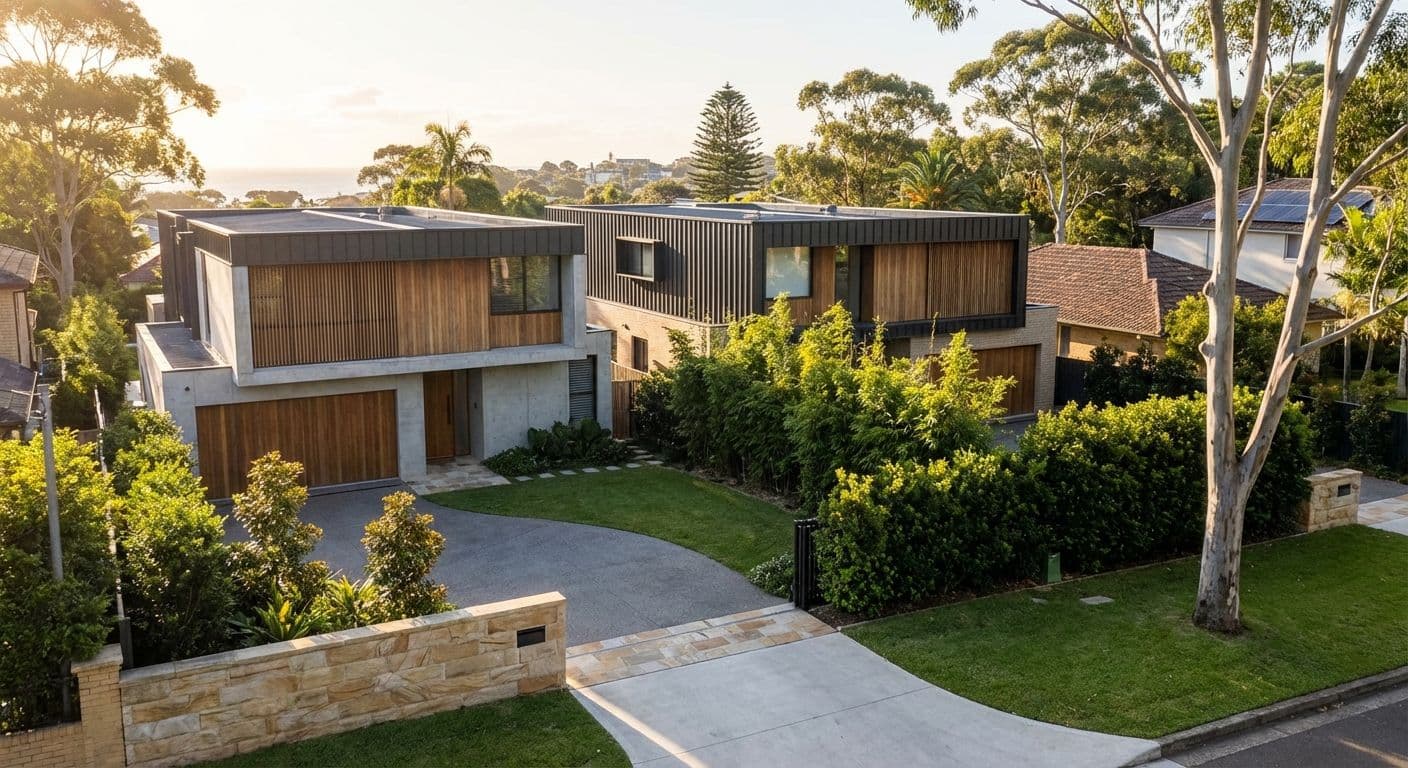
The Australian dream is undergoing a radical architectural and social transformation. As we move into 2026, the traditional quarter-acre block with a single family home is being replaced by the 'Family Compound'—a sophisticated, multi-generational estate designed to house parents, adult children, and grandparents on a single title. Driven by the surging prestige property market, the need for aged care solutions, and a desire for familial cohesion, these expanded estates represent a significant shift in how Australians live.
However, this shift brings with it a complex web of risk management and insurance challenges. Standard residential policies, built for the nuclear family of the 20th century, are often inadequate for the structural and liability demands of a multi-dwelling estate. To protect these significant investments, homeowners must look beyond basic coverage and towards bespoke insurance solutions that recognise the unique nature of the multi-generational compound.
The Drivers Behind the Compound Trend in 2026
Several factors have converged to make multi-generational living the preferred choice for affluent Australian families. Understanding these drivers is essential for identifying the specific risks associated with these properties.
- Economic Efficiency: Consolidating wealth into a single, high-value land asset allows families to leverage the growth of the prestige property market while sharing maintenance costs.
- The 'Bank of Mum and Dad': With property prices remaining high, parents are increasingly building secondary dwellings for their adult children rather than gifting deposits for separate homes.
- Aged Care Alternatives: Luxury 'granny flats' or integrated suites allow for dignified aging-in-place, keeping grandparents close to the family while maintaining independence.
- Lifestyle Integration: Compounds often feature shared amenities—resort-style pools, private gyms, and outdoor kitchens—that provide a level of luxury that would be unaffordable for separate smaller households.
Structural Risks: Beyond the Main House
One of the primary pitfalls in insuring a family compound is the 'under-insurance' of secondary structures. The evolving landscape of the prestige property market has necessitated a shift in how we view domestic risk. Most off-the-shelf policies have strict limits on 'outbuildings' or 'secondary dwellings'.
In a 2026-style compound, these aren't just garden sheds. They are fully-equipped, architecturally designed homes. If an insurer classifies a $500,000 secondary dwelling as a simple 'outbuilding,' the coverage may be capped at a fraction of its actual replacement value. A total loss event, such as a fire, could leave the family with a multi-hundred-thousand dollar shortfall.
Shared Infrastructure and Landscaping
Multi-generational estates often feature extensive shared infrastructure that sits between dwellings. This includes sophisticated irrigation systems, private gates, shared solar arrays, and high-end security networks. Standard policies often fail to clearly define who is responsible for these assets or how they are valued, leading to disputes during the claims process.
Liability: A Multi-Layered Challenge
When multiple families reside on one property, the lines of liability blur. Public liability insurance is designed to protect the property owner if someone is injured on the premises. However, in a compound, the 'visitor' might be a guest of the adult child living in the secondary dwelling, rather than the primary policyholder.
Consider the following liability scenarios unique to expanded estates:
- Domestic Staff: Compounds often require gardeners, cleaners, or even in-home carers for elderly residents. This increases the risk of workplace injuries on private property.
- Shared Recreational Assets: A slip and fall at the shared swimming pool or an injury in the private gym can lead to significant legal claims.
- Inter-Family Disputes: While uncomfortable to contemplate, legal liability between family members (e.g., a child’s dog biting a grandparent) can complicate insurance claims if the policy isn't structured to cover multiple resident parties.
Contents and High-Value Assets
The sheer volume of contents in a multi-generational estate can easily exceed $1 million. When you combine the antique furniture of the grandparents, the high-end technology of the adult children, and the primary owners' art collection, the total sum insured can quickly outpace standard policy limits.
In 2026, many families are also sharing high-value portable assets, such as electric vehicles, boats, or shared wine cellars. It is critical to determine whether these items are covered under a single 'Estate' policy or if each household requires separate coverage for their specific belongings. A 'Master Policy' approach is often the most efficient way to ensure no gaps exist between the various dwellings.
Navigating Business Use on the Compound
The rise of remote work has evolved into the 'on-site business' trend. Many family compounds now include dedicated home offices or studios where family members operate professional consultancies or creative businesses. Most residential insurance policies specifically exclude coverage for any part of the property used for business purposes.
If a fire starts in a secondary dwelling due to a faulty piece of office equipment, and the insurer was not aware the space was being used as a business, they may deny the entire claim. Transparency is vital. Homeowners must ensure their broker has noted any professional activities occurring within the compound to secure the appropriate endorsements.
Risk Management Strategies for the Modern Estate
Protecting a multi-generational estate requires a proactive approach to risk management. Here is how sophisticated owners are securing their compounds in 2026:
- Comprehensive Valuation: Engage a professional quantity surveyor to value all structures on the property, including fences, pools, and secondary dwellings, every two years.
- Integrated Security: Deploy a single, property-wide security and fire monitoring system that covers all dwellings and reports to a central hub.
- Legal Agreements: Use 'Granny Flat Agreements' or formal family covenants to define ownership and maintenance responsibilities. These documents can be invaluable when clarifying 'insurable interest' to an insurance company.
- Annual Insurance Review: As the family dynamic changes (e.g., a child moving out, a new business starting), the insurance policy must be adjusted immediately to reflect the new risk profile.
The Role of the Specialist Insurance Broker
Insuring a family compound is not a 'set and forget' task. It requires a deep understanding of the family’s lifestyle, the architectural specifics of the site, and the legal nuances of multi-generational living. A specialist broker can access the 'High Net Worth' (HNW) insurance market, which offers more flexible wording and higher limits than the general retail market.
These HNW policies often include 'Worldwide Personal Liability,' which protects family members even when they are away from the estate, and 'Extended Replacement Cost' coverage, which protects against the surging costs of construction materials and labour—a common issue in the 2026 market.
Conclusion
The rise of the multi-generational estate is a testament to the resilience and adaptability of the Australian family. These compounds offer unparalleled lifestyle benefits, but they also demand a more sophisticated approach to protection. By moving away from basic home insurance and embracing tailored, multi-dwelling solutions, families can ensure that their shared legacy is protected for generations to come.
Frequently Asked Questions
Can I insure multiple dwellings on one property under a standard home insurance policy?
Generally, no. Most standard policies are designed for a single primary residence. Multi-generational estates with secondary dwellings or 'granny flats' often require a tailored 'Multi-Dwelling' or 'High Net Worth' policy to ensure all structures, including shared infrastructure, are fully covered.
How does multi-generational living affect public liability insurance?
Liability becomes more complex with more people living on-site. You must ensure your policy covers all residents and that the limit of indemnity is sufficient to account for the increased foot traffic and potential for accidents in shared areas like pools or gyms.
Does my insurance cover a family member running a business from a secondary dwelling?
Standard residential policies often exclude business activities. If a family member is operating a business from the compound, you must notify your insurer to add an extension or take out a separate business insurance policy to avoid voiding your coverage.
What is the 'Insurance Gap' in multi-generational estates?
The insurance gap refers to the shortfall between a standard policy's limits and the actual replacement cost or liability risk of an expanded estate. This often occurs when homeowners fail to update their policies after adding dwellings or when communal assets are not properly inventoried.
Related insights
Explore our cover

Andre LangHigh-value home insurance specialist
Andre Lang is a high-value home insurance specialist who advises owners of architecturally significant and high-net-worth Australian homes on protecting their property, fine art, and collections.