Landscaping as an Asset: Protecting Multimillion-Dollar Outdoor Living Spaces

By Andre Lang · High-value home insurance specialist
Last updated 22 January 2026
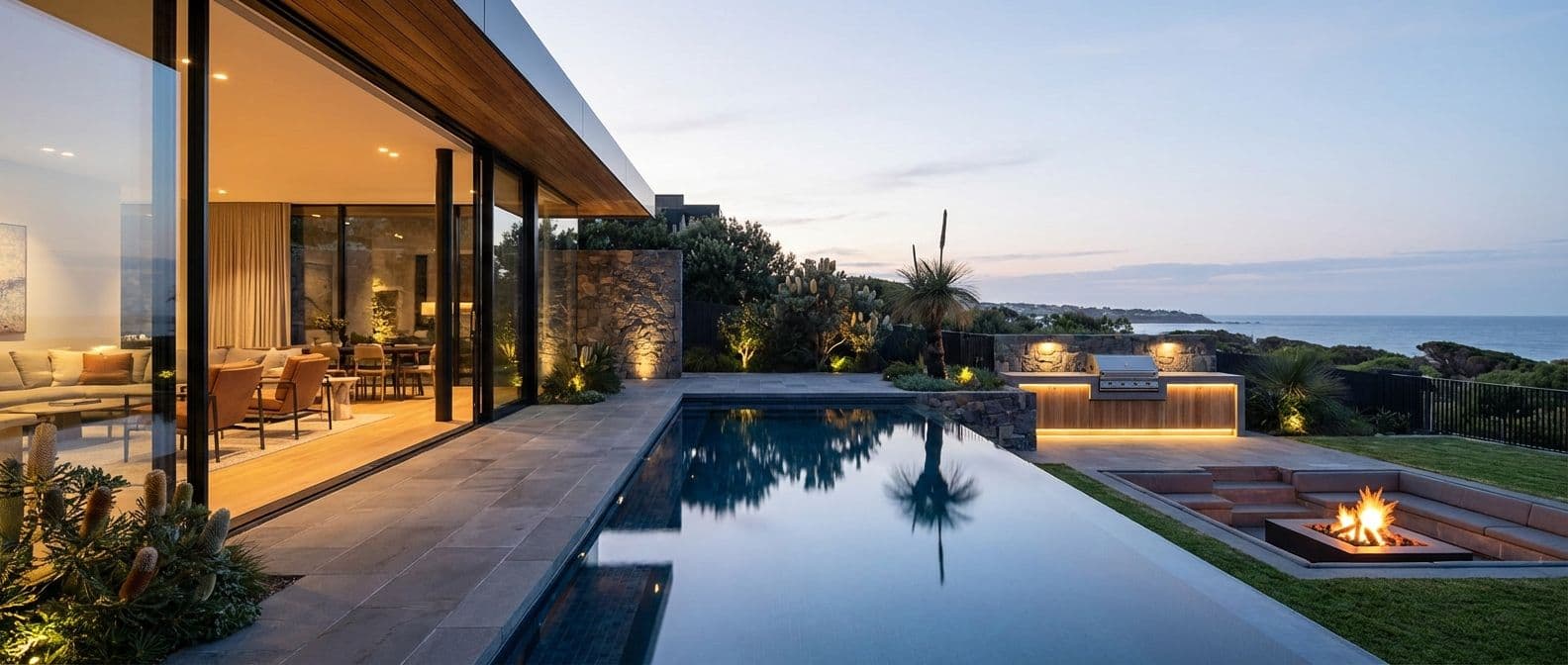
In the contemporary Australian prestige property market, the boundary between the interior and exterior of a home has effectively vanished. No longer considered a mere 'garden', the outdoor environment of a multimillion-dollar estate is now a sophisticated, engineered asset that demands the same level of strategic management as the primary residence. As we move through 2026, the valuation of high-end landscaping has reached unprecedented heights, reflecting its role as a central pillar of lifestyle and financial value.
The Evolution of Landscaping into a High-Value Asset
Historically, landscaping was often the final and sometimes neglected phase of a residential build. Today, for properties in Australia’s most exclusive enclaves—from the clifftops of Sydney’s Eastern Suburbs to the expansive estates of the Mornington Peninsula—the landscape is often the first thing a valuer or prospective buyer considers. A well-executed outdoor living space is not just an aesthetic choice; it is a complex infrastructure project involving civil engineering, advanced horticulture, and bespoke architectural design.
The financial weight of these projects is significant. It is not uncommon for landscaping budgets for luxury homes to exceed $1 million, with some landmark projects climbing toward $5 million. These investments cover everything from infinity-edge pools and fully equipped outdoor kitchens to rare, mature specimen trees that have been craned onto the site at a cost of tens of thousands of dollars each.
Why Landscaping Drives Premium Valuations
The 'lifestyle premium' is a well-documented phenomenon in Australian real estate. Properties that offer a seamless indoor-outdoor flow consistently outperform those that do not. In a post-pandemic world, the desire for private, resort-style sanctuaries has intensified. A high-end landscape serves several critical functions that drive value:
- Expansion of Livable Square Meterage: Outdoor rooms, lounges, and kitchens effectively increase the usable floor area of the property.
- Privacy and Seclusion: Strategic planting and 'green walls' provide essential privacy in high-density luxury suburbs.
- Microclimate Control: Intelligent landscaping can reduce home cooling costs by providing natural shade and windbreaks.
- Aesthetic Continuity: It completes the architectural vision of the home, ensuring the property feels cohesive and curated.
Quantifying the Components of a Luxury Landscape
To protect an asset, one must first understand its components. A multimillion-dollar outdoor space is comprised of several high-cost elements that each require specific maintenance and protection strategies.
Hardscaping and Civil Works
This includes the 'bones' of the garden: retaining walls, drainage systems, bespoke paving (such as imported travertine or locally sourced bluestone), and structural elements like pergolas and pavilions. In steep coastal areas, the civil engineering required to stabilise a site for an infinity pool can often represent half of the total landscaping cost.
Specialist Horticulture
The plants themselves are significant investments. Mature Dragon Trees (Dracaena draco), ancient Olive trees, or large-scale Wollemi Pines are not easily replaced. The value of these specimens increases with age, making them 'appreciating assets' that require expert care to prevent loss due to disease or environmental stress.
Smart Systems and Integration
Modern luxury gardens are 'smart'. They feature automated irrigation systems that respond to real-time weather data, sophisticated LED lighting schemes that can be controlled via smartphone, and integrated security systems. These technical components are vulnerable to power surges and technological obsolescence.
Identifying and Mitigating Risks
The very nature of landscaping—being exposed to the elements—makes it one of the most vulnerable parts of a luxury estate. In Australia, several key risks stand out as we navigate the mid-2020s.
Extreme Weather and Climate Volatility
Whether it is the torrential rains of a La Niña cycle or the searing heat and drought of El Niño, the Australian climate is unforgiving. High-value outdoor spaces are at risk from flash flooding, which can wash away expensive topsoil and damage drainage systems, or extreme hail that can shred rare foliage and damage glass pool fencing.
Biological Threats
Pests and diseases can move through a high-end garden with devastating speed. For example, Myrtle Rust or specialized root rot can kill off a curated collection of native plants within weeks. Regular inspections by qualified arborists are essential to detect these threats early.
Inadequate Maintenance
Perhaps the most common risk is the 'slow decline' caused by subpar maintenance. A garden of this calibre cannot be managed by a casual lawn-mowing service. It requires a dedicated team that understands the specific needs of each species, the calibration of irrigation systems, and the preservation of high-end materials like natural stone and bespoke timber.
The Insurance Gap: Why Standard Policies Fail
One of the most critical oversights made by owners of multimillion-dollar properties is assuming their standard home insurance policy provides adequate cover for their landscaping. This is rarely the case.
Standard 'off-the-shelf' policies often include landscaping as an afterthought, with sub-limits that are woefully inadequate for high-value estates. It is common to see limits capped at $10,000 or $20,000 for all outdoor trees, shrubs, and plants. If a storm destroys a line of mature Pencil Pines that provided essential privacy, the cost of sourcing, transporting, and planting replacements of a similar size could easily exceed $100,000—leaving the owner with a significant financial shortfall.
The Solution: Specialist High-Value Home Insurance
Specialist insurers catering to the prestige market offer 'Landscaping, Plants, and Trees' coverage that reflects the actual value of the asset. Key features of these policies include:
- Higher Sub-Limits: Coverage that can be tailored to the specific value of the landscape, often starting at $100,000 and reaching into the millions.
- Replacement with Similar Maturity: A commitment to replacing lost trees with specimens of a similar size and maturity, rather than small saplings.
- Coverage for Structural Landscaping: Explicit protection for walls, gates, fences, and outdoor lighting against a wide range of perils.
- Debris Removal: Covering the significant cost of removing fallen trees or damaged structures after a major weather event.
Best Practices for Protecting Your Landscape Investment
To ensure your outdoor living space remains an appreciating asset, a proactive management approach is required. Consider the following steps as part of your asset protection strategy for 2026.
1. Document and Value the Asset
Maintain a 'Landscape Portfolio'. This should include the original design plans, a list of all plant species (including their age and size at planting), and receipts for all hardscaping works. High-quality photography and drone footage can be invaluable when filing an insurance claim.
2. Professional Maintenance Contracts
Engage a specialist landscape management firm. These firms do more than weed and prune; they monitor soil health, calibrate smart irrigation systems, and provide seasonal nutrition plans for high-value flora. Their detailed records also serve as proof to insurers that the asset was being maintained to a high standard.
3. Periodic Arborist Audits
For estates with mature trees, an annual or biennial audit by a qualified arborist is essential. They can identify structural weaknesses in trees that might pose a risk to the home during a storm, as well as early signs of pest infestation.
4. Resilience-Focused Upgrades
As climate patterns shift, consider upgrading your landscape's resilience. This might include installing a greywater recycling system to ensure your garden thrives during water restrictions, or adding surge protection to your outdoor lighting and automation hubs.
The Future of Luxury Outdoor Spaces
Looking ahead, the trend in luxury landscaping is moving toward 'Ecological Opulence'. This involves using native, biodiverse plantings to create resilient ecosystems that require less chemical intervention while providing a high-end, architectural look. These gardens are often more hardy than traditional formal European gardens, making them a lower-risk investment in the long term.
Ultimately, the value of a multimillion-dollar outdoor space lies in its ability to provide a serene, private, and beautiful environment that stands the test of time. By treating the landscape as a core financial asset—and protecting it with the appropriate maintenance and insurance—homeowners can ensure that their 'private sanctuary' remains a source of both enjoyment and significant equity for decades to come.
Frequently Asked Questions
How much does high-end landscaping typically add to an Australian property's value?
While it varies by region, real estate experts in the Australian luxury market suggest that a professionally designed and well-maintained landscape can add between 15% and 25% to the total property value. In high-demand suburbs like Toorak or Vaucluse, this can equate to millions of dollars in added equity.
Does standard home insurance cover expensive mature trees and hardscaping?
Standard policies often have very low sub-limits for landscaping, sometimes capped as low as $5,000 to $20,000. For multimillion-dollar outdoor spaces, these limits are vastly inadequate. Specialist high-value home insurance is usually required to cover the full replacement cost of specimen trees, civil works, and bespoke outdoor structures.
What are the biggest risks to luxury landscapes in 2026?
The primary risks include extreme weather events (such as intense storms and hail), prolonged drought, specialist pests or diseases affecting rare flora, and bushfire in peri-urban areas. Additionally, poor maintenance of complex irrigation and lighting systems can lead to rapid asset depreciation.
How often should a luxury landscape be professionally appraised?
It is recommended to have your landscaping appraised every 2-3 years, or immediately following significant additions. This ensures that your insurance coverage remains aligned with the current market value and replacement costs of mature plantings and structural elements.
Related insights
Explore our cover

Andre LangHigh-value home insurance specialist
Andre Lang is a high-value home insurance specialist who advises owners of architecturally significant and high-net-worth Australian homes on protecting their property, fine art, and collections.