High Value Home
Insurance
Precise valuations, agreed replacement costs, and bespoke coverage engineered for Australian properties where standard policies fall dangerously short.
What Makes a Home 'High Value' in Insurance Terms?
In insurance terms, a high-value home is one whose true rebuild cost, usually above $3 million in Australia, exceeds what standard policies are designed to cover. These homes use bespoke materials, architectural detailing and specialist trades that generic square-metre rates underestimate, which is why they need agreed valuations and guaranteed replacement-cost cover.
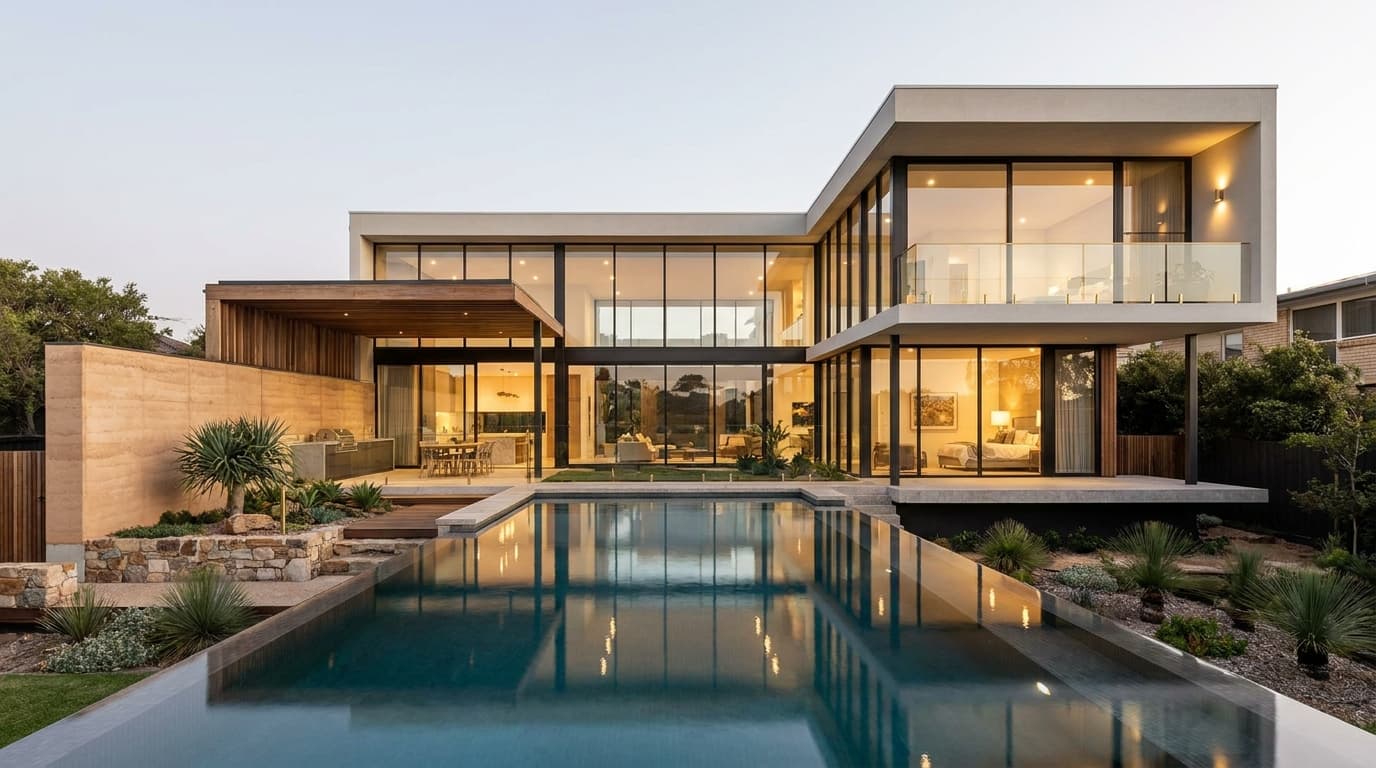
In the Australian insurance market, a high value home is generally defined as a property with a total rebuild cost exceeding $3 million. However, the classification is not purely about dollar figures. Insurers consider the complexity of the build, the specification of materials, the architectural uniqueness, and the degree to which a property would be difficult to replicate using standard construction methods. A heritage-listed sandstone residence in Woollahra, a contemporary architectural masterpiece cantilevered over a Noosa cliff face, and a sprawling pastoral homestead with century-old craftsmanship all qualify as high value homes, each for different reasons.
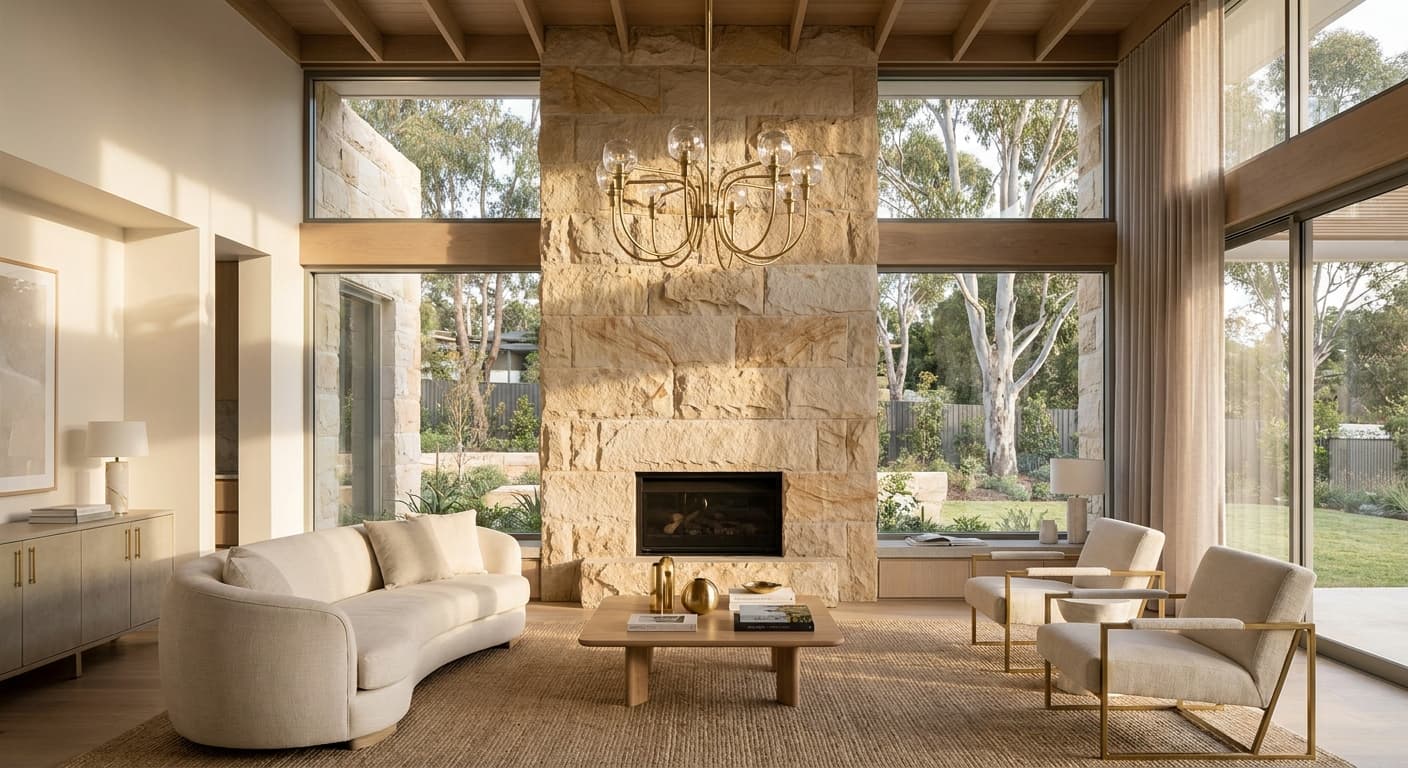
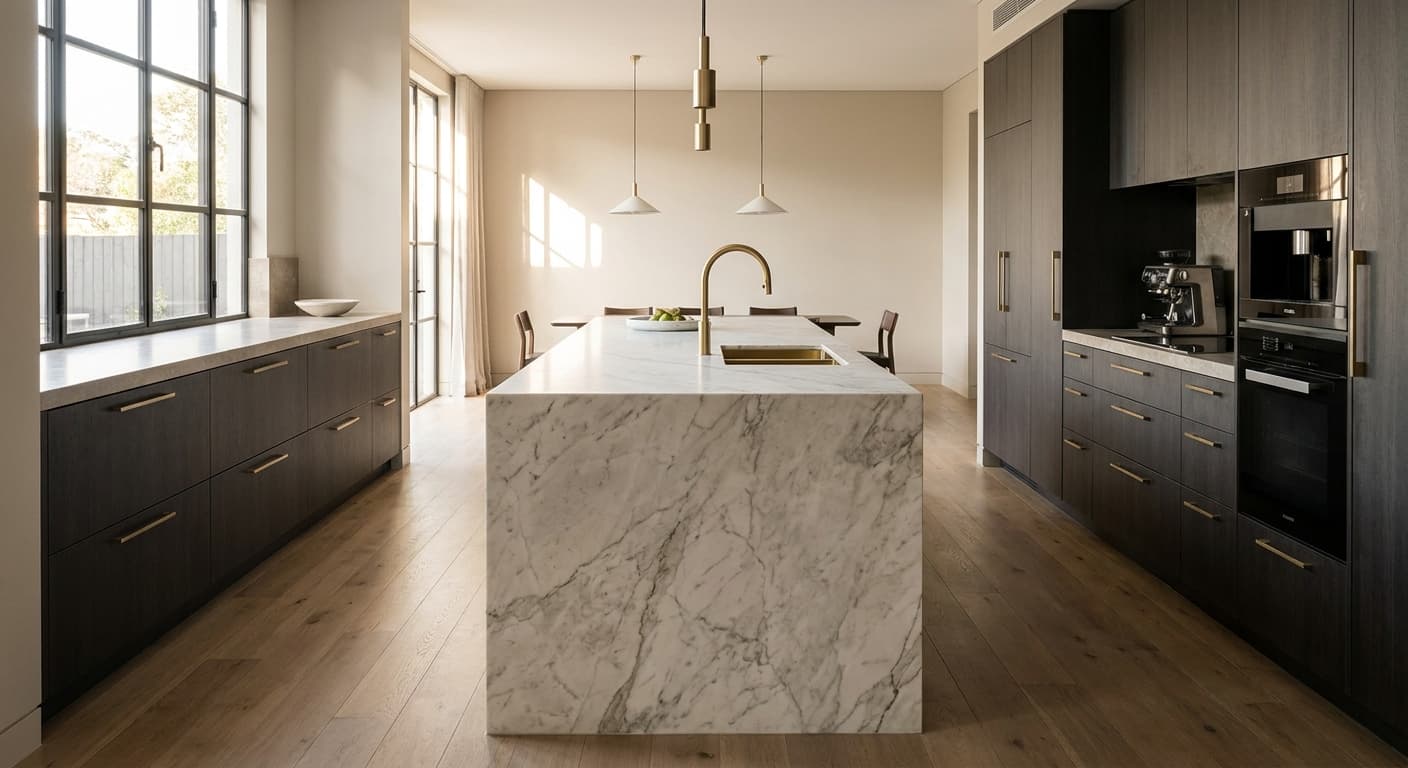
Standard home insurance policies are designed around the assumption that your home can be rebuilt using readily available materials, standard trades, and conventional construction methods. When your property features imported Italian marble, hand-forged ironwork, bespoke joinery, or structural engineering that required specialised design, those assumptions break down entirely. The gap between what a standard policy will pay and what it actually costs to restore your home to its original specification can be hundreds of thousands of dollars, sometimes millions.
High value home insurance exists to close that gap. It is a specialised product class offered by a small number of underwriters who understand the true cost of rebuilding exceptional properties. These policies are underwritten on the basis of detailed property information, professional valuations, and an understanding that your home is not a commodity but a unique asset that demands a tailored approach to risk transfer.
At Luxury Cover, we work exclusively in this space. Our brokers understand the nuances of high value property insurance because it is all we do. We know which insurers have the appetite, the claims capability, and the policy wordings that genuinely protect properties at this level, and we know which ones merely market themselves as specialists without the substance to back it up.
- Properties with total rebuild costs exceeding $3 million, including site works, landscaping, and ancillary structures
- Homes featuring bespoke architectural design, heritage construction, or materials that cannot be sourced through standard building suppliers
- Residences where the land value, location, or regulatory environment creates unique rebuilding challenges not contemplated by standard policies
- Properties with integrated high-value contents such as wine cellars, home automation systems, or purpose-built art display spaces
The Underinsurance Crisis in High Value Homes
Underinsurance happens when a sum insured is set by a generic calculator rather than the real cost to rebuild to original specification. After sharp rises in construction and materials costs, many high-value homes are now insured well below replacement value, leaving owners to fund the shortfall. A professional rebuild assessment and agreed valuation close that gap.
Industry data consistently shows that approximately 80% of high value homes in Australia are underinsured, many of them significantly so. The consequences of underinsurance are severe: when a major loss occurs, the shortfall between your sum insured and the actual rebuild cost comes directly from your own resources. For a $5 million property underinsured by 30%, that shortfall is $1.5 million. We have seen clients come to us after catastrophic events where their previous insurer's payout covered barely half the cost of faithful restoration.
The root cause of underinsurance in the high value segment is the way sum insured figures are established. Most homeowners, even sophisticated ones, rely on online calculators or rough estimates based on per-square-metre rates. These tools are designed for standard residential construction and are wholly inadequate for properties with premium specifications. A standard residential build might cost $2,500 to $3,500 per square metre. A high-specification home with premium finishes, complex engineering, and bespoke materials can easily cost $8,000 to $15,000 per square metre, or even more for truly exceptional builds.
Building cost inflation compounds the problem year after year. Since 2020, construction costs in Australia have risen dramatically, with premium materials and specialised trades experiencing even steeper increases than the general market. If your sum insured was accurate three years ago and has not been reviewed, it is almost certainly inadequate today. The cost of importing European stone, commissioning custom metalwork, or engaging heritage restoration specialists has outpaced general construction inflation by a significant margin.
Underinsurance also triggers proportional reduction clauses, sometimes called averaging clauses, in many policies. If your home is insured for $4 million but the true replacement cost is $6 million, some insurers will reduce even partial claims proportionally. A $600,000 kitchen fire claim could be reduced by one-third, paying only $400,000, because you were underinsured by one-third overall. This mechanism catches many high value homeowners completely off guard at the worst possible moment.
- Approximately 80% of Australian high value homes carry insufficient sum insured figures, with the average shortfall exceeding 25%
- Online building calculators typically underestimate high-specification rebuild costs by 40% to 60% because they do not account for bespoke materials, complex engineering, or heritage compliance
- Building cost inflation for premium residential construction has outpaced standard residential indices by 15% to 25% since 2020
- Averaging clauses in many policies mean that underinsurance reduces payouts on all claims, not just total losses
- Council regulations, heritage overlays, and updated building codes can add 20% or more to rebuild costs that are rarely factored into sum insured calculations
Coverage Engineered for High Value Properties
Agreed Value Cover
The cornerstone of high value home insurance is agreed value cover, where your sum insured is established through a professional valuation process and contractually agreed with the insurer at policy inception. Unlike standard sum insured policies where the insurer can dispute the rebuild cost at claim time, agreed value means the insurer has accepted the valuation figure and will pay up to that amount without applying averaging or underinsurance penalties. We facilitate the valuation process with qualified quantity surveyors who specialise in high-specification residential properties, ensuring the agreed figure reflects the true cost of faithful restoration including demolition, site remediation, council compliance, professional fees, and escalation allowances.
Extended Replacement Cost
Even with a carefully established sum insured, unforeseen circumstances can push rebuild costs beyond the agreed figure. Extended replacement cost provisions add a buffer, typically 25% to 50% above your sum insured, to cover cost overruns caused by unexpected council requirements, material price spikes, supply chain disruptions, or the discovery of latent site conditions during rebuilding. For a $5 million property, this could mean an additional $1.25 million to $2.5 million of protection. This feature is rare in standard policies but is a critical safeguard for high value homes where rebuild projects are inherently more complex and more susceptible to cost escalation.
Matching Sets and Pairs
When damage occurs to part of a set, pair, or suite of items in a high value home, the cost of proper restoration extends far beyond simply replacing the damaged elements. If fire damages three of twelve hand-carved heritage timber doors, matching the patina, grain, and craftsmanship of the originals may require all twelve to be remade. If a burst pipe ruins half the imported porcelain floor tiles in your entertaining area and those tiles are no longer manufactured, the entire floor needs replacement to maintain visual and material consistency. Matching sets and pairs coverage ensures the insurer pays for aesthetic and material consistency across the affected area, not just the minimum cost to repair the physically damaged components.
Comprehensive Temporary Accommodation
When a high value home suffers a major insured event, the rebuild timeline is typically measured in years rather than months. Complex architectural designs, heritage approvals, custom material procurement, and specialist trade availability all extend the project duration well beyond what standard residential rebuilds require. High value home insurance provides temporary accommodation allowances that reflect the standard of living you maintain, covering rental of comparable properties for the full duration of the rebuild. This includes allowances for storage of contents, relocation of household staff, temporary security arrangements, and the additional costs associated with maintaining your lifestyle during what can be a prolonged and disruptive period.
How We Protect You
Comprehensive Property Assessment
We begin with a detailed review of your property, examining architectural plans, construction specifications, and any unique features that influence rebuild cost. Our brokers assess the full scope of risk including location-specific exposures, council and heritage requirements, ancillary structures, and site access constraints that would affect a rebuild. This assessment identifies the key risk factors that standard policies routinely miss.
Professional Valuation Coordination
We coordinate a professional rebuild cost assessment with qualified quantity surveyors who specialise in high-specification residential properties. This is not a desktop estimate but a detailed analysis of your home's construction, materials, and finishes, producing a defensible replacement cost figure that accounts for demolition, site works, professional fees, council compliance, and an appropriate escalation allowance for construction cost inflation over the anticipated rebuild period.
Market Placement and Negotiation
Armed with a precise understanding of your property and its valuation, we approach the specialist high value home insurers operating in the Australian market. We negotiate not just on premium but on the policy terms that matter most at claim time: agreed value endorsements, extended replacement cost percentages, matching clauses, temporary accommodation limits, and the removal of restrictive sub-limits that can erode coverage when you need it most.
Ongoing Valuation Management
High value home insurance is not a set-and-forget product. Building costs change, renovations alter risk profiles, and policy terms evolve across renewal cycles. We proactively manage your sum insured through annual reviews, coordinate updated valuations at appropriate intervals, and benchmark your policy terms against current market offerings to ensure your coverage keeps pace with the true replacement cost of your home year after year.
Frequently Asked Questions
How is the sum insured calculated for a high value home?
The sum insured for a high value home should be established through a professional replacement cost assessment conducted by a qualified quantity surveyor with experience in high-specification residential properties. This assessment accounts for the full cost of demolition and site clearance, rebuilding to the original architectural specification using equivalent materials and construction methods, all professional fees including architects, engineers, and project management, council and regulatory compliance costs, landscaping and ancillary structures, and an escalation allowance for construction cost inflation over the anticipated rebuild period. Online calculators and per-square-metre estimates are unreliable for high value homes because they do not capture the cost of bespoke materials, complex engineering, heritage compliance, or the specialist trades required for faithful restoration. We recommend a full professional valuation at policy inception and updated assessments every three to five years, with interim adjustments for renovations or significant market movements in building costs.
What is the difference between agreed value and sum insured policies?
A sum insured policy sets a maximum payout limit, but the insurer retains the right to assess the actual rebuild cost at the time of a claim. If the insurer determines the rebuild cost is less than your sum insured, they pay the lower figure. Conversely, if you are underinsured, averaging clauses may reduce your payout proportionally. An agreed value policy fundamentally changes this dynamic. The insurer reviews and accepts your declared rebuild cost at policy inception, typically supported by a professional valuation. In the event of a total loss, the insurer pays the agreed amount without re-assessing the rebuild cost or applying underinsurance penalties. For high value homes, agreed value cover provides certainty and eliminates the risk of disputes over rebuild costs during what is already an extremely stressful period. Not all insurers offer genuine agreed value for high value residential properties, and the specific terms vary between providers, so careful policy comparison is essential.
How often should I update my property valuation?
We recommend a comprehensive professional valuation every three to five years as a baseline, with interim reviews triggered by specific events. Any significant renovation, extension, or upgrade should prompt an immediate reassessment. Material changes in building costs, as we have seen since 2020 with construction cost inflation significantly outpacing general CPI, also warrant bringing forward your next valuation. Between formal valuations, your broker should apply an annual indexation factor to your sum insured that reflects movements in premium residential construction costs, not general residential building indices. The cost of a professional valuation for a high value property typically ranges from $3,000 to $8,000 depending on the property's size and complexity. This is a modest investment compared to the potential shortfall from underinsurance, which can run into hundreds of thousands or millions of dollars on a high value property.
What risks are unique to insuring high value properties?
High value properties face several risk factors that standard policies are not designed to address. Bespoke materials and finishes that are difficult or impossible to source create replacement challenges that extend timelines and increase costs. Heritage and conservation overlays impose rebuilding constraints that add significant expense and complexity. Complex architectural designs often require the original architect or a specialist firm to manage reconstruction, adding professional fees that standard allowances do not cover. Location-specific risks such as coastal erosion, bushfire-prone land, or flood-affected areas may interact with premium construction to create compounding exposures. Extended rebuild timelines, often two to four years for complex high value homes, create prolonged periods of temporary accommodation need and increase exposure to further cost escalation during the build. Finally, high value properties often contain integrated high-value items such as wine cellars, home automation systems, and bespoke cabinetry that blur the line between building and contents cover, requiring careful policy structuring to avoid coverage gaps.
Why can't I just use a standard home insurance policy with a higher sum insured?
Simply increasing the sum insured on a standard home insurance policy does not address the fundamental coverage gaps that high value homes face. Standard policies contain sub-limits on categories such as landscaping, retaining walls, swimming pools, and temporary accommodation that become grossly inadequate for high value properties. They typically exclude or severely limit cover for matching sets and pairs, meaning partial damage to premium finishes may not be restored to a consistent standard. Claims handling on standard policies follows processes designed for straightforward residential repairs, with panel builders and standard material specifications that are inappropriate for bespoke properties. Standard policies also lack provisions for extended replacement cost, agreed value endorsements, and the professional fee allowances needed for complex rebuilds involving architects, heritage consultants, and specialist project managers. A specialist high value home insurance policy is purpose-built around the realities of insuring and restoring exceptional properties, with policy wordings, claims processes, and underwriting expertise that a standard residential product simply does not offer.
Explore Our Solutions
Luxury Home Insurance
Bespoke coverage for Australian properties over $3M with premium finishes, architectural significance, and complex construction.
Mansion Insurance
Complete estate and grounds protection for Australia's grandest properties, including ancillary structures, staff quarters, and extensive landscaping.
Jewellery Insurance
Worldwide unspecified cover for precious items and collections, with agreed valuations and no requirement to store in a safe.
Protect Your Most Valuable Asset
Let our specialist brokers conduct a comprehensive valuation review and secure agreed value coverage that genuinely reflects what your home would cost to faithfully restore.