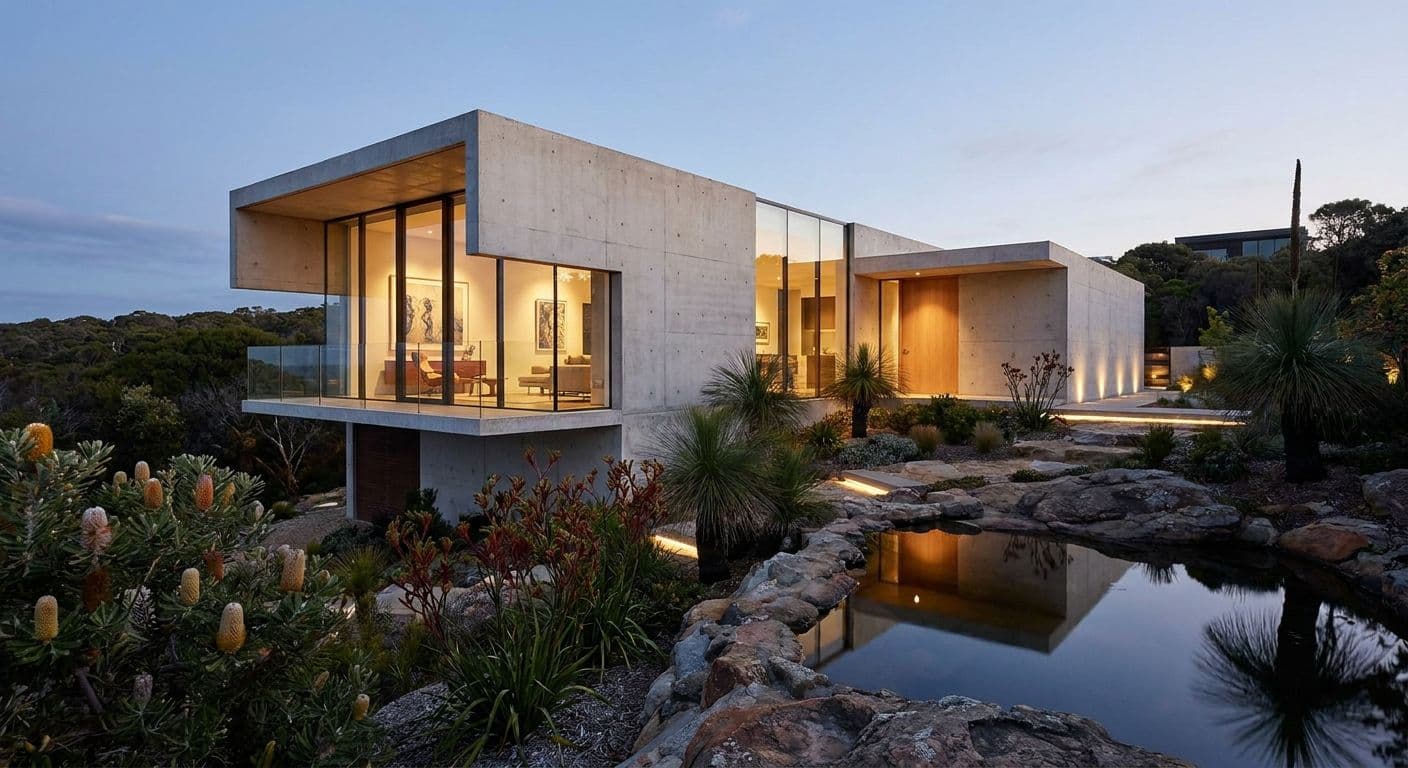
Discreet Defence: Integrating Physical Security into Luxury Residential Architecture

By Andre Lang · High-value home insurance specialist
Last updated 3 June 2026
In the upper echelons of residential design, the definition of luxury has undergone a profound transformation. In 2026, the hallmark of a truly prestigious home is no longer just its aesthetic grandeur or the rarity of its materials, but its ability to provide absolute sanctuary. However, the modern high-net-worth individual rejects the 'fortress' aesthetic. The challenge for contemporary architects and security consultants is 'Discreet Defence'—the art of embedding world-class physical security into the very fabric of a home’s architecture so that it remains entirely invisible to the casual observer.
The New Paradigm of Premium Protection
Gone are the days when visible cameras, spiked fences, and heavy steel bars were the standard for high-end security. In the Australian context, where outdoor living and transparency are central to the architectural identity, such features are seen as design failures. Discreet Defence focuses on proactive rather than reactive measures, ensuring that the architecture itself acts as the primary deterrent and barrier.
This holistic approach begins at the site planning stage and continues through to the selection of joinery, glazing, and landscaping. By integrating security at the conceptual level, architects can create environments that feel open, light, and connected to nature, while maintaining a level of protection that rivals a diplomatic facility.
CPTED: The Architectural Foundation of Invisible Security
Crime Prevention Through Environmental Design (CPTED) is a multi-disciplinary approach that uses the design of the physical environment to reduce the incidence and fear of crime. In luxury residential architecture, CPTED is applied through several key pillars:
- Natural Surveillance: Designing the home so that occupants can clearly see the perimeter and entry points without feeling exposed. This involves the strategic placement of windows and the use of 'one-way' reflective coatings that maintain views while preventing outsiders from seeing in.
- Territorial Reinforcement: Using design cues—such as changes in paving texture, low-profile stone walls, or lighting—to clearly demarcate private space from public space, psychologically deterring unauthorised entry.
- Natural Access Control: Guiding visitors through a specific, controlled path to the main entrance while naturally restricting access to more private zones of the property through the building's layout.
Strategic Landscaping: The 'Soft' Perimeter
Landscaping is perhaps the most effective tool in the discreet defence arsenal. In large Australian estates, the 'soft' perimeter can replace the need for unsightly high fencing. One of the most effective historical techniques currently seeing a modern resurgence is the 'ha-ha'.
The Modern Ha-ha and Terraced Barriers
A ha-ha is a recessed landscape design element that creates a vertical barrier while preserving an uninterrupted view of the landscape. From the house, the garden appears to flow seamlessly into the distance, but an intruder is met with a significant retaining wall and trench that is impossible to cross by vehicle and difficult to traverse by foot. Modern architects are using this technique to manage topographical changes in coastal and hillside properties, blending structural retaining walls with security needs.
Defensive Flora in the Australian Climate
Selection of vegetation is equally critical. In Australia, we can use hardy, native species that serve a dual purpose. Densely planted Grevilleas, Banksias, or Hakeas create a prickly, impenetrable thicket beneath vulnerable windows. These 'biological barriers' are far more aesthetically pleasing than rose bushes and require less maintenance in harsh conditions, while still providing a formidable physical deterrent.
Structural Reinforcement without Aesthetic Compromise
The core of a luxury home must be its most resilient feature. In 2026, material science has advanced to the point where high-level security components are indistinguishable from standard premium finishes.
Advanced Glazing: Transparency as a Shield
Windows are traditionally the weakest point in a building's envelope. However, modern luxury homes utilise multi-layered laminated security glass that can withstand sustained attacks from sledgehammers or even high-calibre ballistic impact. This glass is integrated into thermally broken aluminium or steel frames that are anchored deep into the building's structure. To the eye, these are simply beautiful, floor-to-ceiling windows that capture the light; in reality, they are impenetrable transparent shields.
Hardened Portals: The Concealed Steel Core
The main entry door is often an architectural focal point. Using bespoke timber or stone cladding, architects can hide a high-tensile steel core and a multi-point electromagnetic locking system. These doors, which can weigh several hundred kilograms, are engineered with heavy-duty hidden pivots, allowing them to swing with the lightness of a standard door while offering the protection of a vault. Biometric scanners—such as iris or palm-vein readers—can be recessed into stone facades or hidden within the door handle itself, eliminating the need for visible keyholes.
The Sanctuary Concept: Reimagining the Safe Room for 2026
The concept of a 'safe room' has evolved significantly. Rather than a cramped, windowless bunker in the basement, the modern safe room is often the entire master suite or 'Sanctuary Zone.' This area of the home is designed to be sealed off from the rest of the house in seconds.
These zones feature ballistic-rated walls (often using Kevlar panels behind the plasterboard), independent air filtration systems, and secure communication lines. By making the primary living area the safe haven, occupants do not have to move to a secondary location during a security event, which is critical for safety and psychological well-being.
Technological Symbiosis: Invisible Smart Systems
Technology acts as the 'nervous system' of discreet defence. In 2026, the most sophisticated systems are those you never see. Seismic sensors buried in the driveway can distinguish between the weight of an owner’s car and an unfamiliar vehicle. AI-driven perimeter cameras use edge computing to ignore local wildlife while instantly alerting the home’s automation system to human presence at the boundary.
Integrating these systems requires meticulous planning during the 'bones' of the build. Fibre-optic backbones are laid alongside traditional wiring to ensure zero-latency responses for automated defensive measures, such as the deployment of smoke screens or the automatic dead-bolting of internal 'zonal' doors.
Compliance and the Australian Regulatory Landscape
In Australia, integrating high-level security must also account for local regulations, particularly fire safety and Bushfire Attack Level (BAL) ratings. Many high-security glazing solutions and automatic shutters also provide excellent BAL-FZ (Flame Zone) protection. Architects can leverage these requirements to install security features that are ostensibly for bushfire protection, further disguising their primary defensive purpose.
Future-Proofing Asset Protection
As risks evolve, so too must the architecture. Designing for discreet defence is about more than just current threats; it is about creating a flexible framework. This includes building in recessed 'pockets' for future sensor upgrades and ensuring that the home’s power supply is redundant and off-grid capable. A truly secure home is one that can function autonomously for extended periods.
Ultimately, the goal of integrating physical security into luxury residential architecture is to create a space where the occupants can live without fear, surrounded by beauty. When security is executed with precision, it doesn't just protect the assets within the home—it protects the peace of mind of those who live there.
Frequently Asked Questions
Can I secure my luxury home without making it look like a fortress?
Absolutely. Through 'Discreet Defence' principles, security is integrated into the architecture itself. This includes using reinforced glazing that looks like standard glass, hidden steel cores in decorative doors, and landscaping that acts as a natural barrier (CPTED).
What is the most effective invisible security feature for large estates?
Landscaping and topography are the most effective. Techniques like 'ha-ha' walls, strategic terracing, and defensive planting create physical obstacles that are aesthetically pleasing but nearly impossible for intruders to traverse quickly.
Does integrating high-end security affect the resale value of an Australian property?
In the premium market, integrated security is a significant value-add. Buyers in 2026 prioritise peace of mind, and a home that offers 'invisible' protection is often more desirable than one with visible, aftermarket security additions.
How do safe rooms differ in modern luxury architecture compared to older designs?
Modern safe rooms, or 'sanctuary suites,' are no longer windowless concrete bunkers. They are often the primary master suite, hardened with ballistic glazing, independent ventilation, and reinforced walls, allowing occupants to remain comfortable while secure.
Related insights
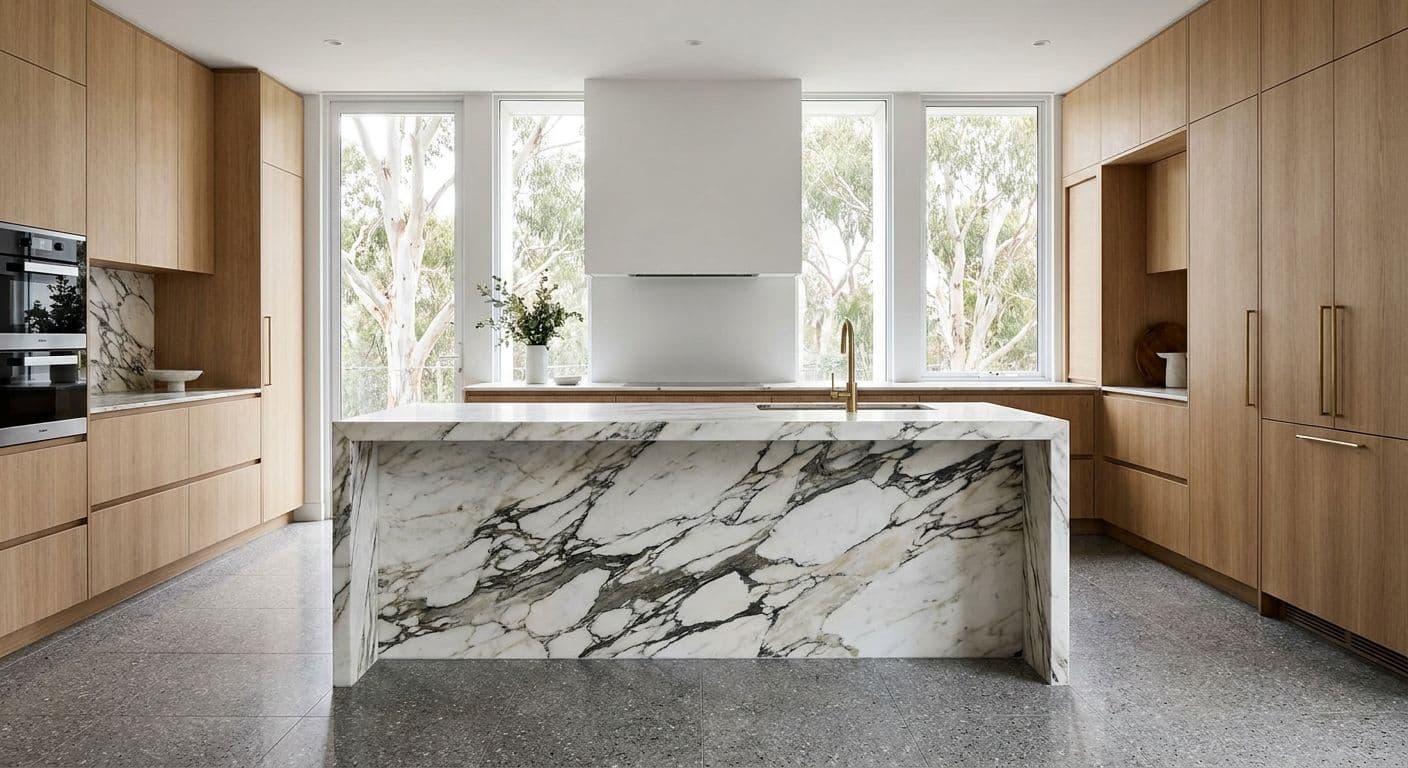
Stone, Timber, and Terrazzo: The True Cost of Replacing Premium Finishes
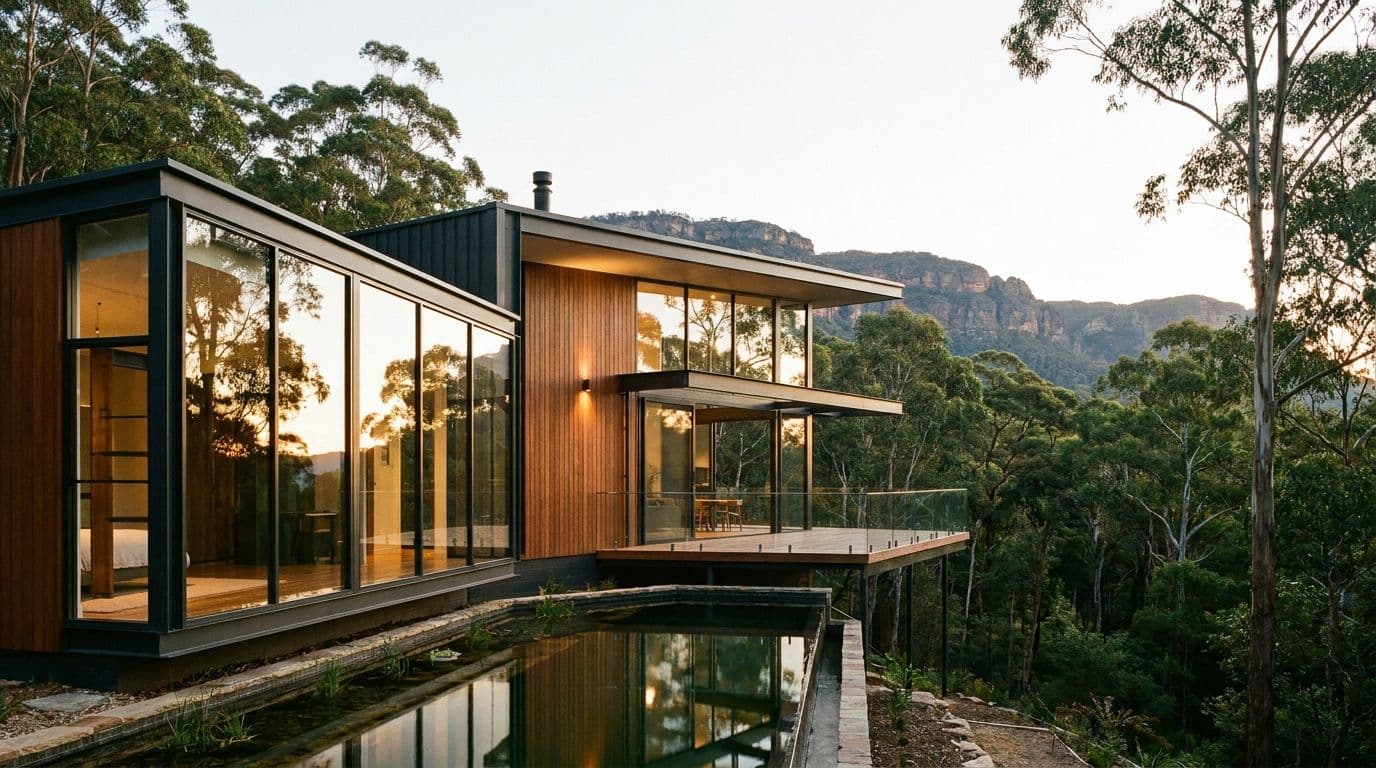
Fire-Resistant Elegance: Marrying BAL-40 Compliance with Premium Architectural Design
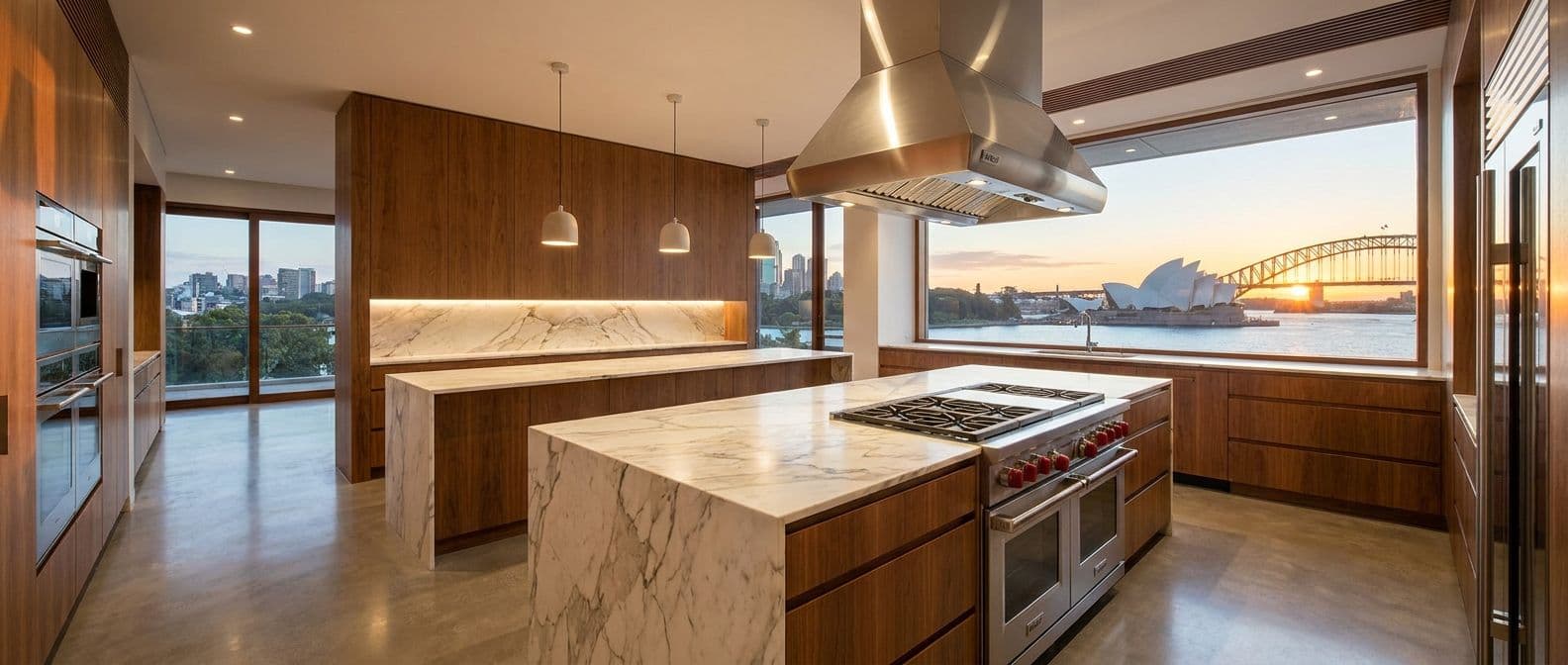
The Gourmet Heart: Protecting Professional-Grade Kitchens and Culinary Assets
Explore our cover

Andre LangHigh-value home insurance specialist
Andre Lang is a high-value home insurance specialist who advises owners of architecturally significant and high-net-worth Australian homes on protecting their property, fine art, and collections.