The Wellness Suite: Insuring Bespoke Private Spas, Saunas, and Recovery Zones

By Andre Lang · High-value home insurance specialist
Last updated 18 May 2026
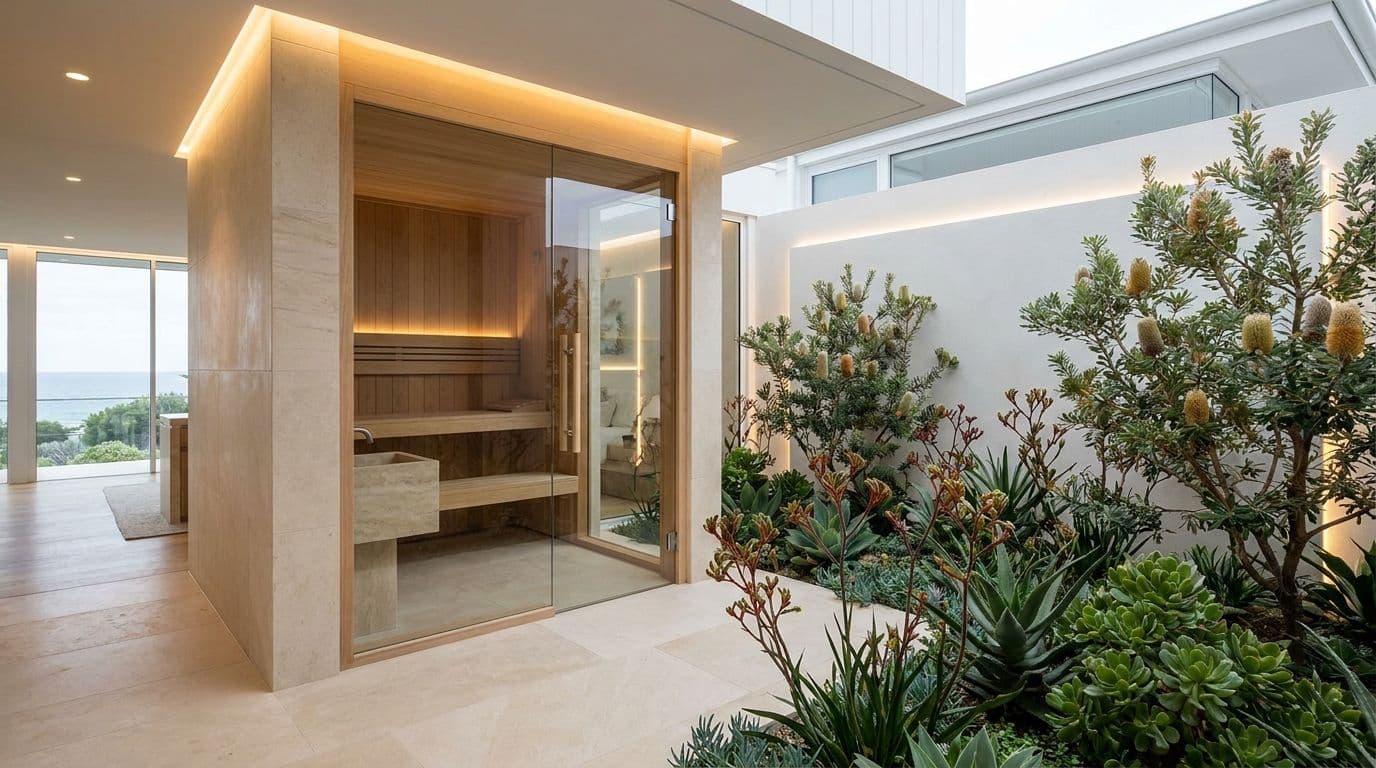
The Australian luxury residential landscape has undergone a significant transformation. Once, a home gym was the pinnacle of domestic fitness; today, the affluent homeowner demands a holistic environment. The 'Wellness Suite' has emerged as a non-negotiable feature in high-end architecture across Sydney, Melbourne, and Perth. These zones are no longer mere bathrooms with a 'spa bath'—they are sophisticated, bespoke recovery sanctuaries comprising traditional and infrared saunas, cryotherapy chambers, cold plunge pools, and sensory deprivation tanks.
As we move into 2026, these installations represent substantial financial investments, often costing hundreds of thousands of dollars to design, engineer, and install. However, the complexity of these spaces introduces unique risks that traditional home insurance products are often ill-equipped to handle. Protecting a bespoke wellness suite requires a nuanced understanding of asset valuation, risk management, and specialist insurance coverage.
The Anatomy of a Modern Wellness Suite
A bespoke wellness zone is far more than the sum of its parts. It is an integrated system of high-value materials and complex technology. To insure these spaces correctly, one must first categorise the assets involved:
- Thermal Zones: Traditional Finnish saunas, infrared cabins, and custom steam rooms featuring imported timber (such as Western Red Cedar or Hemlock) and precision-engineered heaters.
- Hydrotherapy Assets: Bespoke spas, hydrotherapy jets, and cold plunge pools with integrated filtration and cooling systems.
- Advanced Recovery Tech: Cryotherapy chambers requiring liquid nitrogen or electric cooling, and sensory deprivation tanks containing high concentrations of Epsom salts.
- Architectural Integration: Specialised ventilation (HVAC), waterproofed lighting, custom stonework, and integrated smart-home control systems.
The Risk Landscape: Why Wellness Suites are Unique
Insuring a wellness suite is not just about the cost of replacement; it is about the specific risks inherent in high-heat and high-moisture environments. From a risk management perspective, these areas are among the most volatile in a luxury home.
Water Damage and Seepage
Water is the primary enemy of the luxury home. In a wellness suite, the risk is multi-faceted. A burst pipe in a steam room or a leak in a cold plunge pool can cause catastrophic damage to the surrounding structure. Furthermore, many insurance policies contain exclusions for 'gradual damage' or 'seepage.' If a bespoke spa develops a slow leak that damages the home's foundations over six months, a standard policy may deny the claim. High-value asset protection policies must be tailored to include 'accidental damage' and broader water-related inclusions.
Thermal and Electrical Risks
Saunas, particularly traditional electric ones, operate at extremely high temperatures. Faulty wiring or improper installation can lead to fires that spread rapidly through timber-clad walls. In 2026, the prevalence of infrared technology adds another layer of complexity, as these systems rely on high-output carbon or ceramic heaters. Ensuring that all electrical components are Australian-standard compliant and installed by certified specialists is a prerequisite for valid insurance coverage.
Corrosion and Chemical Exposure
Sensory deprivation tanks and spas use high levels of salt and chemicals. Without proper ventilation and moisture barriers, salt air can corrode expensive electronics, structural steel, and fine finishes throughout the home. This 'hidden' damage is often excluded from basic policies, making specialist risk assessment vital.
Ensuring Accurate Valuation for Bespoke Assets
A common mistake among owners of luxury homes is under-insuring their wellness suites. A 'standard' home valuation often overlooks the premium costs associated with bespoke craftsmanship. For example, a custom-carved marble cold plunge pool cannot be replaced with an off-the-shelf alternative. In the event of a total loss, if your sum insured is based on standard construction costs, you may face a significant out-of-pocket shortfall.
To protect your investment, we recommend the following steps:
- Obtain an Itemised Costing: Keep all contracts and invoices from your wellness suite designer and builder.
- Professional Valuation: Engage a valuer who understands the high-end residential market and the specific costs of premium wellness tech.
- Specify as High-Value Items: Ensure your insurer lists the wellness suite as a 'specified' asset if its value exceeds the standard policy limits for fixtures and fittings.
Liability: Protecting Guests and Staff
Wellness suites are not just about asset protection; they are also about liability. A private spa or cryotherapy chamber is a high-risk environment for injury. Whether it is a slip-and-fall on wet limestone or a more serious medical incident in a sauna, the homeowner's liability is significant. This is especially true if the home is occasionally used for hosting guests or if domestic staff are responsible for maintaining the facilities. A comprehensive policy must include robust public liability coverage that specifically encompasses these high-risk wellness zones.
Risk Mitigation Strategies for 2026
The best insurance claim is the one that never needs to be made. Implementing modern risk management strategies not only protects your home but can also help in negotiating more favourable insurance premiums. In 2026, technology plays a pivotal role in this defence.
- Smart Leak Detection: Install IoT-enabled water sensors under spa pumps, steam generators, and plunge pools that automatically shut off the water supply and alert your phone upon detecting moisture.
- Thermal Monitoring: Use smart thermostats in saunas that provide automatic cut-off if temperatures exceed safe levels or if the unit is left on for an extended period.
- Specialised HVAC Maintenance: Ensure your ventilation system is serviced bi-annually to prevent the build-up of humidity and mould in wall cavities.
- Regular Safety Audits: Conduct annual inspections of all electrical and plumbing components by qualified professionals.
Conclusion: A Bespoke Approach to Protection
The creation of a private wellness suite is an investment in your health and lifestyle. However, the unique nature of these spaces means they cannot be treated like any other room in the house. From the choice of timber in your sauna to the precision of your cryo-chamber's ventilation, every detail contributes to the risk profile of your property.
As these sanctuaries become more complex, the need for specialised insurance becomes more acute. By combining accurate valuations, rigorous maintenance, and a bespoke insurance policy that recognises the value and the risks of your wellness assets, you can ensure that your path to recovery remains stress-free. In the world of high-value assets, proactive protection is the ultimate luxury.
Frequently Asked Questions
Is my custom sauna covered under a standard home insurance policy?
While some basic policies may cover outbuildings or general fixtures, bespoke saunas—especially those with high-value infrared technology or custom carpentry—often exceed standard limits. It is essential to list these as specified assets to ensure full replacement value is covered.
Does insurance cover damage caused by slow leaks in a home spa?
Most standard policies exclude coverage for 'gradual damage' caused by slow leaks over time. To protect your investment, you should install smart leak detection systems and opt for a high-value home policy that may offer broader water damage inclusions.
Are cryotherapy chambers and sensory deprivation tanks insurable at home?
Yes, but they are considered high-risk assets due to the specialised gases or salt-water components used. They must be professionally installed and often require a separate valuation and specific endorsement on your asset protection policy.
How often should I have my wellness suite re-valued for insurance?
Given the rising costs of specialist labour and imported materials in Australia, we recommend a professional valuation every two years to ensure your sum insured reflects the current cost of rebuilding a bespoke facility.
Related insights
Explore our cover

Andre LangHigh-value home insurance specialist
Andre Lang is a high-value home insurance specialist who advises owners of architecturally significant and high-net-worth Australian homes on protecting their property, fine art, and collections.