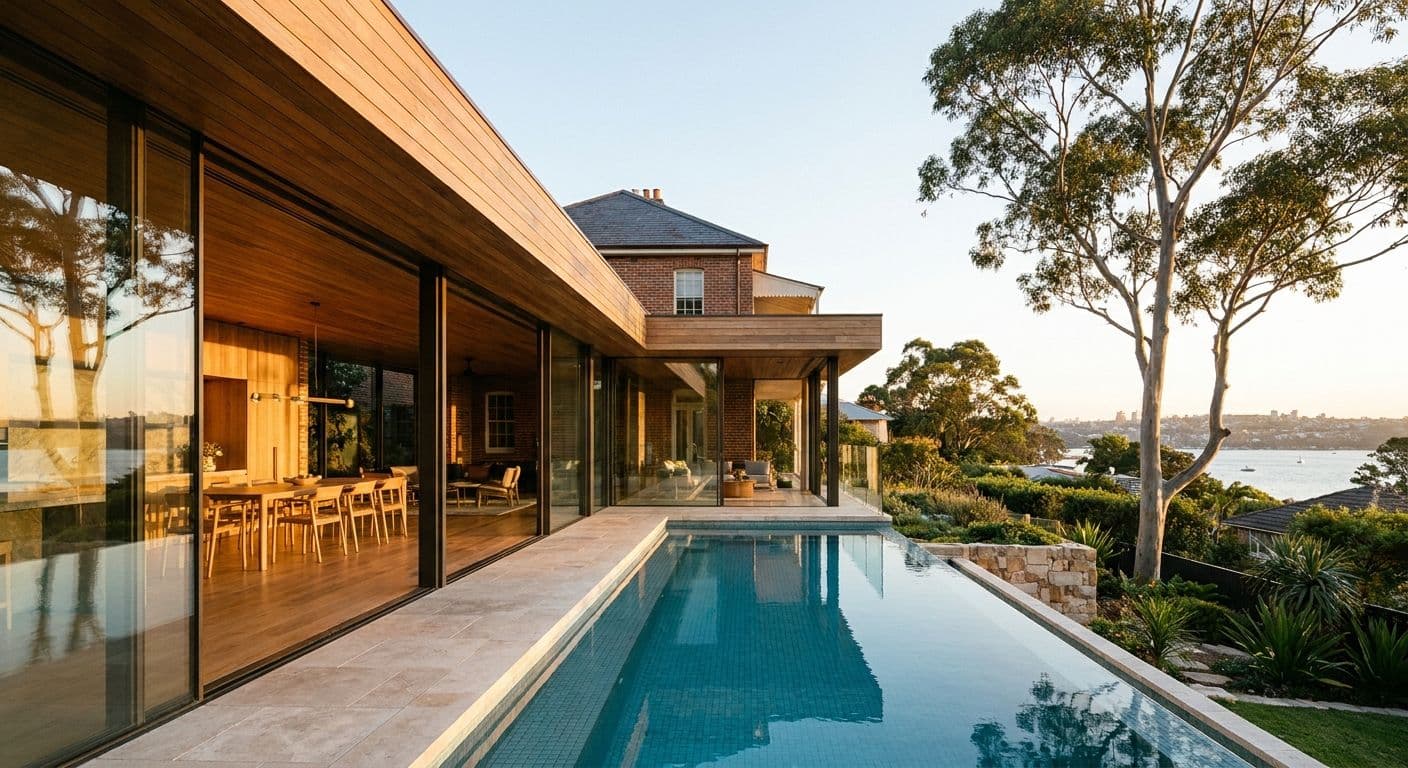
Renovating Excellence: Protecting Your Equity During Major Home Extensions

By Andre Lang · High-value home insurance specialist
Last updated 15 June 2026
In the evolving Australian property landscape of 2026, the mantra of 'improve, don't move' has shifted from a trend to a sophisticated financial strategy. For owners of premium properties, a major extension represents more than just additional square metreage; it is a significant capital investment that requires rigorous protection. As construction costs stabilise but remain high, the margin for error has narrowed, making the preservation of equity during a build a paramount concern for discerning homeowners.
The Strategic Philosophy of Equity Protection
Equity protection during a major renovation is the practice of ensuring that every dollar spent translates into at least one dollar of market value—ideally more. This requires a dual focus: managing the physical risks of the construction process and the financial risks of market fluctuations. In the current market, excellence is defined not just by the aesthetic outcome, but by the financial health of the asset upon completion.
To achieve this, homeowners must approach their extension with the mindset of a developer. This involves rigorous due diligence, from initial feasibility studies to the final 'as-built' valuation. Protecting your equity starts long before the first sod is turned; it begins with the selection of a team that understands the intersection of high-end architecture and Australian building regulations.
Mitigating Financial Risk: Contracts and Costings
One of the most significant threats to equity is 'variation creep.' In 2026, the Australian building industry has moved toward more transparent, fixed-price contracts for major works, yet many homeowners still find themselves exposed. To protect your investment, consider the following contractual safeguards:
- Detailed Specifications: Ensure every fixture, finish, and material is specified in the contract to avoid 'provisional sums' which can lead to budget blowouts.
- Progress Payment Schedules: Align payments strictly with completed stages of work, verified by an independent building consultant or quantity surveyor.
- Liquidated Damages: Include a clause that compensates you if the project runs over time without a valid extension of time claim.
Professional quantity surveyors are increasingly utilised by premium homeowners to provide an independent cost estimate before signing a builder's contract. This small upfront investment can save hundreds of thousands of dollars in over-capitalisation by aligning the build cost with realistic market appraisals.
The Insurance Gap: Protecting the Existing Asset
A common misconception among Australian homeowners is that their existing building and contents insurance will cover them during a major extension. In reality, most standard policies have exclusion clauses for 'major works,' which are typically defined as renovations exceeding a certain value (often $50,000 to $100,000) or involving structural changes.
To protect your equity, you must ensure 'Construction Works and Public Liability' insurance is in place. This policy should cover the new works, the existing structure, and any liability for injury or damage to third parties. If you are vacating the property during the build, you also need to ensure the policy covers an unoccupied dwelling, as many insurers consider a home high-risk if it is empty for more than 60 days.
Design for Resilience and Future Value
Excellence in renovation is not just about following current trends; it's about anticipating future demand. In 2026, the Australian market places a premium on homes that demonstrate high energy efficiency and technological integration. Equity is best protected by investing in features that reduce long-term operational costs and improve liveability.
Sustainable Sophistication
Sustainability has moved from a niche requirement to a core component of property value. High-performance glazing, solar arrays with battery storage, and passive solar design are no longer optional for major extensions. These features not only future-proof the home against rising energy costs but also appeal to the growing demographic of environmentally conscious luxury buyers.
Seamless Smart Home Integration
True smart home technology is invisible. During a major extension, the cabling and infrastructure for advanced security, automated lighting, and climate control should be integrated into the fabric of the building. Retrospective installation is significantly more expensive and less effective, potentially detracting from the home's finish and value.
Managing Structural and Site Risks
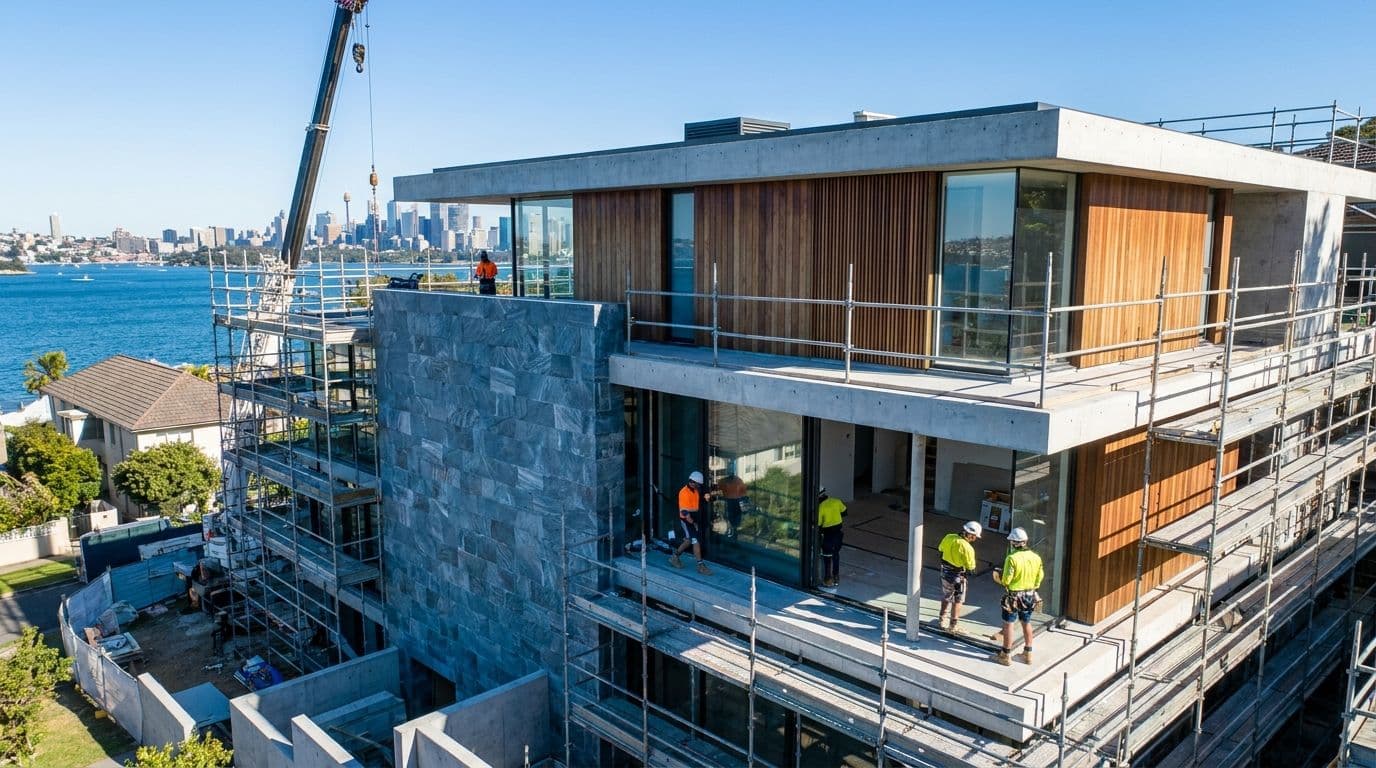
Major extensions often involve complex structural works, such as basement excavations or second-storey additions. These carry inherent risks to the stability of the original dwelling. Protecting your equity means ensuring that your builder has a robust 'protection of adjoining property' plan and that structural engineers are present at critical stages of the build.
Furthermore, in the Australian context, managing geotechnical risks is vital. Whether it is the reactive clays of Melbourne or the sandstone of Sydney, soil movement can lead to costly remedial works. A comprehensive soil report and engineered foundation plan are non-negotiable for any extension intended to stand the test of time.
The Importance of Regulatory Compliance
Nothing erodes equity faster than unapproved works. In 2026, local councils and state planning authorities have increased their surveillance of residential construction. Ensuring that your extension has the correct Development Application (DA) or Complying Development Certificate (CDC) is only the first step. You must also ensure that all 'Critical Stage Inspections' are carried out by the certifier and that a final Occupation Certificate (OC) is issued.
An OC is a vital document for any future sale. Without it, many lenders will refuse to provide finance to potential buyers, severely limiting your market and devaluing your asset. Keeping a meticulous 'Home Owner's Manual' with all warranties, certificates, and plans is a hallmark of professional-grade property management.
Conclusion: The Legacy of Excellence
A major home extension is a transformative event that can significantly elevate your lifestyle and your net worth. However, the path to 'Renovating Excellence' is paved with strategic decisions and rigorous risk management. By treating the project as a major financial asset, securing the right insurance, and focusing on high-value, sustainable design, you ensure that your equity is not just protected, but enhanced.
In the Australian property market of 2026, those who prioritise quality over speed and due diligence over shortcuts will be the ones who reap the rewards of their investment. Excellence is not an accident; it is the result of high intention, sincere effort, and intelligent execution.
Frequently Asked Questions
What is the biggest risk to equity during a major extension in Australia?
The primary risk is over-capitalisation—spending more on the renovation than the value it adds to the property. In 2026, this is mitigated by thorough suburb-specific market research and ensuring the extension appeals to the target demographic in your specific Australian locality.
How do I protect myself against builder insolvency?
Utilise a standard industry contract (like HIA or Master Builders), ensure you have Domestic Building Insurance (or equivalent in your state) before work begins, and never pay more than the legislated maximum deposit or for work that hasn't been completed.
Does my standard home insurance cover major extensions?
Typically, no. Most standard policies exclude major works. You must notify your insurer and often secure a specific 'Construction Works' policy to protect both the existing structure and the new build during the extension phase.
What design features add the most value in 2026?
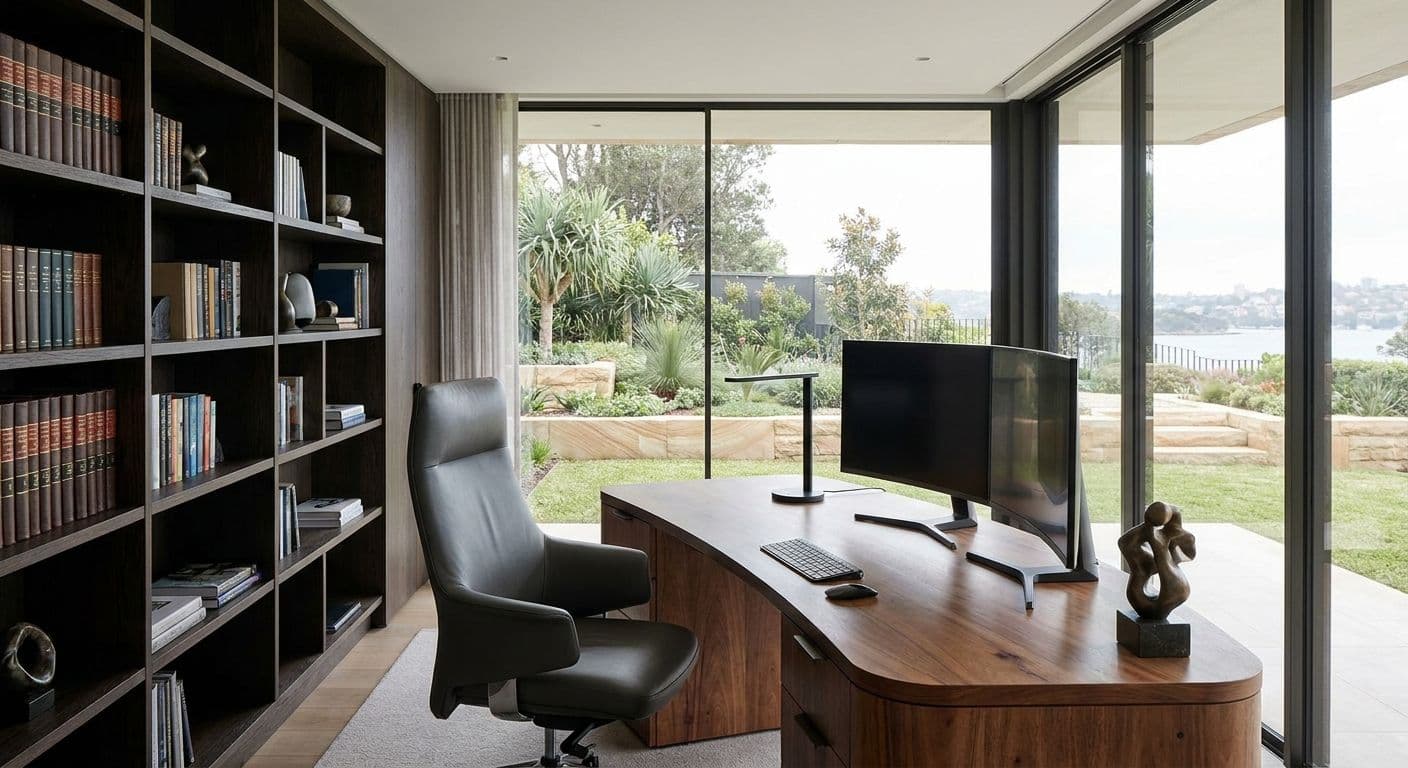
Sustainable 'passive house' principles, integrated smart home technology, multi-functional home offices, and seamless indoor-outdoor living spaces remain the highest value-adders in the Australian premium market.
Related insights
Explore our cover

Andre LangHigh-value home insurance specialist
Andre Lang is a high-value home insurance specialist who advises owners of architecturally significant and high-net-worth Australian homes on protecting their property, fine art, and collections.