The Curated Interior: Valuation Strategies for Designer Furniture and Bespoke Fit-Outs

By Andre Lang · High-value home insurance specialist
Last updated 26 May 2026
For the discerning Australian homeowner, an interior is more than a living space; it is a meticulously curated collection of functional art and architectural craftsmanship. In 2026, the value of high-end designer furniture and bespoke fit-outs has reached new heights, driven by a global appreciation for artisanal quality and the increasing scarcity of premium materials. However, as these assets appreciate in value and complexity, the strategies required to value and protect them must also evolve.
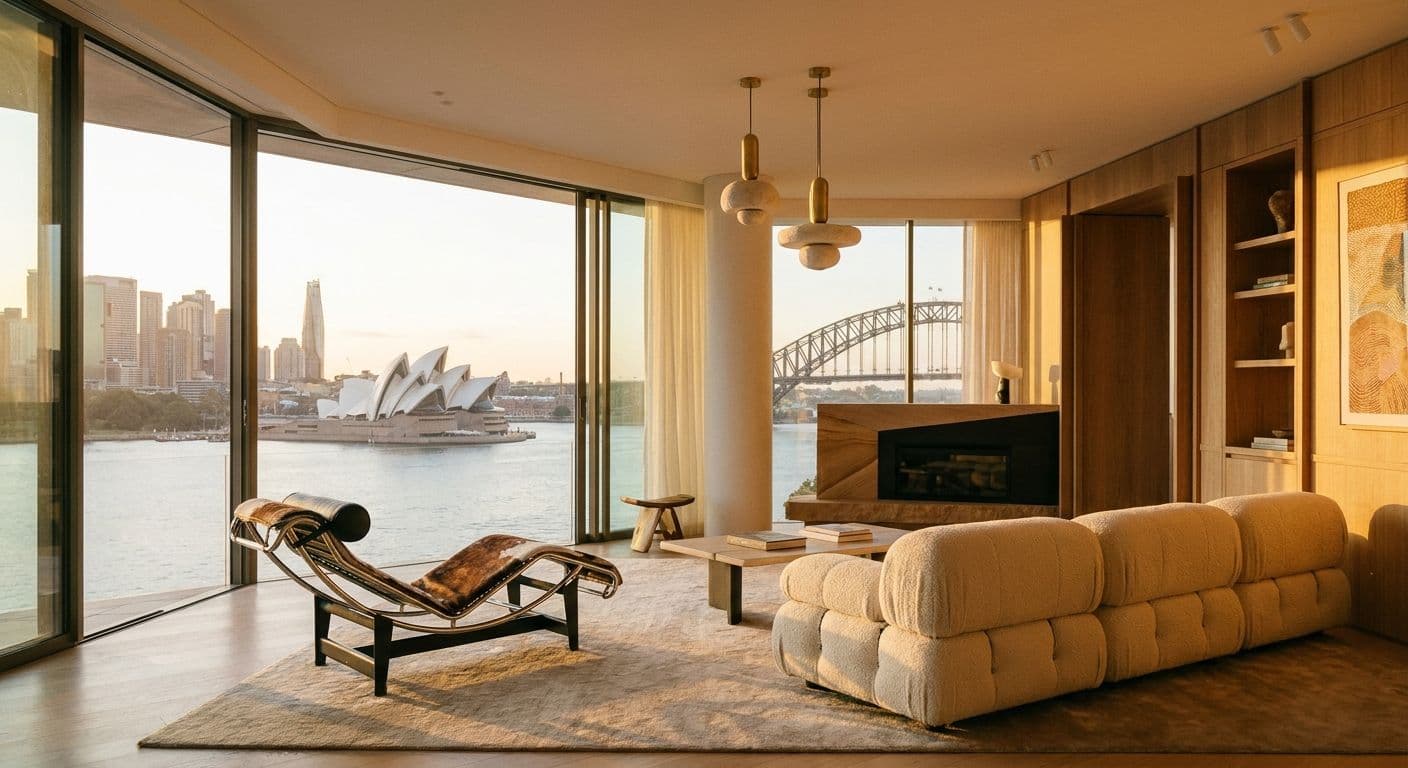
Understanding the distinction between a 'furnished home' and a 'curated interior' is the first step toward effective asset management. Whether it is an original Eames lounge chair, a custom-designed kitchen by a leading Melbourne studio, or hand-finished joinery in a Sydney harbour-side estate, these elements require a specialised approach to valuation that transcends traditional household accounting.
Defining the Curated Interior: Assets Beyond Utility
A curated interior is defined by two primary asset classes: designer furniture (loose assets) and bespoke fit-outs (fixed assets). Both contribute significantly to the property’s total value but are treated differently for insurance and tax purposes.
- Designer Furniture: Iconic pieces from brands like Cassina, B&B Italia, Minotti, and local luminaries like Jardan. These pieces often retain or increase in value over time, particularly if they are limited editions or feature rare finishes.
- Bespoke Fit-Outs: Custom-designed cabinetry, integrated lighting systems, architectural hardware, and permanent wall treatments. These are often the 'silent' high-value items that are undervalued because they are perceived as part of the building's shell.
The Valuation Gap: Retail vs. Replacement in 2026
One of the most common mistakes in managing a high-end interior is relying on the original purchase price for valuation. In the Australian context, several factors contribute to a significant 'valuation gap' between what was paid and what it would cost to replace the item today.
Firstly, the 'Australian tax'—a combination of our geographic isolation, shipping costs, and import duties—means that European or American designer furniture often costs 30-50% more to land in Australia than its local retail price in its country of origin. Furthermore, lead times for bespoke items have increased, with some pieces taking six to twelve months to arrive. If a total loss occurs, the replacement value must include these logistical costs and the potential for price hikes during the wait period.
Valuation Strategies for Designer Furniture
To ensure your furniture collection is accurately valued, a multi-faceted approach is required. It is no longer enough to simply keep receipts; you must demonstrate provenance and condition.
- Authentication and Provenance: Ensure every major piece has its certificate of authenticity. For vintage icons, secondary market records from reputable auction houses like Leonard Joel or Sotheby's can provide a baseline for appreciation.
- Professional Appraisals: Engage a valuer who specialises in 20th-century and contemporary design. They understand the nuances between a licensed reproduction and an original production run, which can mean a difference of tens of thousands of dollars.
- Digital Inventory Management: Maintain a cloud-based registry including high-resolution photos of serial numbers, labels, and the item's condition. This is invaluable for both insurance claims and future estate planning.
Bespoke Fit-Outs: The Fixed Asset Challenge
Bespoke fit-outs occupy a grey area in property valuation. Because they are physically attached to the property, they are often bundled into the general 'building' sum insured. However, a standard rebuild cost-per-square-metre rarely accounts for the level of detail found in a luxury home.
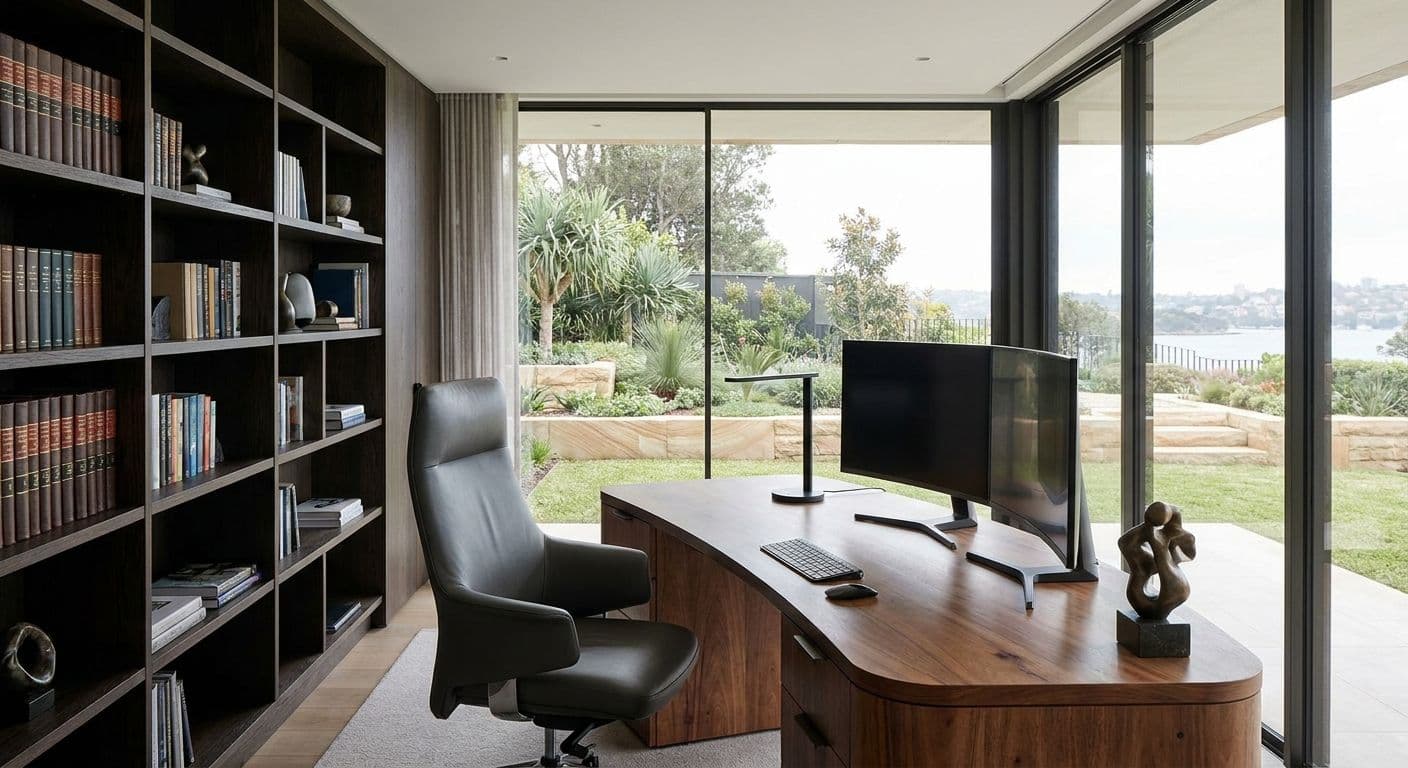
Consider a custom-milled library wall in Tasmanian Blackwood or a kitchen island carved from a single block of Calacatta marble. These are not merely 'kitchens' or 'shelving'; they are architectural statements. When valuing these, you must consider:
- Craftsmanship Costs: The hourly rate for a master cabinetmaker is significantly higher than that of a standard installer.
- Material Rarity: If a specific stone quarry has closed or a timber species is no longer commercially available, the 'replacement' might require an even more expensive alternative.
- Integration Technology: Modern fit-outs often hide complex smart home wiring. The cost to re-integrate these systems into new joinery is a critical component of the total value.
Mitigating Risks to Your Interior Assets
In the Australian climate, high-value interiors face unique environmental threats. From the harsh UV levels in Queensland to the humidity of the New South Wales coast, physical degradation can silently erode the value of your assets.
Climate control is essential for preventing the warping of rare timbers and the cracking of leather. Furthermore, UV-filtering window films are a non-negotiable for rooms housing iconic textiles or sensitive finishes. From a risk management perspective, the security of these assets is equally important. While designer furniture is rarely 'stolen' in the traditional sense due to its size, accidental damage during social events or professional cleaning is a much higher frequency risk.
The Importance of Agreed Value Coverage
For owners of curated interiors, 'Market Value' insurance policies are often insufficient. Market value accounts for depreciation, meaning that after five years, your $20,000 Italian sofa might only be valued at $8,000 in the eyes of a standard insurer. To replace it with the same brand-new model, you would be significantly out of pocket.
An 'Agreed Value' policy is the preferred strategy for premium assets. This allows the homeowner and the insurer to agree on a fixed replacement cost based on a professional appraisal. This ensures that in the event of a total loss, the curated aesthetic of the home can be restored without compromise.
Conclusion: A Proactive Approach to Interior Wealth
As we move further into 2026, the intersection of interior design and asset management will continue to tighten. A curated interior is a significant financial investment that requires the same level of rigour as a luxury vehicle or a fine art collection. By implementing professional valuation strategies, maintaining impeccable documentation, and choosing the right insurance framework, Australian homeowners can ensure their designer legacy remains protected for generations.
Frequently Asked Questions
How often should I update the valuation of my designer furniture collection?
In the current Australian market, we recommend a professional valuation every three to five years. However, if you acquire significant iconic pieces or if there is a major shift in global luxury furniture prices (often driven by material costs or designer scarcity), an earlier review may be necessary to ensure your coverage remains adequate.
Does my standard home insurance cover bespoke joinery and fit-outs?
Standard policies often classify bespoke joinery as part of the 'building' rather than 'contents'. However, they frequently lack the sub-limits required to replace high-specification artisan work. It is crucial to have these items specifically noted and valued as 'bespoke architectural features' to ensure like-for-like replacement in the event of a claim.
What documentation is required to prove the value of a designer furniture piece?
Essential documentation includes the original tax invoice, a certificate of authenticity from the manufacturer (e.g., Herman Miller or Vitra), high-resolution photographs of the piece and its manufacturer's marks, and any relevant provenance if the piece has historical significance.
Why is 'replacement value' more important than 'market value' for curated interiors?
Market value represents what you could sell an item for today, which accounts for depreciation. Replacement value covers the cost of purchasing a brand-new equivalent piece at current retail prices, including the 'Australian tax' of shipping, GST, and installation, which is vital for maintaining the integrity of your interior design.
Related insights
Explore our cover

Andre LangHigh-value home insurance specialist
Andre Lang is a high-value home insurance specialist who advises owners of architecturally significant and high-net-worth Australian homes on protecting their property, fine art, and collections.