The Resilience Premium: Protecting Cliffside and Waterfront Estates from Coastal Erosion

By Andre Lang · High-value home insurance specialist
Last updated 12 April 2026
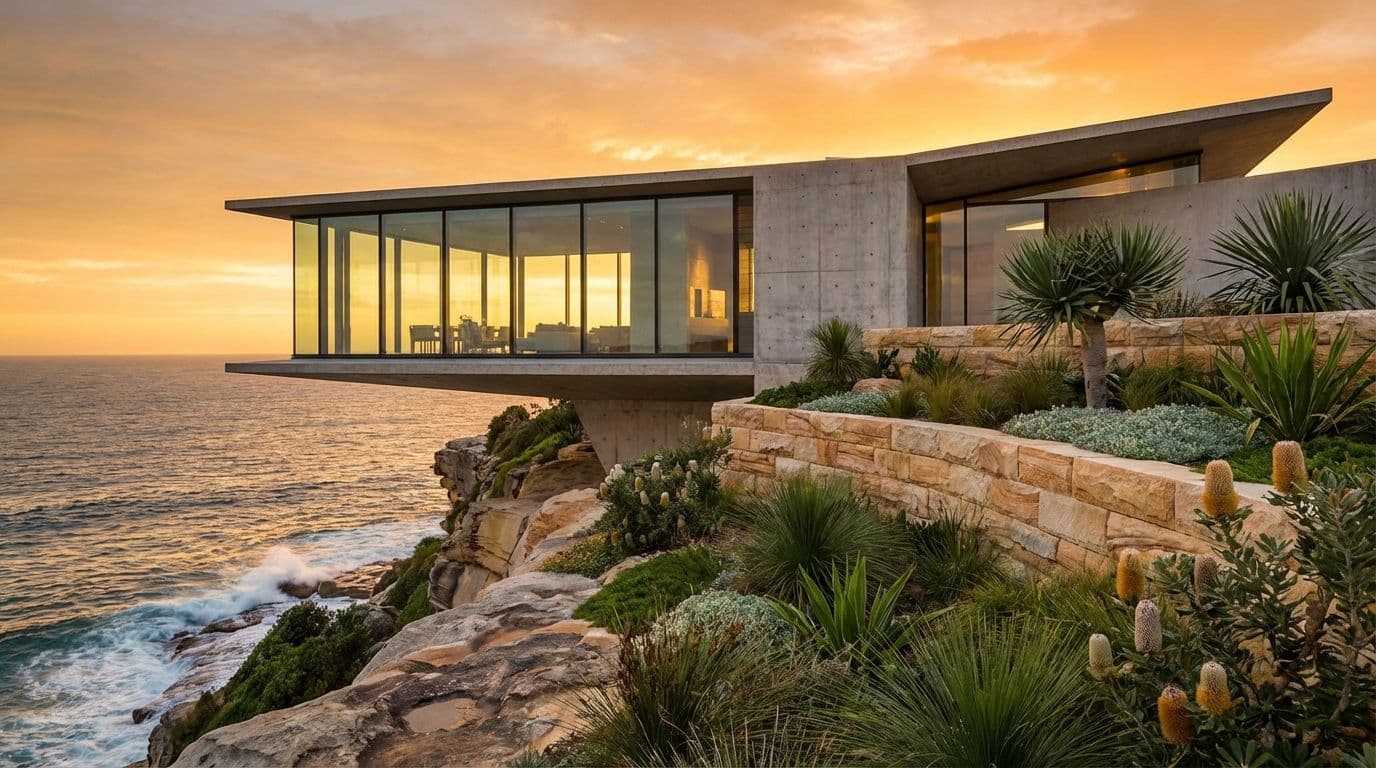
For the Australian elite, a waterfront address has long been the ultimate symbol of success. From the iconic sandstone cliffs of Sydney’s Eastern Suburbs to the rugged limestone bluffs of the Mornington Peninsula, the proximity to the ocean offers an unparalleled lifestyle. However, in 2026, the market is undergoing a fundamental shift. The prestige of a coastal view is no longer sufficient to guarantee capital appreciation; instead, a new metric has emerged: the Resilience Premium.
The Resilience Premium represents the measurable value added to a property through proactive climate adaptation and robust coastal engineering. As sea levels rise and storm surges become more frequent, the gap between 'vulnerable' and 'resilient' estates is widening. Protecting these blue-chip assets requires a sophisticated blend of geotechnical expertise, legal navigation, and forward-thinking architectural design.
Understanding the Geomorphology of Risk
Not all coastal properties face the same threats. Effective asset protection begins with a granular understanding of the specific geological conditions of the site. In Australia, coastal estates typically fall into two categories of risk, each requiring a bespoke defence strategy.
- Soft-Coast Estates: Located on sandy shorelines or dunes (common in South East Queensland and Northern NSW), these properties are susceptible to rapid 'recession' events during East Coast Lows. Protection here often involves beach nourishment and large-scale revetment walls.
- Hard-Coast Estates: Perched on rocky headlands or cliffs. While they seem more stable, they face risks of 'mass wasting' or rockfalls caused by hydraulic pressure within rock fractures. Stabilisation involves complex chemical grouting and structural pinning.
Managing these risks is no longer a matter of reactive repair. It is a continuous process of monitoring and maintenance that ensures the land beneath the luxury structure remains as permanent as the structure itself.
The Engineering Frontier: Defending the Perimeter
Modern coastal defence has moved beyond the unsightly concrete bunkers of the past. Today’s solutions are designed to be invisible or to enhance the aesthetic value of the estate while providing world-class protection.
Hybrid Protective Structures
High-net-worth owners are increasingly investing in hybrid seawalls. These structures use a core of reinforced concrete or large basalt armour stones, which are then concealed beneath a layer of 'living' shoreline. By using native salt-tolerant species and terraced stone masonry, the defence looks like a natural extension of the landscape, satisfying both council aesthetic requirements and rigorous safety standards.
Advanced Drainage and Hydrostatic Management
Often, the greatest threat to a cliffside home isn't the ocean below, but the water from above. Excessive groundwater from heavy rainfall can lubricate fault lines in the rock or saturate soil, leading to landslides. The 'Resilience Premium' is often found in the unseen: sophisticated sub-surface drainage systems that divert water away from the cliff edge, maintaining the integrity of the bluff.
The 2026 Regulatory and Insurance Landscape
The landscape of coastal property ownership has been irrevocably changed by new Australian climate disclosure standards. Lenders and insurers now utilise high-resolution LIDAR data and predictive AI modelling to assess the 50-year viability of coastal land.
In 2026, insurance for waterfront estates has become highly segmented. Standard policies often exclude 'gradual sea action.' To protect an asset fully, owners must demonstrate proactive risk management. By securing a 'Resilience Certification' from a qualified coastal engineer, owners can not only reduce their annual premiums but also ensure the long-term transferability of the property's title without 'red-flag' warnings on section 149 certificates (or state equivalents).
Due Diligence for the Discerning Buyer
When acquiring a coastal estate, the traditional building inspection is insufficient. A comprehensive due diligence process for high-value waterfront assets should include:
- Geotechnical Site Assessment: A professional review of the underlying strata and history of movement.
- Coastal Hazard Modelling: Assessing the projected shoreline position for 2050 and 2100 based on the latest IPCC data.
- Review of Existing Defences: Determining if current seawalls or retaining structures are 'engineered' or simply 'ad-hoc' piles of stone, which may carry significant future liability.
- Legal Encroachment Audit: Ensuring that any existing coastal defences are legally permitted and located within the property boundary.
Investing in the Future: The Smart Home Evolution
Resilience is also becoming digital. The most advanced Australian estates in 2026 are equipped with tiltmeters and piezometers—sensors embedded in the ground that monitor soil moisture and microscopic ground movement in real-time. These systems provide early warning of potential instability, allowing for minor remedial work before a major failure occurs.
This data-driven approach to asset protection is a key component of the Resilience Premium. It transforms the property from a passive asset at the mercy of the elements into an intelligently managed fortress that provides both physical safety and financial security.
Conclusion: A New Standard of Luxury
The allure of the ocean will never fade, but the way we inhabit its edge must evolve. The Resilience Premium is not merely a cost of ownership; it is a strategic investment in the longevity of one's legacy. For the sophisticated property owner, protecting a cliffside or waterfront estate is no longer just about maintaining a beautiful facade—it is about ensuring the very ground it stands on remains a bastion of value for generations to come.
In the volatile climate of the 21st century, true luxury is the peace of mind that comes from superior engineering, rigorous due diligence, and an unwavering commitment to resilience.
Frequently Asked Questions
Does standard home insurance in Australia cover coastal erosion?
Generally, no. Most standard high-end home insurance policies exclude 'actions of the sea,' which includes gradual erosion and subsidence. Protection usually requires specialist risk management strategies or specific endorsements that focus on 'storm surge' rather than slow-onset erosion.
What is the most effective way to stabilise a cliffside property?
A multi-layered approach is best, involving geotechnical soil nailing, deep-rooted native vegetation to manage groundwater, and professionally engineered drainage systems to prevent surface runoff from destabilising the cliff face.
How does the 'Resilience Premium' affect resale value?
Properties with documented, engineered coastal defences and recent geotechnical certifications are increasingly commanding a 10-15% premium over unprotected neighbours. Buyers in 2026 are more risk-aware and value peace of mind over aesthetics alone.
Related insights
Explore our cover

Andre LangHigh-value home insurance specialist
Andre Lang is a high-value home insurance specialist who advises owners of architecturally significant and high-net-worth Australian homes on protecting their property, fine art, and collections.